Baltic Sea 2022
Day 12: Monday 06 June 2022
Kiruna, Sweden – Luleå
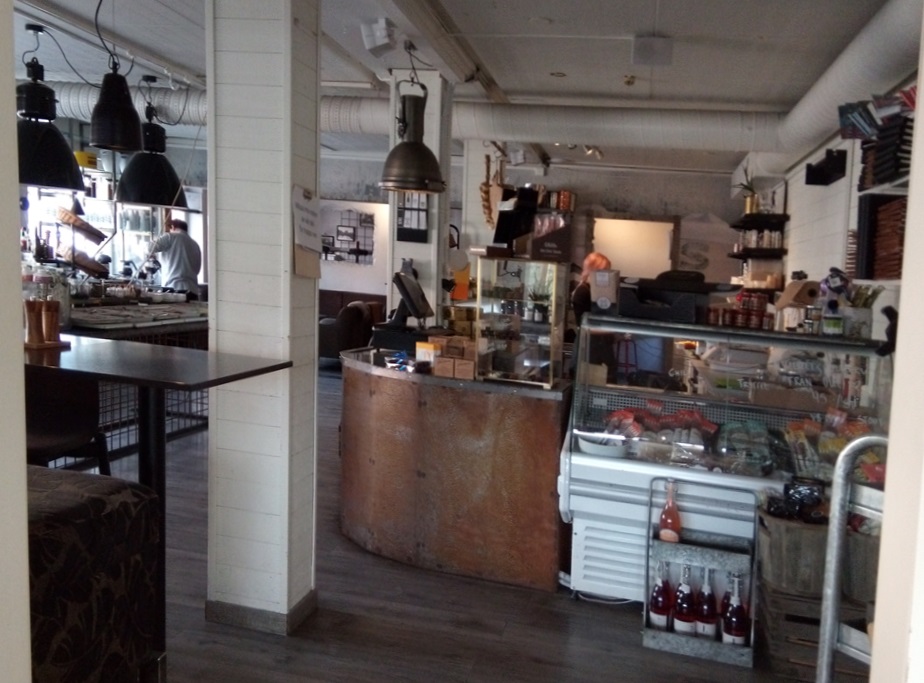
Breakfast in the hostel in Kiruna. This gets our vote for the best breakfast ever! To feed the miners, no doubt.
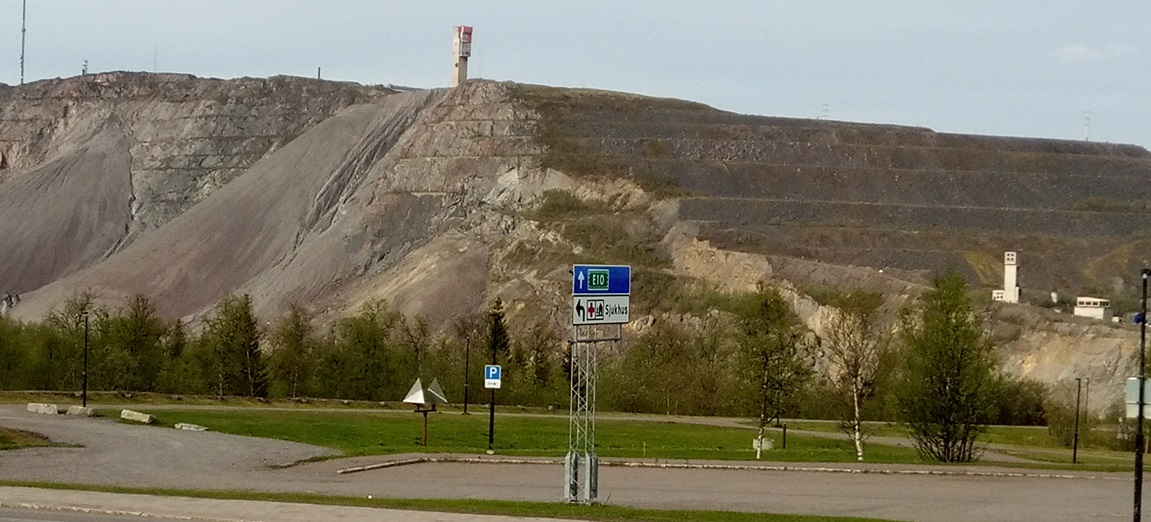
The Kiruna iron ore mine mountain dominates the skyline. They say one can hear underground explosions regularly, and the part of the town where we stayed needs to be moved in 2025, including the beautiful church.
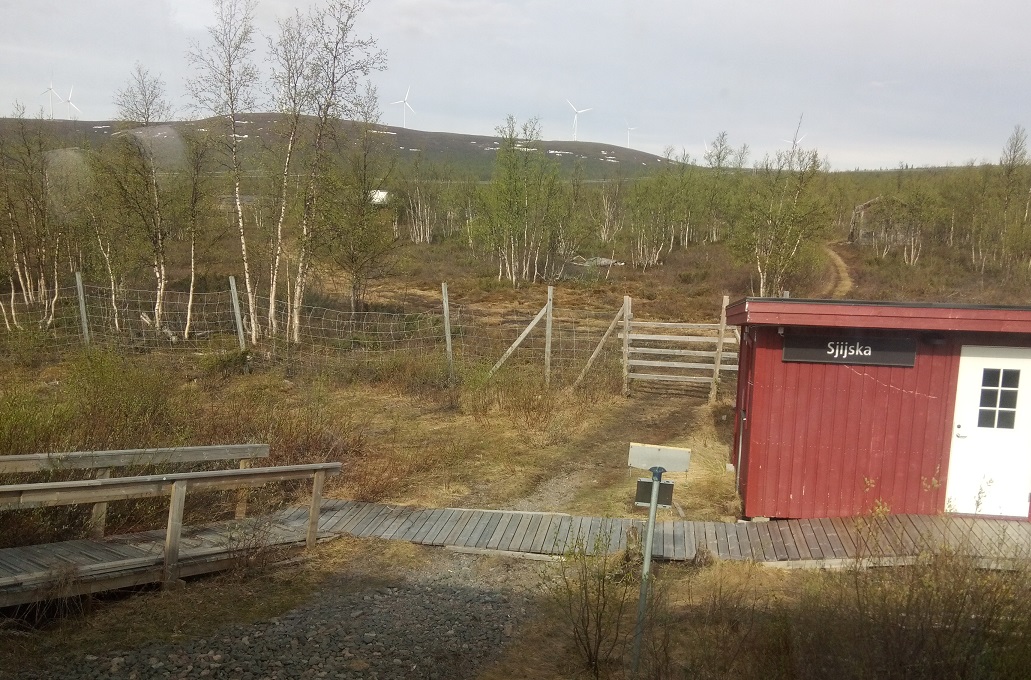
Sápmi (formerly known as Lappland) on the way to Luleå. We leave Kiruna on an early train (7.25 bus to the station for the 7.45 train), which takes us south through gradually changing terrain as we pass out of the Arctic Circle, to Luleå (65° 35’). This is the Scandinavian and Russian taiga, which covers most of Sweden north of Stockholm, central Norway, and nearly all of Finland, and consists of coniferous forests of predominantly Pinus sylvestris (Scotch Pine), but also juniper, spruce, common and silver birch.
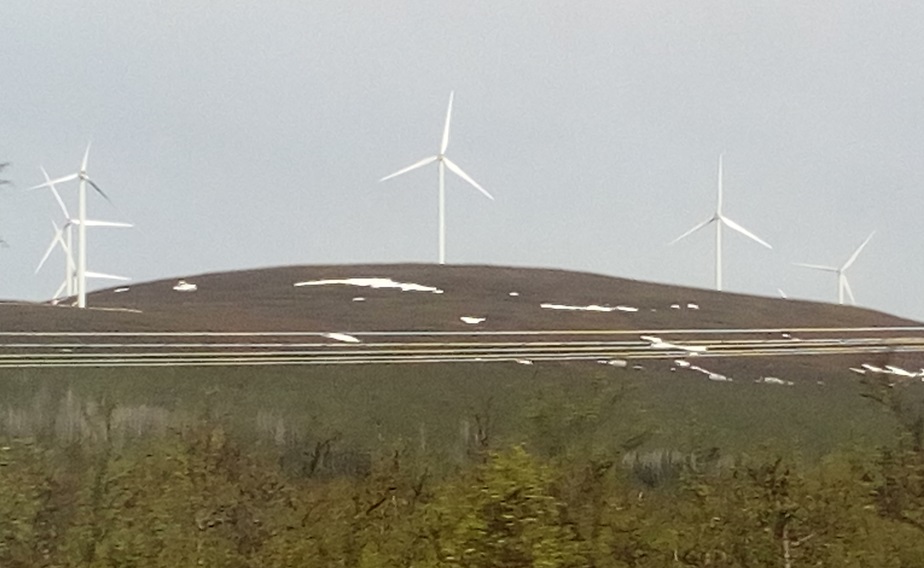
Wind turbines on the way to Luleå
Sweden’s energy plan is to have 65% of energy produced by renewables by 2030 and 100% by 2040. Electricity generation is 98% renewables and nuclear. Hydro is over half, and wind 20%.
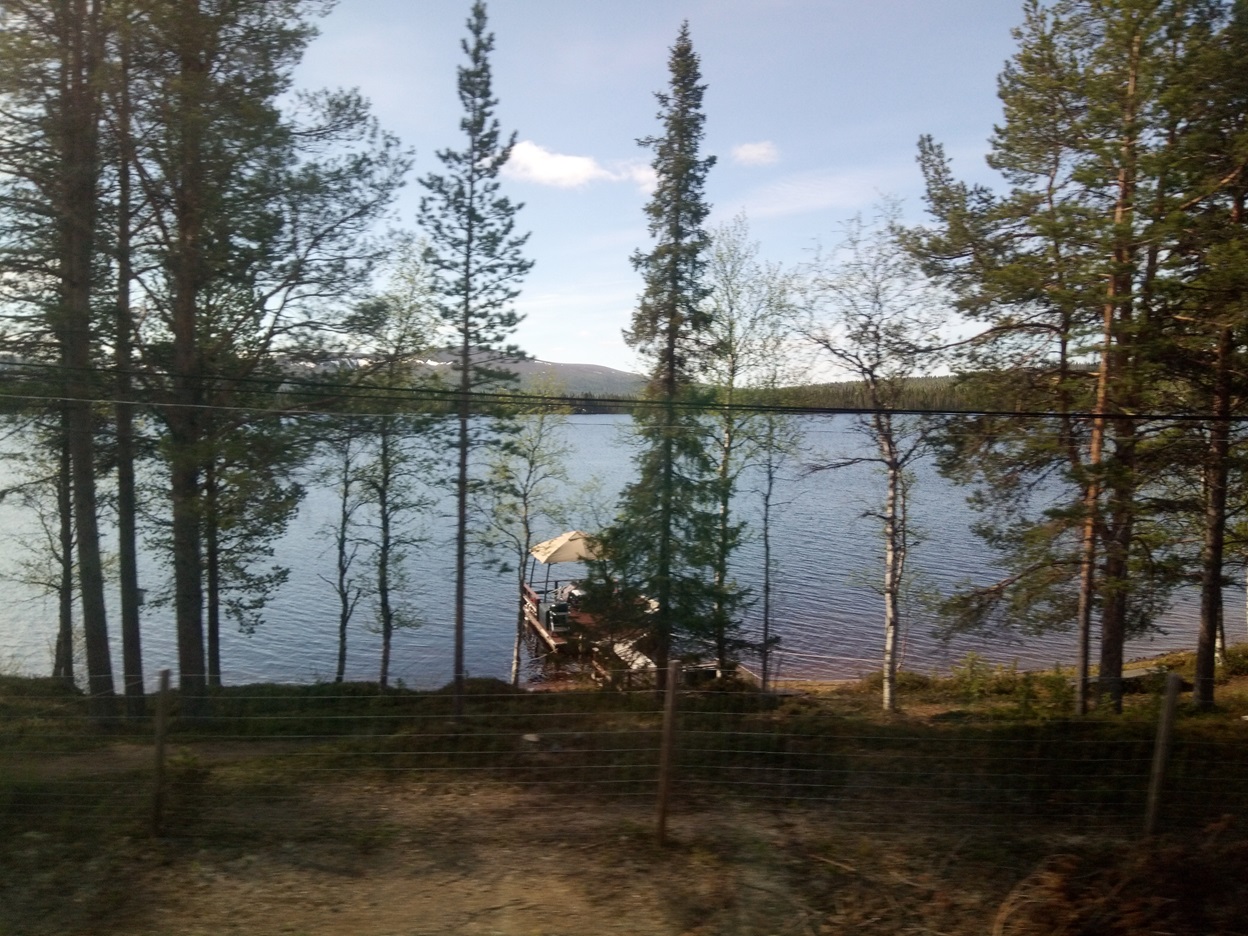
Lake near Luleå. The thawing of lakes and the Baltic harbour of Luleå provides a welcome, albeit short, opportunity for aquatic sports.
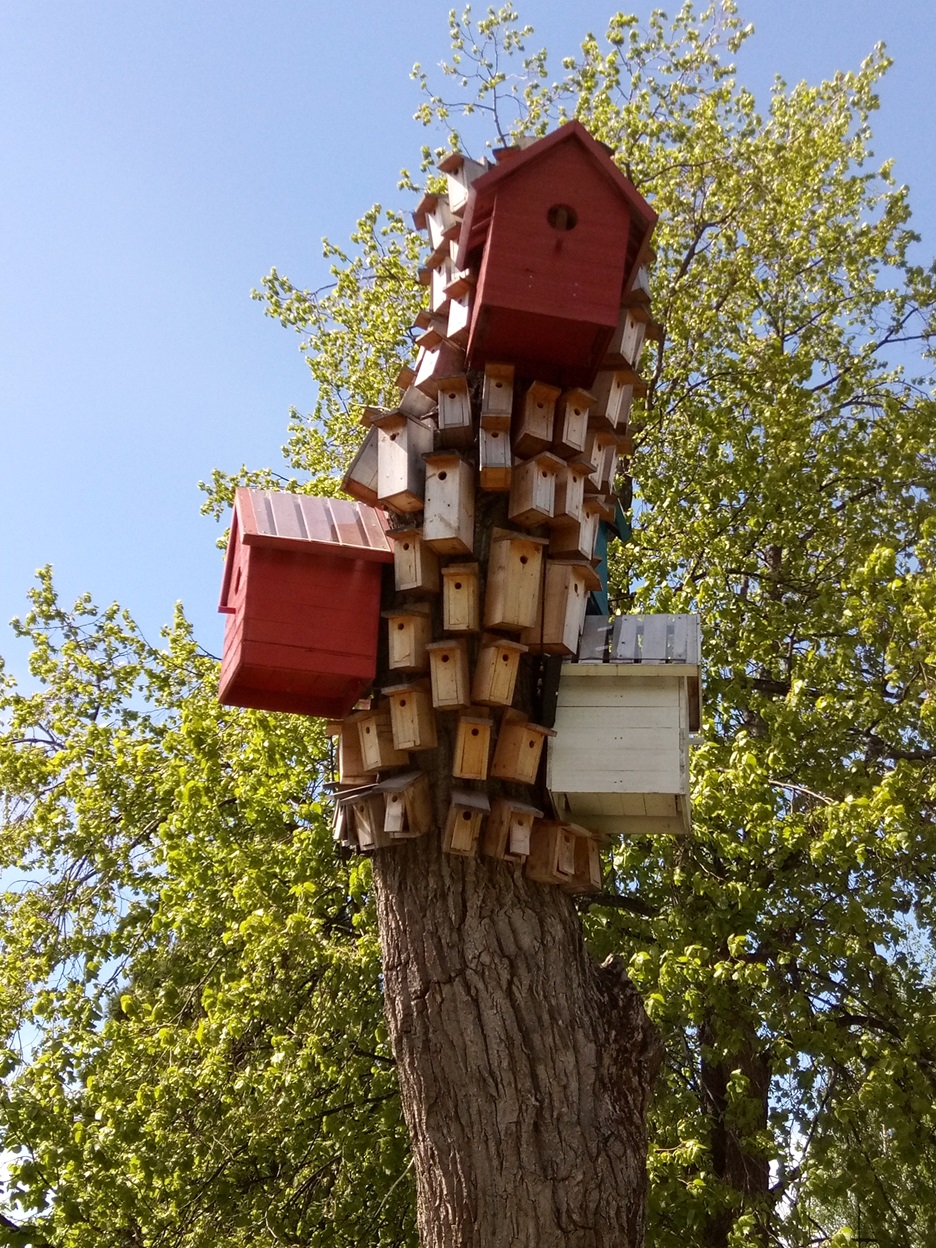
Luleå birdnests. The Gammelstad (old town) is 10 km north of the modern town, and is a UNESCO World Heritage Site, for its unique wooden buildings.
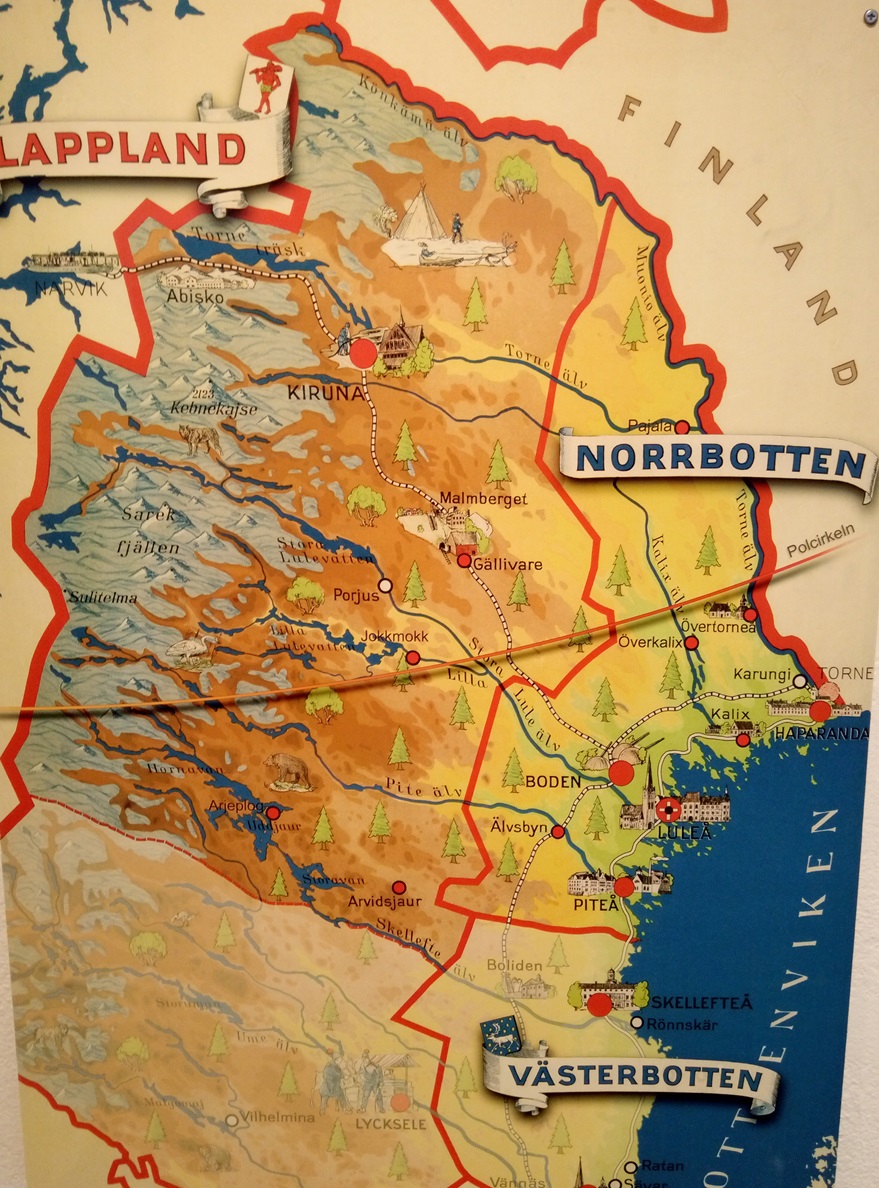
There are estimated to be 80,000 to 100,000 Sámi, of which 40-60,000 live in Norway, 15-36,000 in Sweden, 10,000 in Finland, and 2,000 in Russia. The Sámi are a Finno-Ugric-speaking people who inhabit Sápmi (formerly known as Lappland), which covers north Norway, Sweden, Finland, the Murmansk Oblast, and the Kola Peninsula. The term Lapp is offensive to the Sámi. There are a number of Sámi languages, a branch of the Uralic language family, which includes Finnish, Estonian, and Hungarian. 10% of the indigenous Sámi are engaged in herding 250,000 reindeer, an occupation reserved entirely for the Sámi in the Nordic countries.
It is National Flag Day in Sweden, and we are lucky enough to catch the end of an outdoor band concert, with some military drill from a weekend-warrior squad. The museum has a display telling the history of the area, from the glacial retreat, bronze age metallurgy, and the rest. Natural resources were exported from here, but the Baltic is frozen for a large part of the year, hence the importance of shipping the Kiruna iron ore via the ice-free harbour of Narvik.
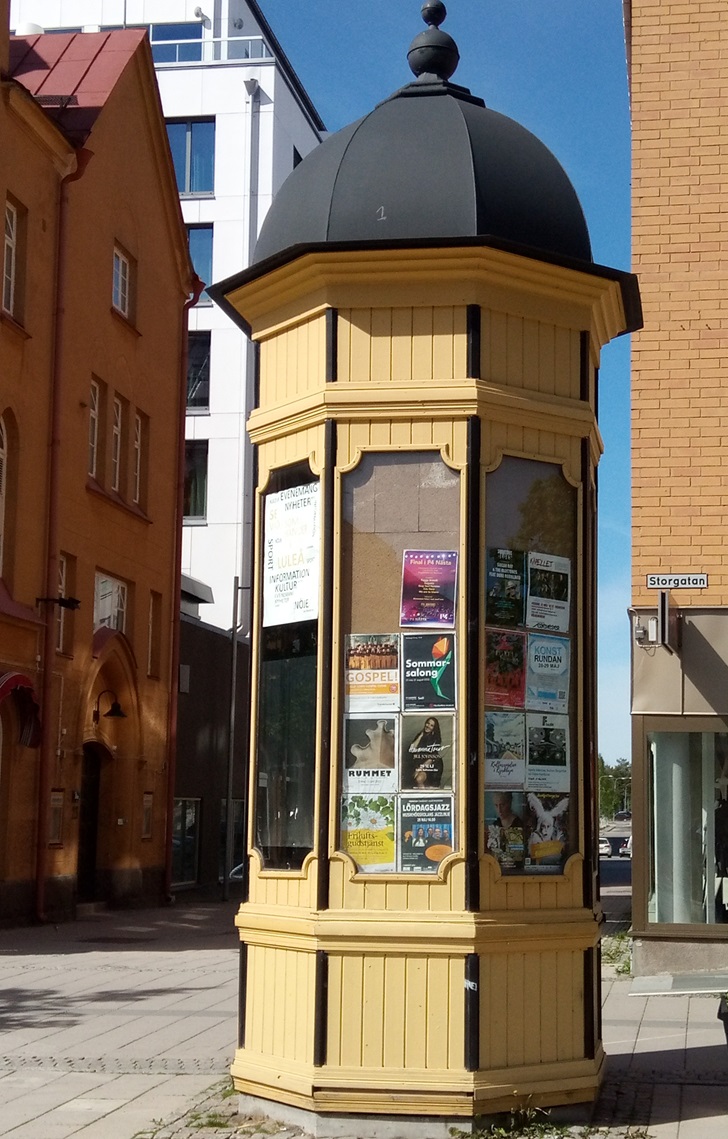
Poster column, main street, Luleå
Not a large town, Luleå has fewer than 50,000 inhabitants, and only the seventh largest harbour in Sweden. Unsurprisingly, given it is so close to Kiruna, it has developed a large steel industry. It also has three technology universities, and has a sizeable IT industry. Temperatures range from average lows of -13 to 12.6°C, and highs -5.2 to 20.5°C. In the north of Sweden, summer crops can ripen within 2-3 months, thanks to the long summer days.
Agriculture includes grains, primarily barley, potatoes and turnips, as well as hay for livestock.
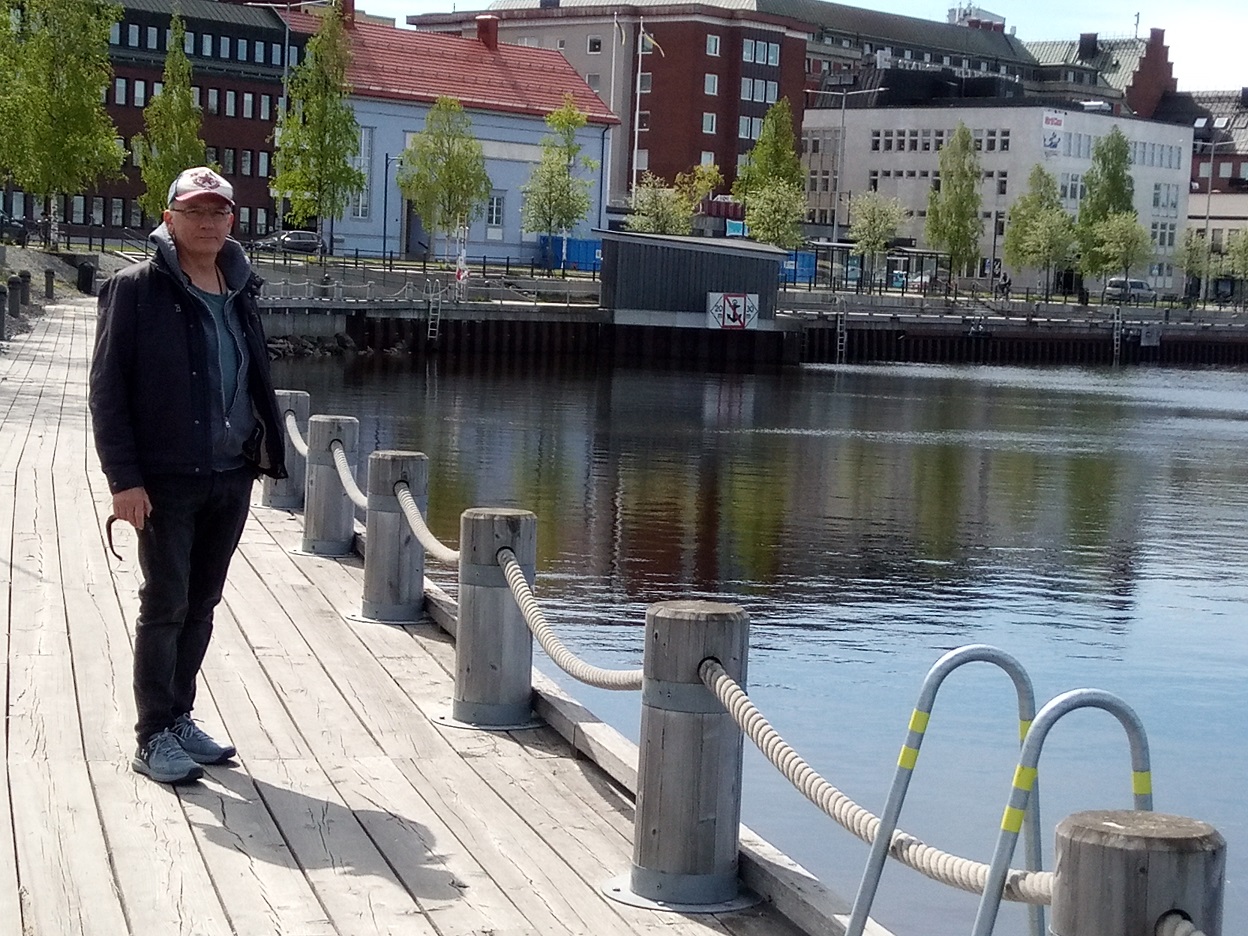
Luleå harbour. The Bay of Bothnia includes a number of archipelagos, of which Luleå is the largest, with 1,312 islands. The population of Norbotten County has been falling since the 1960s, as young people move south, to be replaced by non-native Swedes and foreigners. The natural resources of the region include hydroelectricity, timber and minerals, which helped in no small way the industrialisation of Sweden. There is resentment about economic inequality with the south, especially Stockholm.
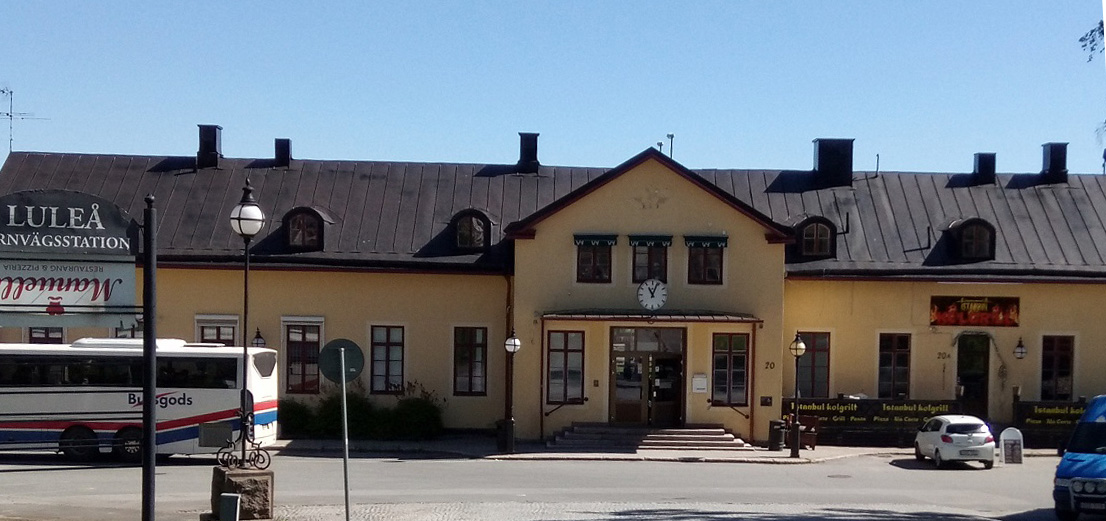
Luleå railway station
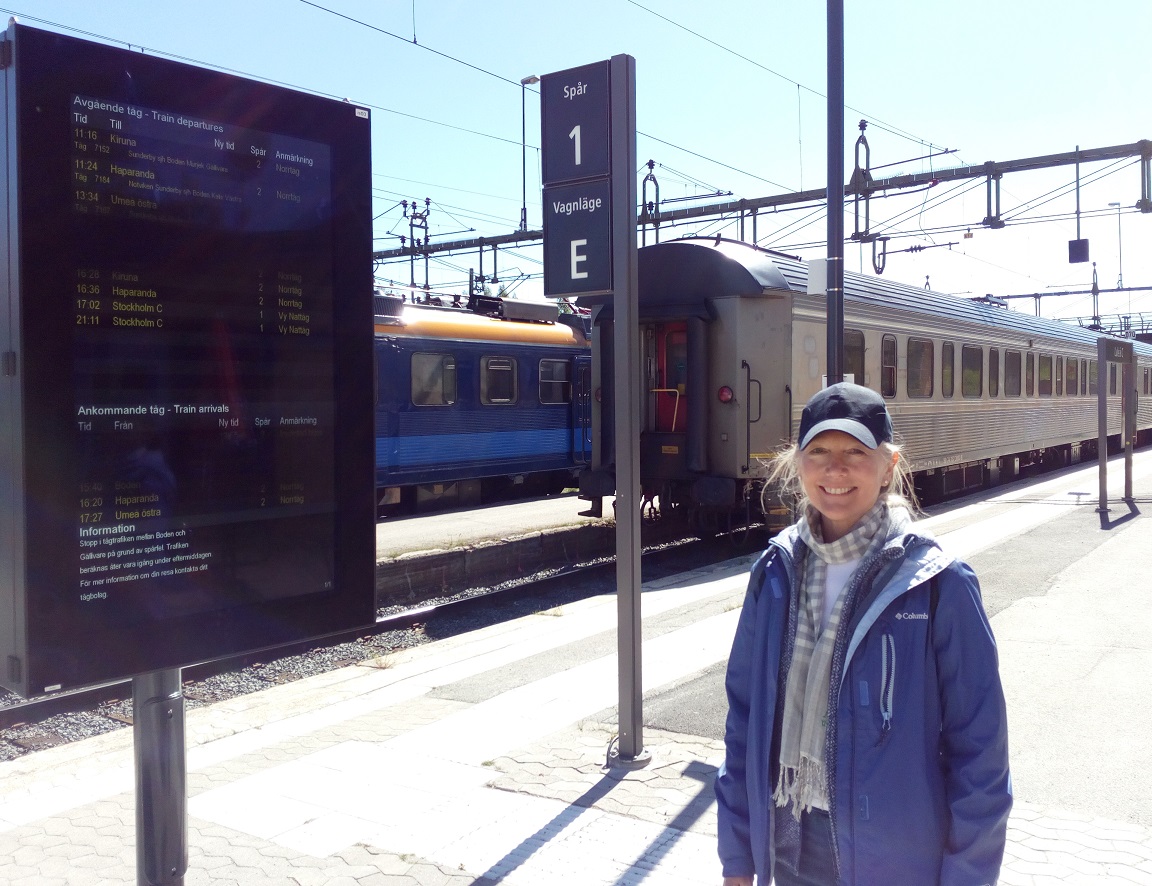
Getting ready to travel to Finland
Travel Diary
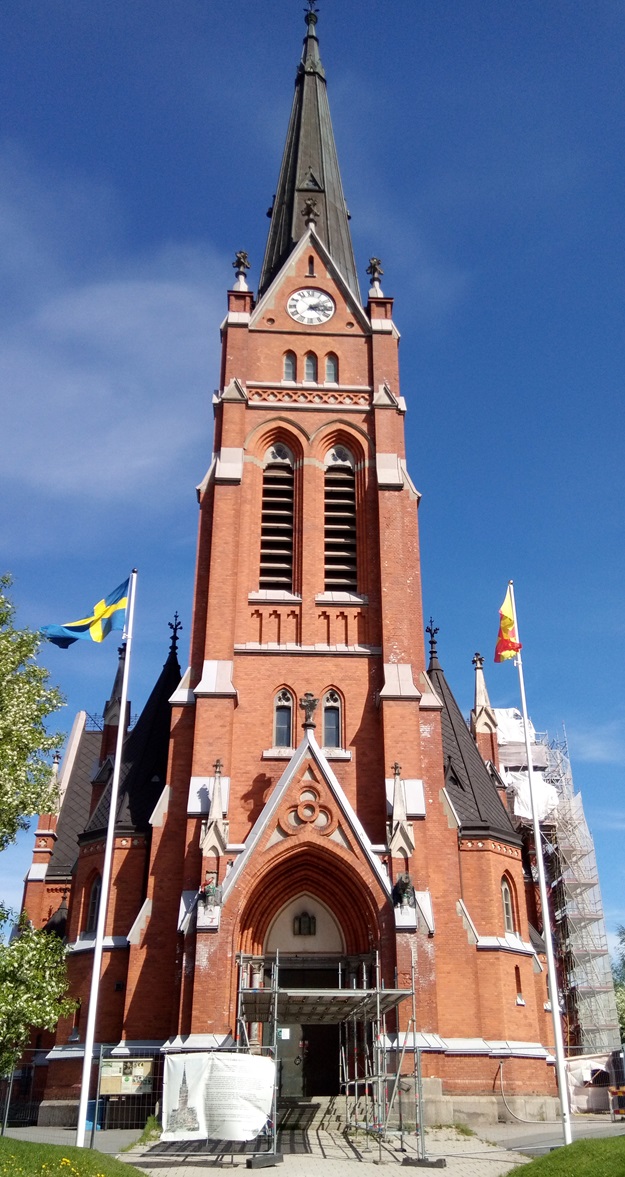
There is a lovely park resplendent in the unusual sunshine which the locals were out in force to enjoy. The large, red-brick cathedral is closed, and apart from this there is little of architectural interest. The shopping street is much like any other. We nap late afternoon for a couple of hours, before returning to the centre for tacos served by we think Pakistanis.