Baltic Sea 2022
Day 17: Saturday 11 June 2022
Tallinn
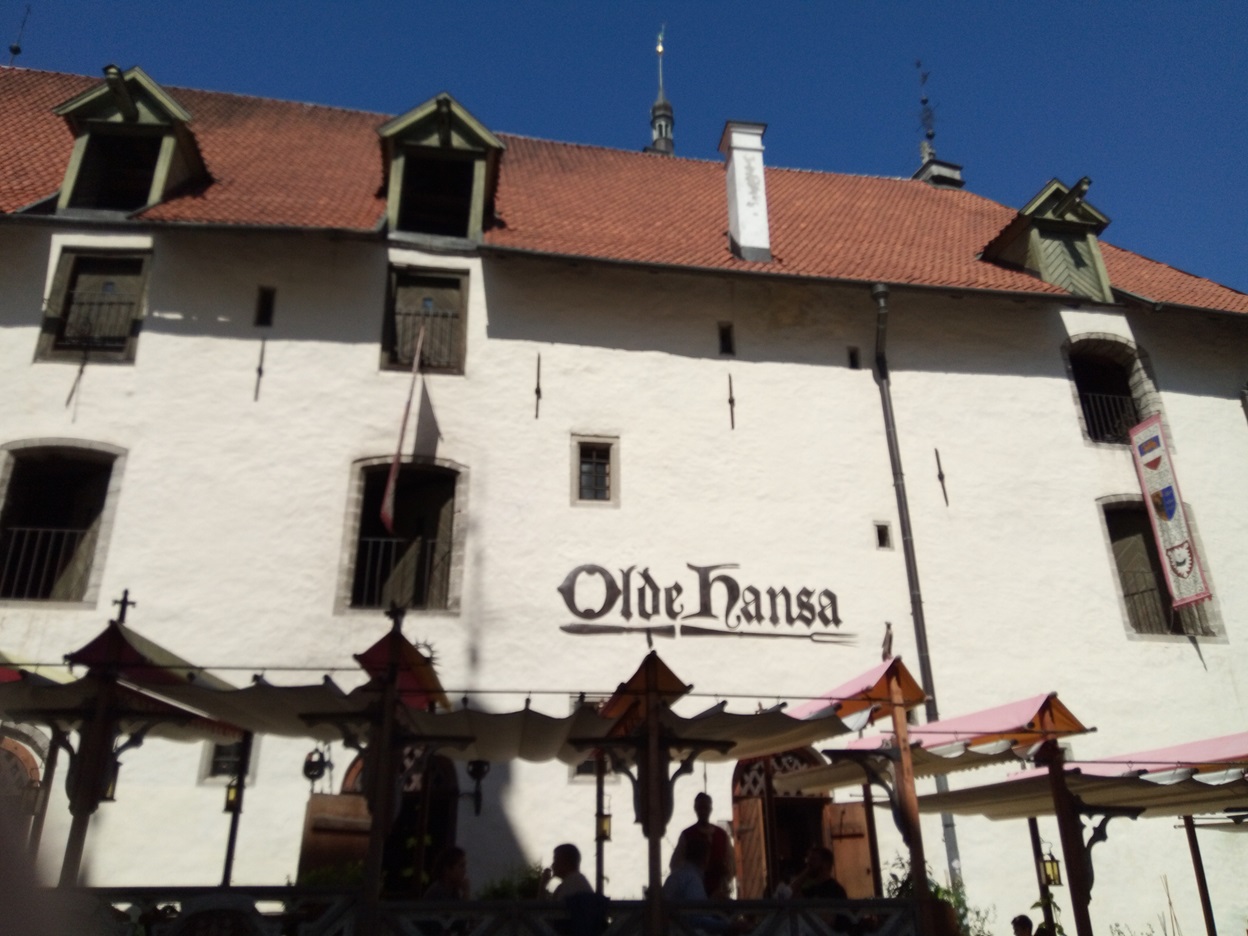
The name of this public house reminds us that Tallinn was the northernmost member of the Hanseatic League, a trading association whose monopoly was challenged by Gustav I of Sweden in the early 16th century.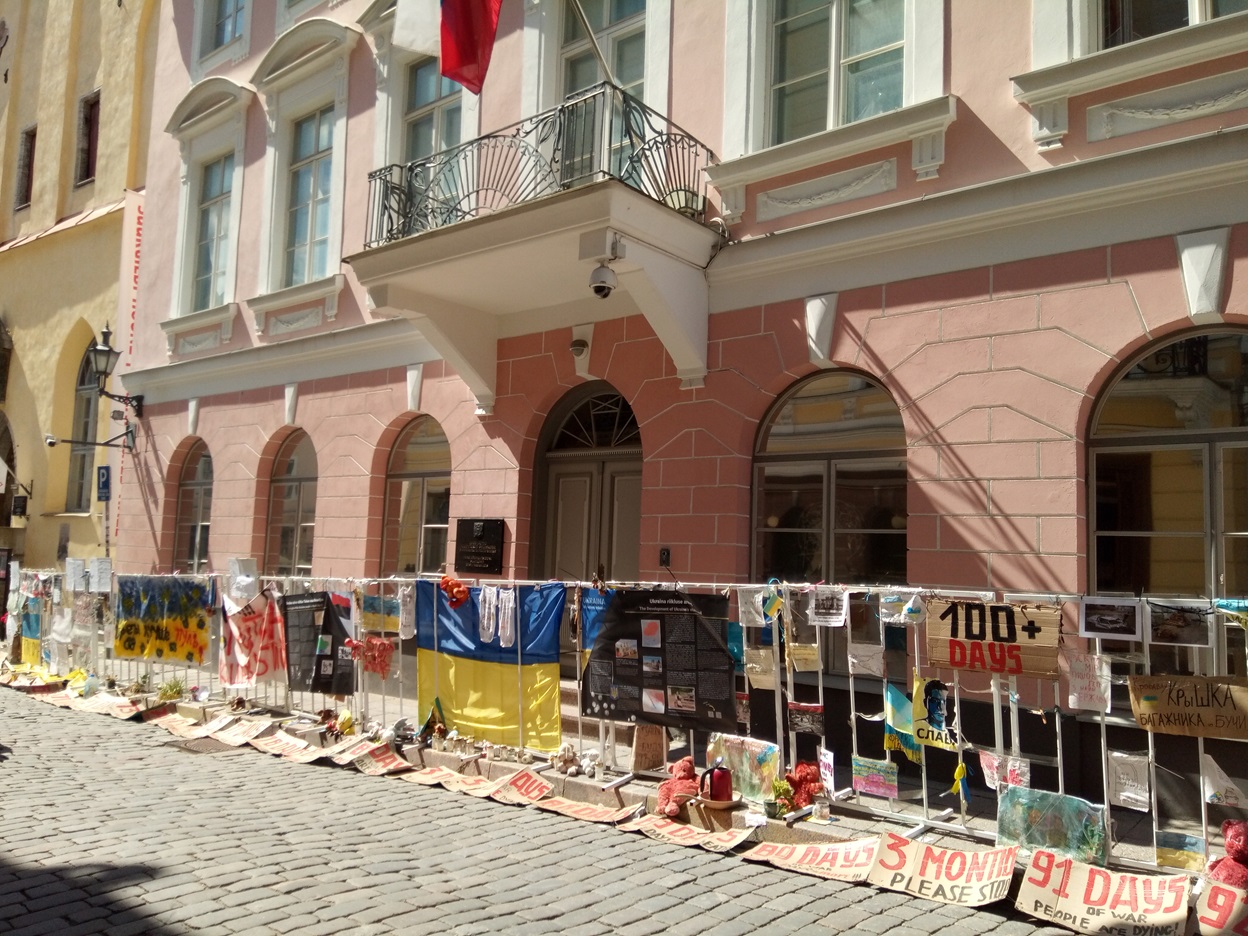
Protests outside the Russian embassy
The old town has the Russian embassy, which has an improvised fence in front of it, and a 24-hour police presence, but only discreetly from a vehicle at the start of the road. The fence has been adorned with information panels, telling the history of the strained relationship between Ukraine and Russia, and protest placards, and such things as blood-stained teddy-bears. Despite this, they have the audacity to fly the Russian flag above the street and just out of reach of offended passers-by. The building itself seems to be empty. The political still-life has become a tourist attraction.
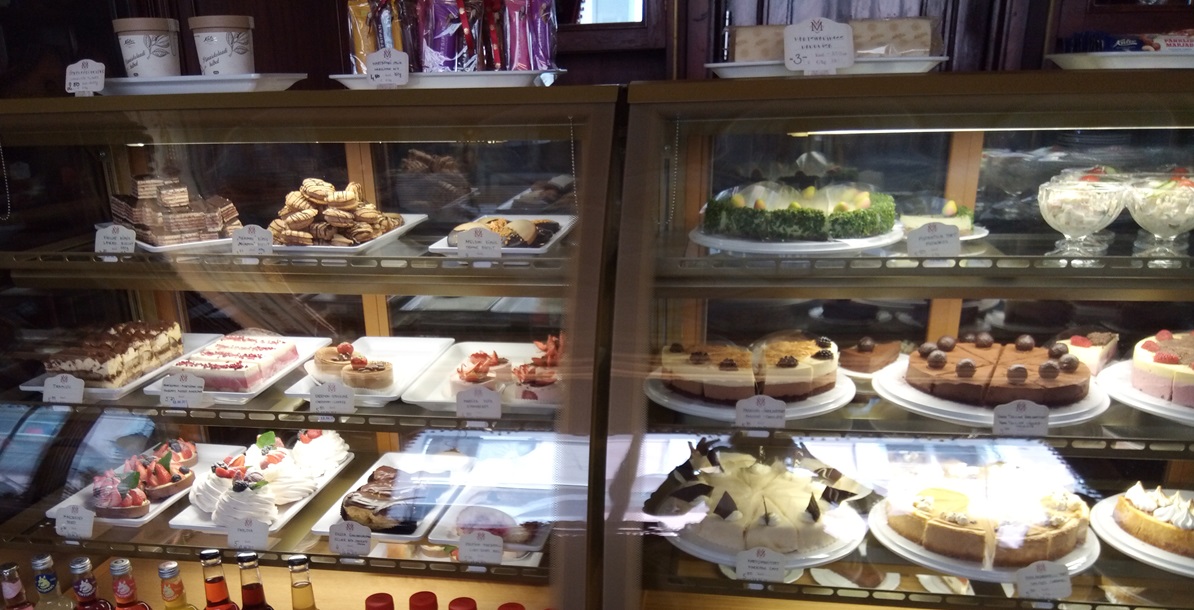
Estonian delights, The town is full of tastefully decorated bars and restaurants, to which we contribute our custom in the custom manner.
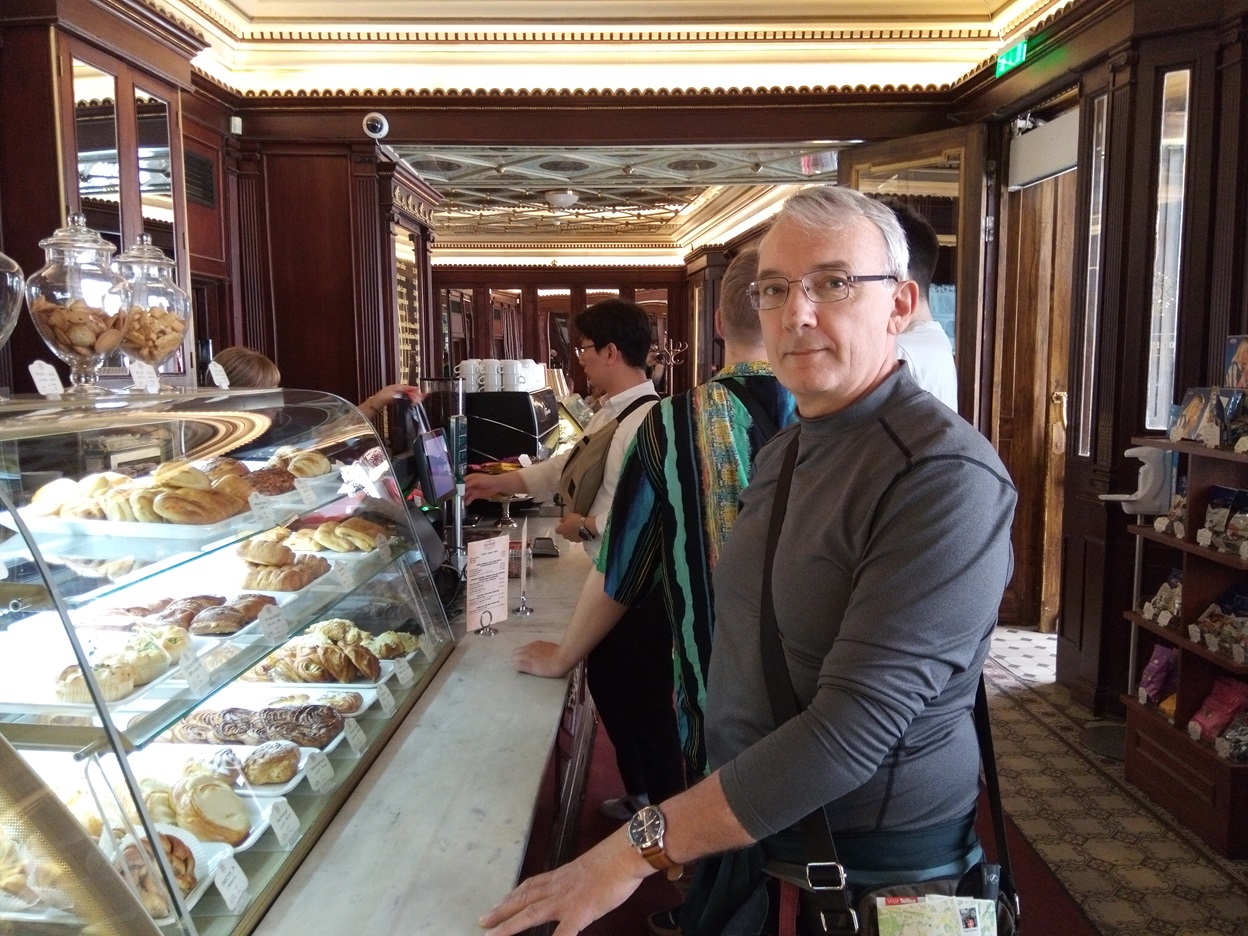
Andrew caught in the act… again!
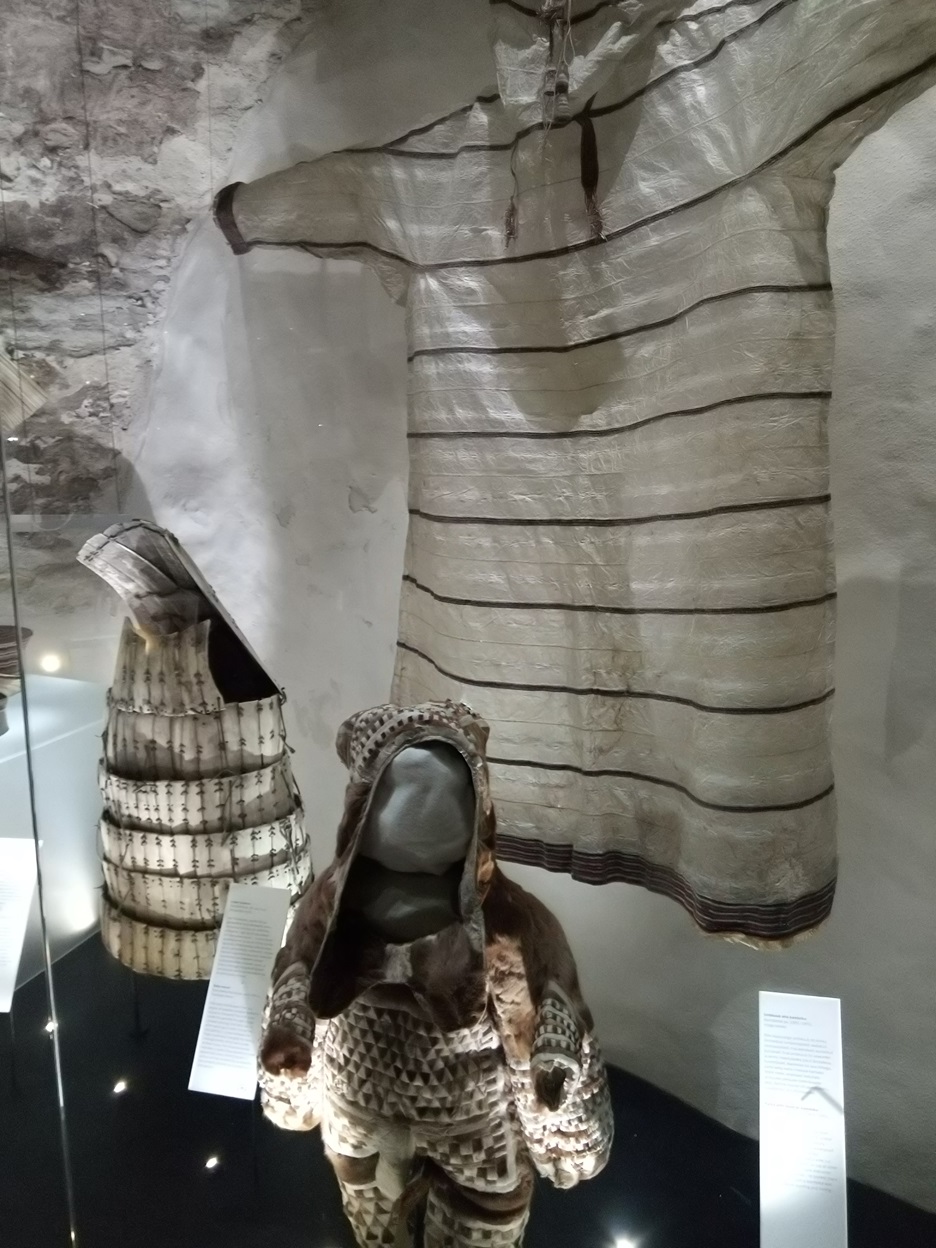
There is a museum to the town, and another to the nation Estonia. The national museum is in the old guild hall, adjoining unfortunately the Russian embassy, and is creatively set out. The top floor tells the story of how Finnish radio and television was received by a large part of the country during the socialist era, and how this was hungered for. The city museum receptionist spoke English haltingly, and told us of how she came from the ‘dark side’, the city of Tartu, where we would go the next day, which could not receive Finnish television.
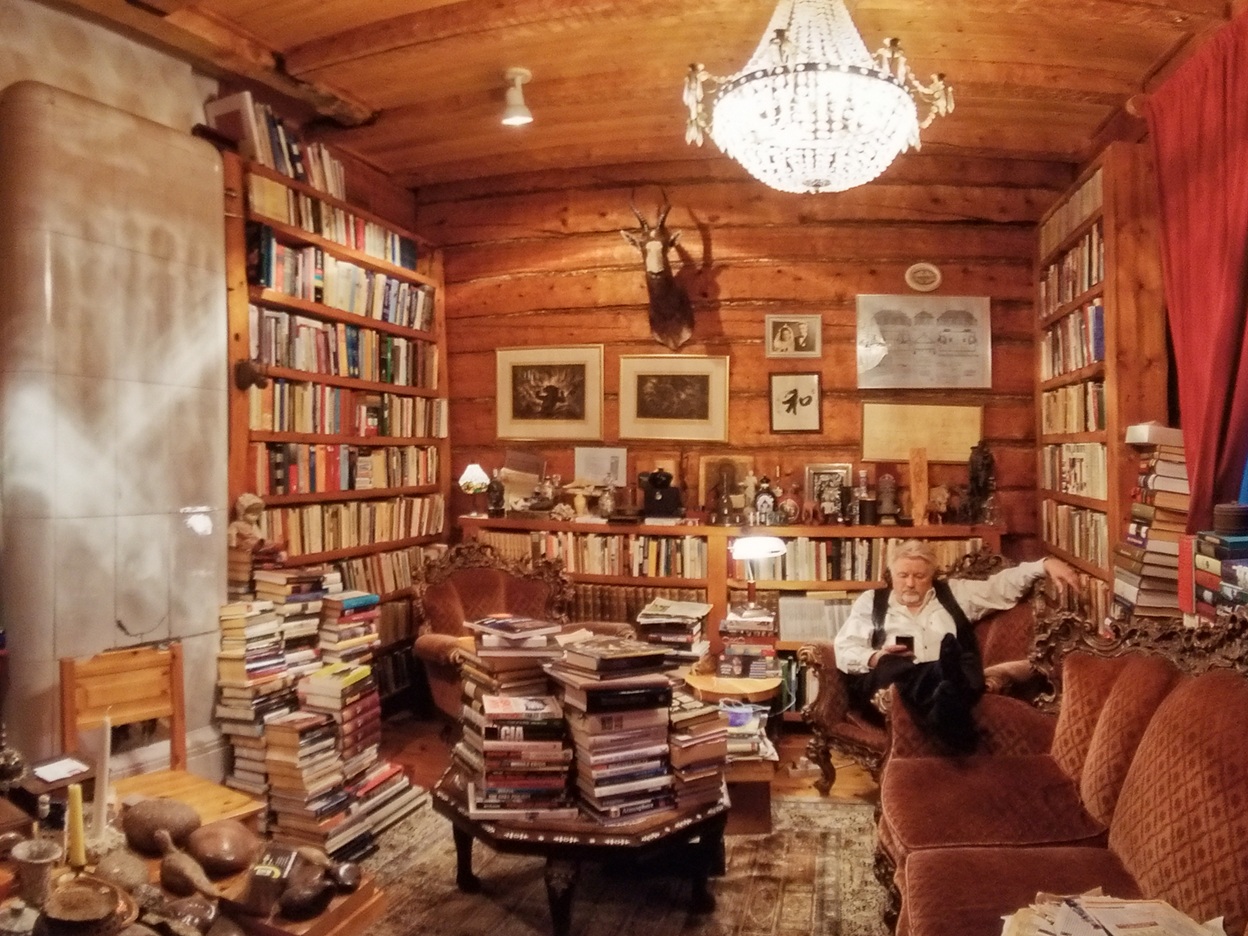
Tallinn Town Museum
Estonians own more books than any other nation on Earth – 218 books per household on average.
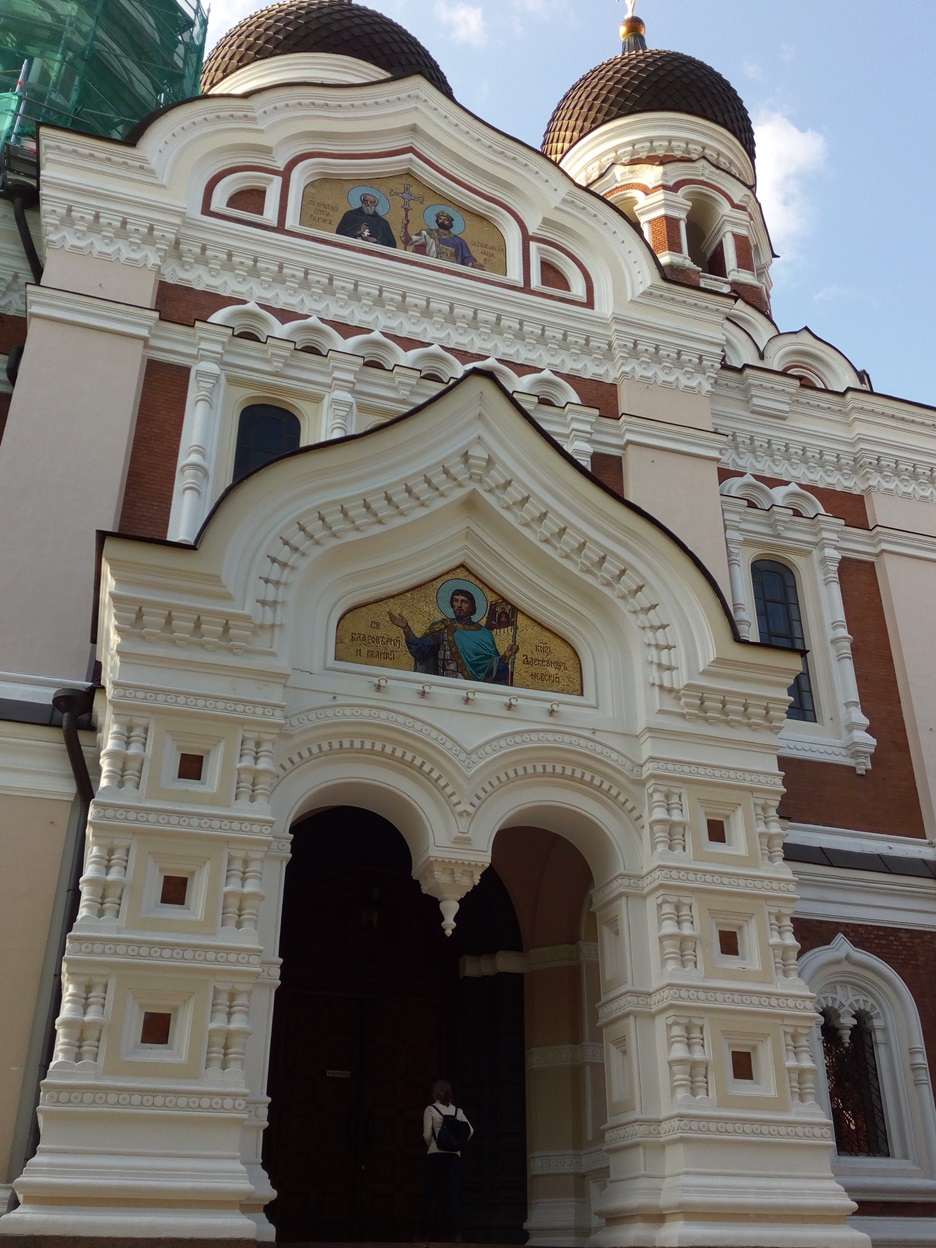
Orthodox Church in the Upper Town
There is a wall around the town, and a zig-zag moat, now a park, on the west side, just like the one in Bremen. The town has an upper part and a lower part. We ascend a narrow stairway and pass through an ancient gate to find an orthodox church in full service, with a well-tuned choir echoing the priest’s intonements, and the many older women in scarves step aside as he does a tour of the building with his can of smoke to expel the evil spirits.
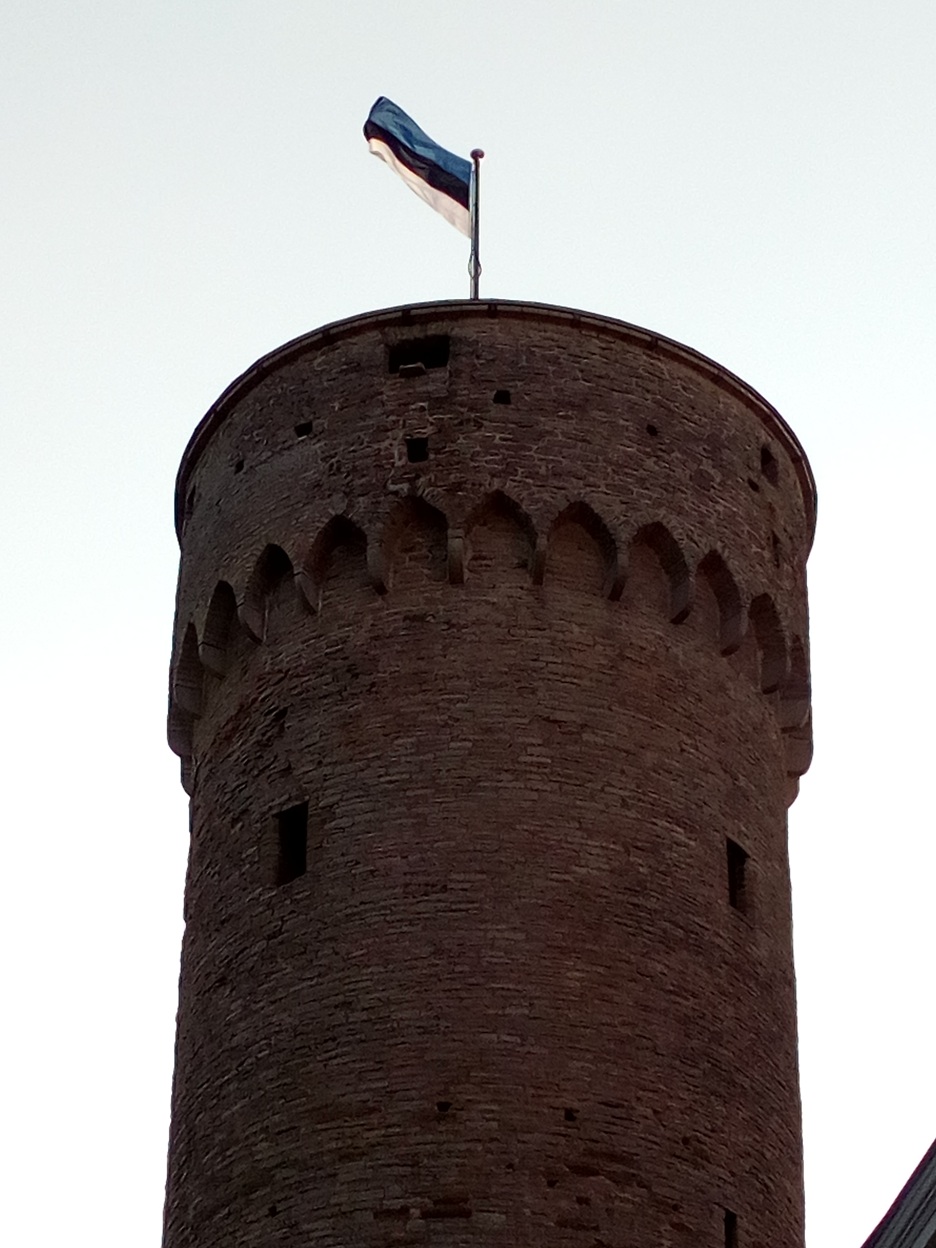
At the castle, there is a tower flying the Estonian flag. At the base of the tower is a plaque informing us that this is where Estonian independence was declared at the collapse of the Soviet Union, in 1991.
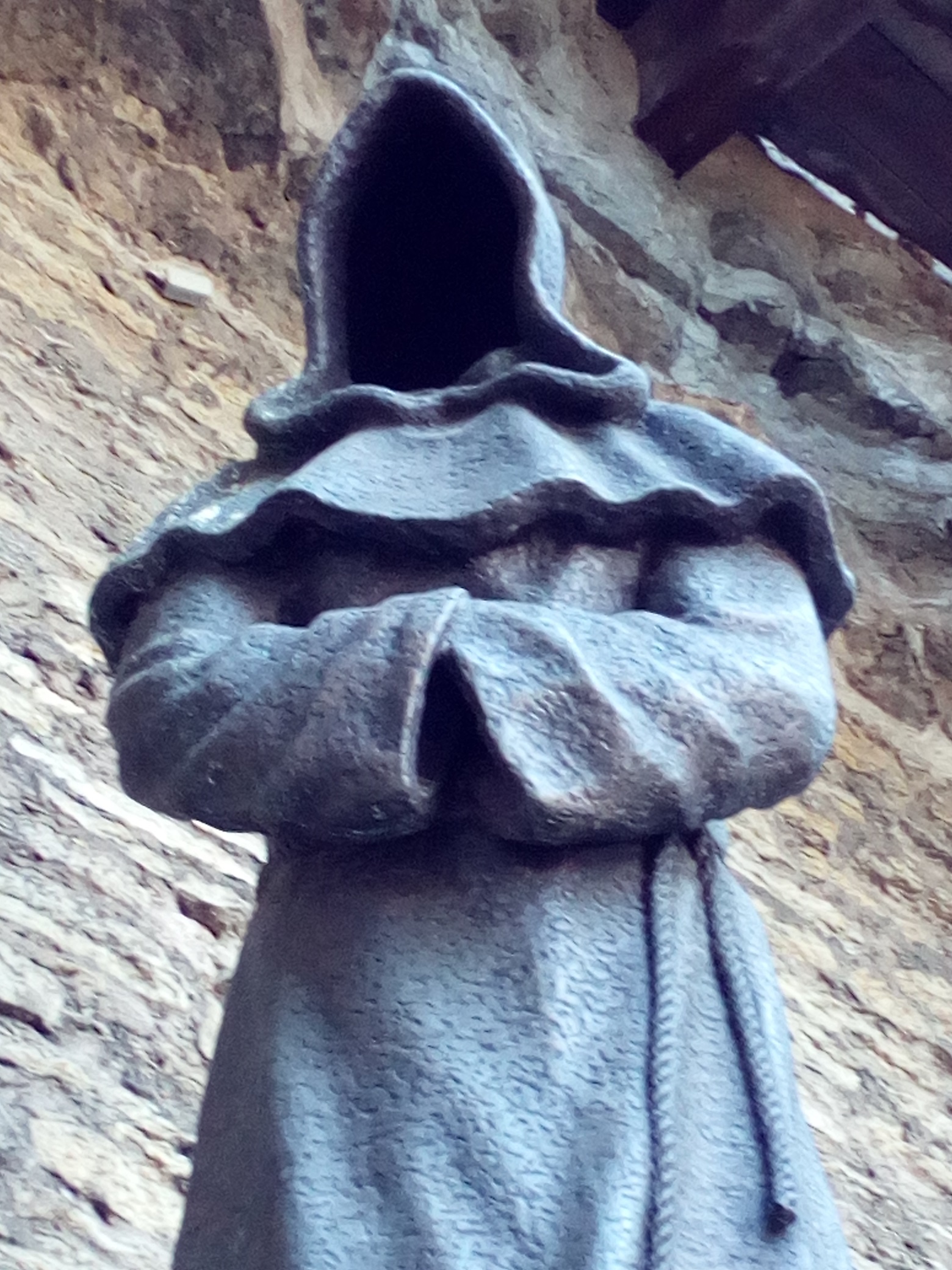
Headless monk statue
Then we find a strongly fortified part of the wall, with statues of monks with no heads inside their hollow habit cappucci, and information about historical anecdotes behind Estonian independence and history. As the legend has it, at the Battle of Lindanise (Tallinn), 1219, the Danes turned the tide of the battle when a Danish flag fell from the sky. In fact, the name Tallinn comes from Estonian for “Danish castle”, because they built the castle after winning the battle.
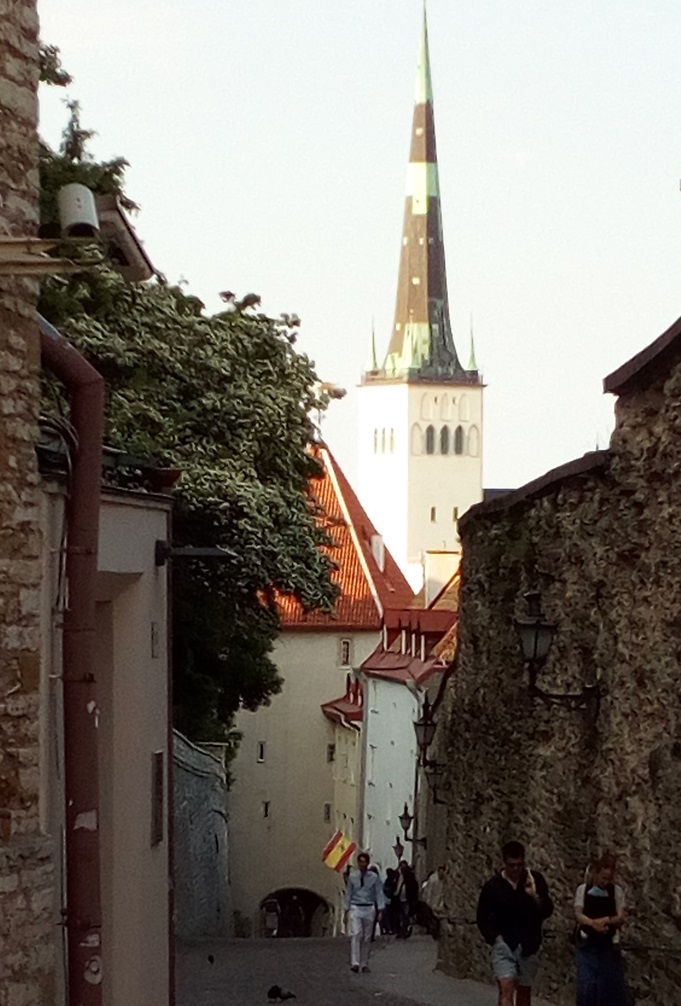
Tallinn obtained Lübeck city rights in 1248, and has had a history of alternating Scandinavian and Teutonic rulers. Its medieval port was a strategic trading hub, especially in the 14th to 16th centuries, as it rose in prominence as the northernmost Hanseatic League city. The immaculately preserved medieval town is a UNESCO World Heritage Site.
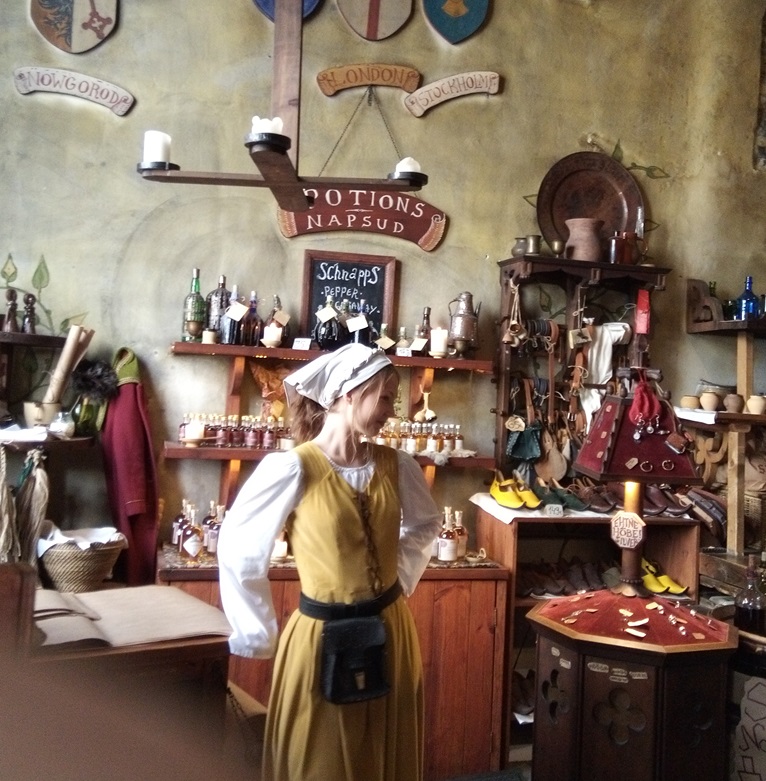
Shop in Tallinn
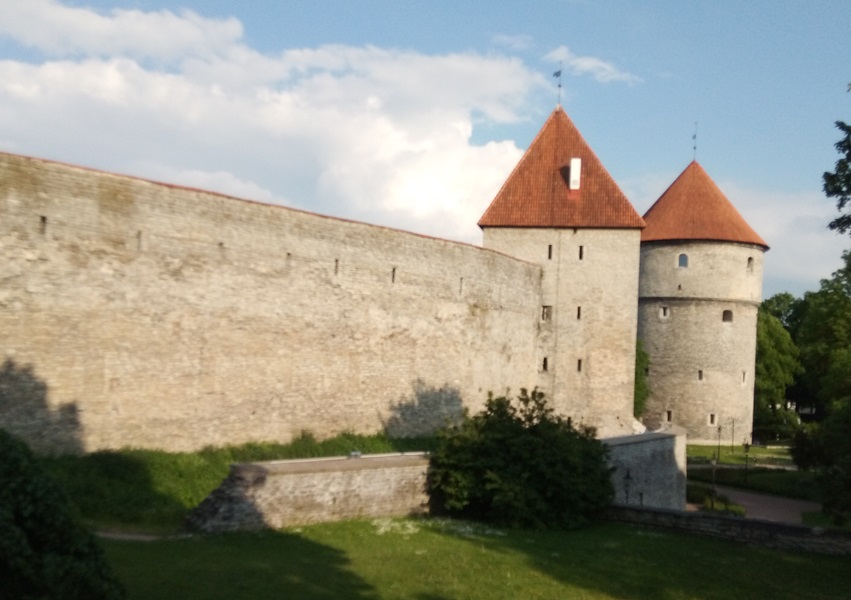
Castle wall
The Danes sold Reval, the name for Tallinn till 1918, to the Teutonic Knights in 1346. At its peak it had 66 defence towers around its city walls. It converted to Lutheranism during the Reformation, and became a dominion of Sweden in the early 16th century. Tallinn, along with Estonia and Livonia (the name for the region where Latvia is today) was ceded to Russia in 1710, during the Great Northern War.
Estonia declared independence on 24 February 1918 in what was then renamed Tallinn. It was then occupied by Germany till November 1918, when Tallinn became the capital of independent Estonia. Estonia was annexed to the USSR in 1940, then occupied by Nazi Germany from 1941-44. During this occupation the Soviets bombed the city relentlessly. It was reoccupied by the Soviets after the Germans retreated in September 1944. In 1991 Estonia gained its current status as an independent democratic state.
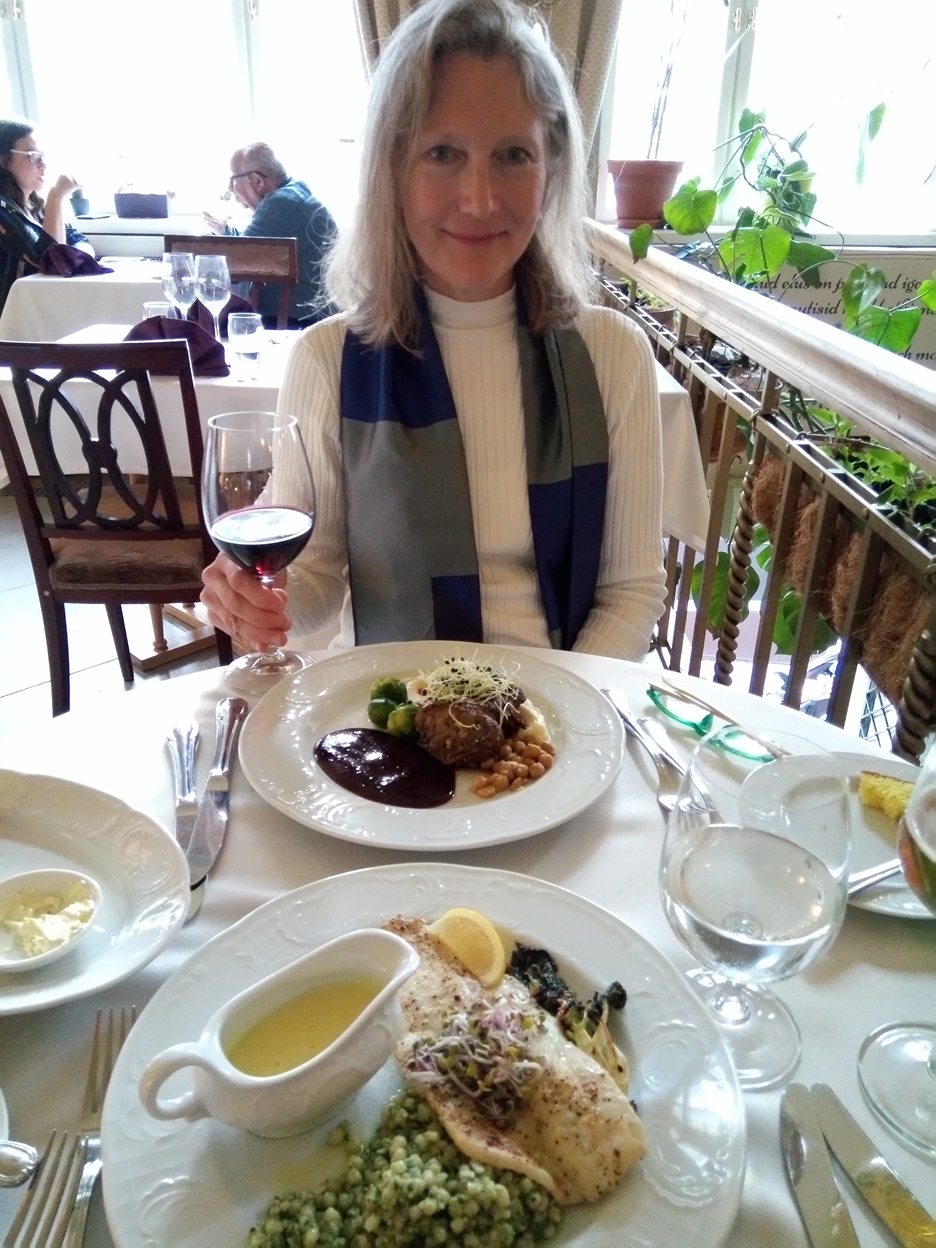
Lunch. We stay two nights in our luxurious apartment. Oh, the luxury of a washing machine and a floor-heated bathroom to dry everything!
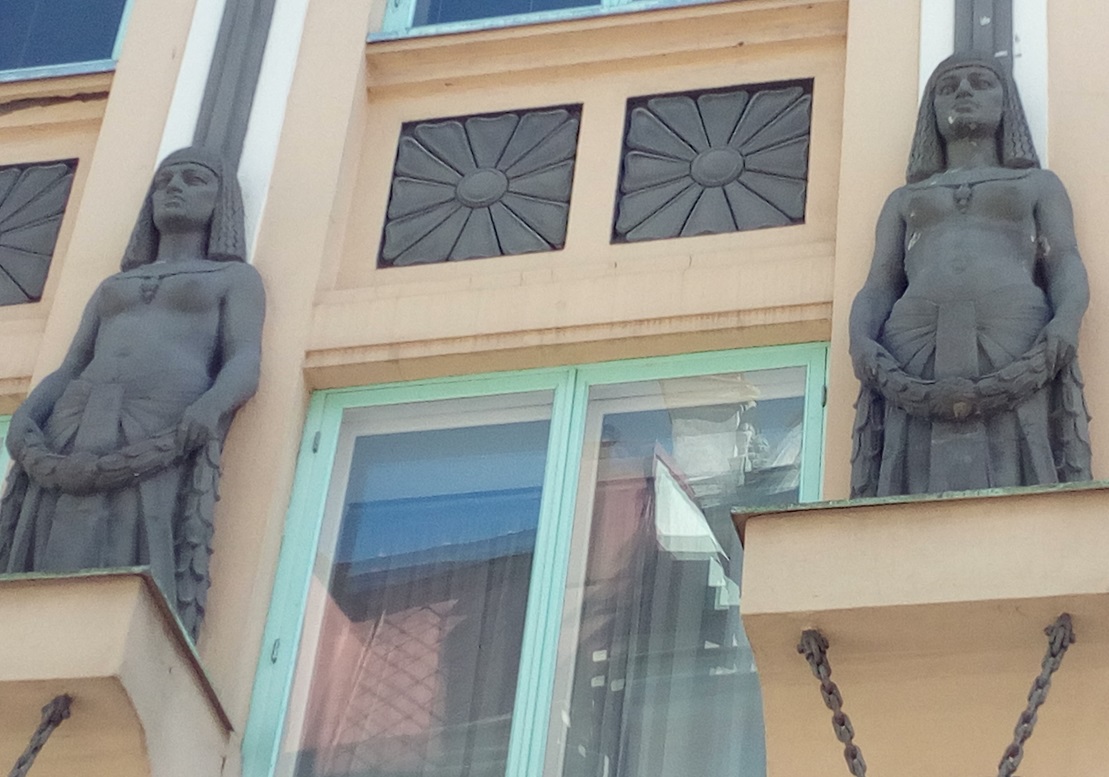
Art Deco, my favourite style
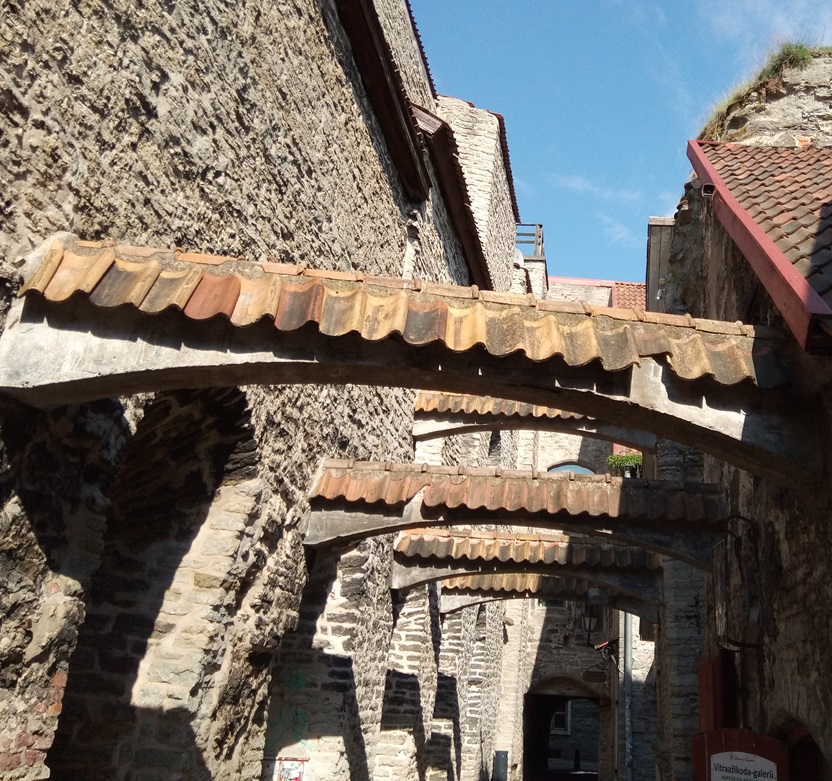
Backstreet in Tallinn Old Town
Travel Diary
The Estonian Language
Interestingly, Estonian is entirely different to Latvian, just to the south, and Russian, to the east. Estonian is a member of the Finnic branch of the Uralic language family, which comprises the languages spoken in Finland, Saami (formerly Lappland), areas of northern Russia, and Hungary.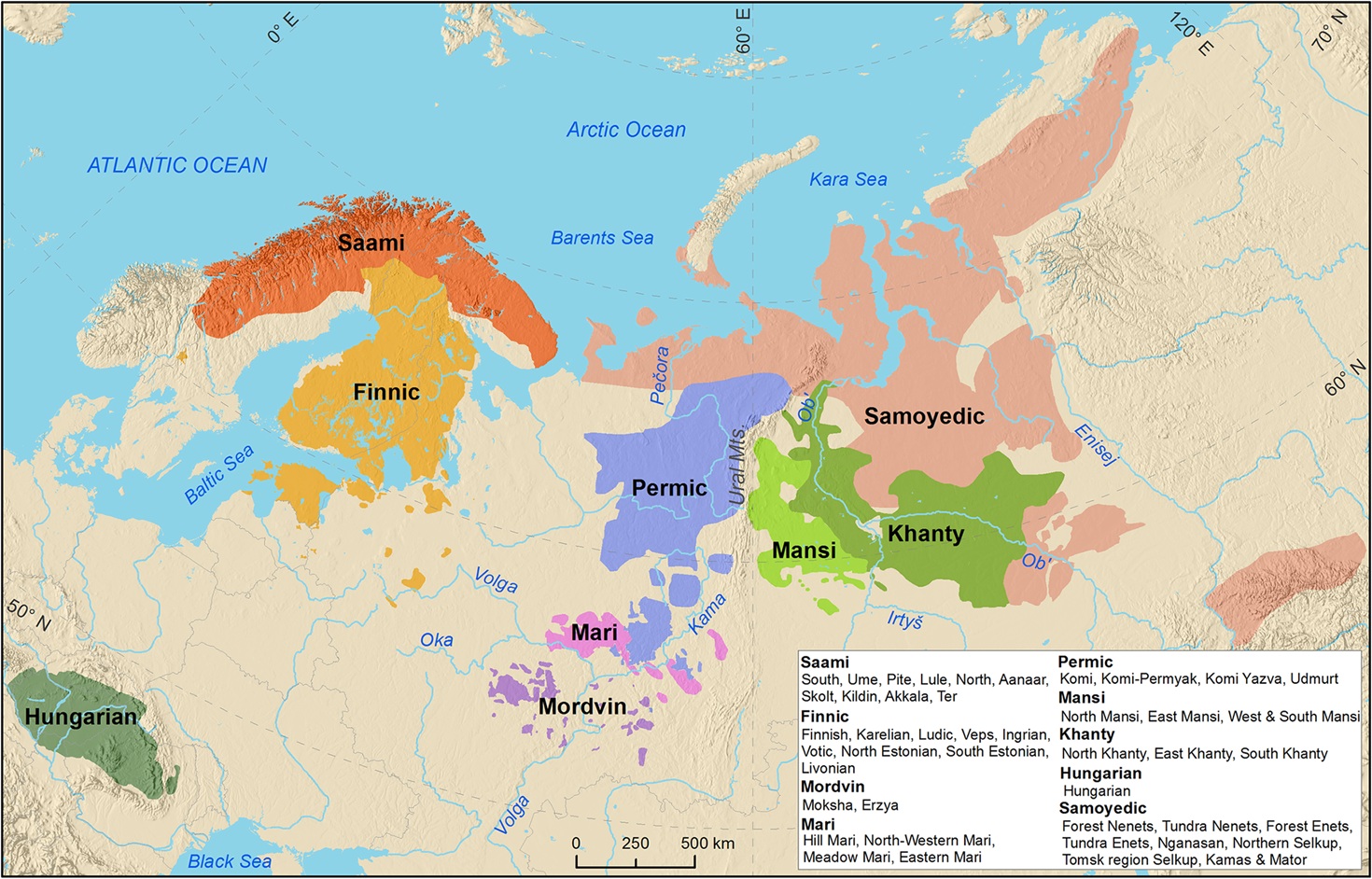
Image courtesy Wikipedia: Uralic Languages
Estonian, Finnish, Hungarian, and Maltese are the four official languages of the EU that are not Indo-European.