North America 2024
Day 5: Tuesday 30 July 2024
Vancouver
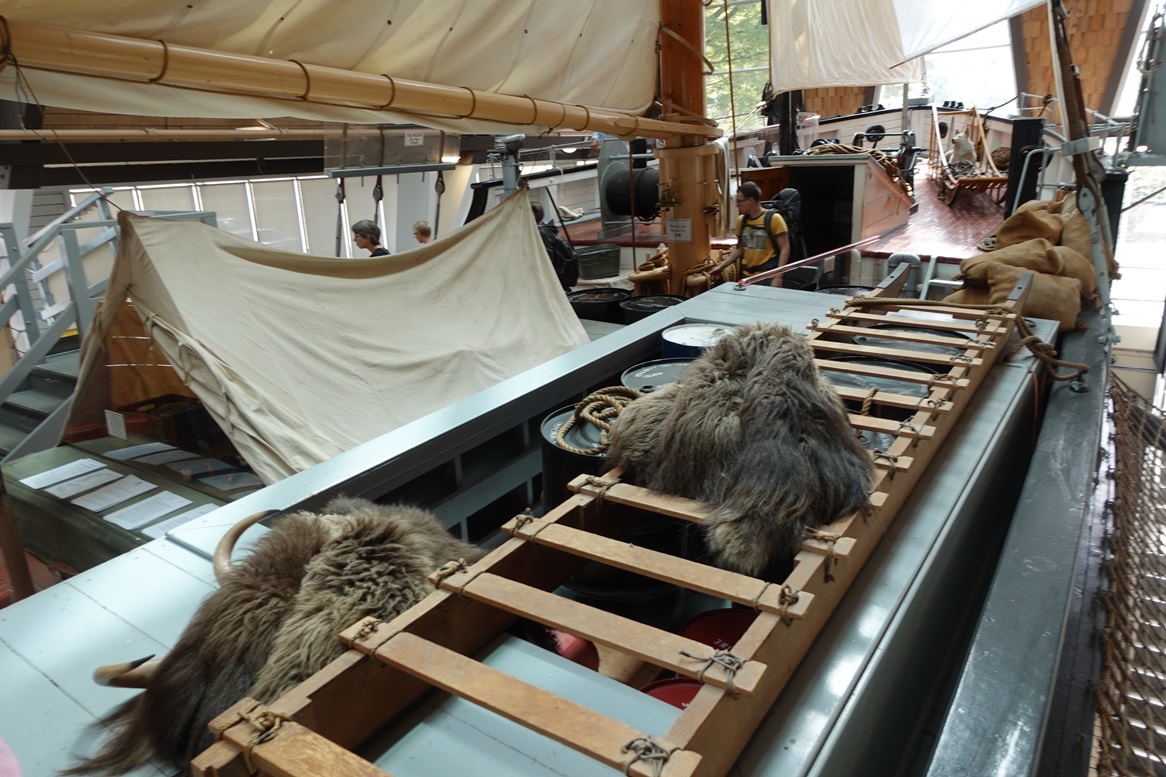
The beautifully preserved ship, RCMP St. Roch, is displayed in the Vancouver Maritime Museum. Launched in 1928 in Vancouver, the ship is famous for being the first to transit the Northwest Passage in both directions, in 1944, as well as the first circumnavigation of North America, passing through the Panama Canal. It remains a symbol of Canadian sovereignty.

One of the intrepid explorers aboard the St. Roch during its epic 1944 voyage through the North-west Passage was an Inuit guide and hunter, Joe Panipakoocho, who lived in this tent with his family of seven, on the deck of the ship. He also brought 17 sled dogs.
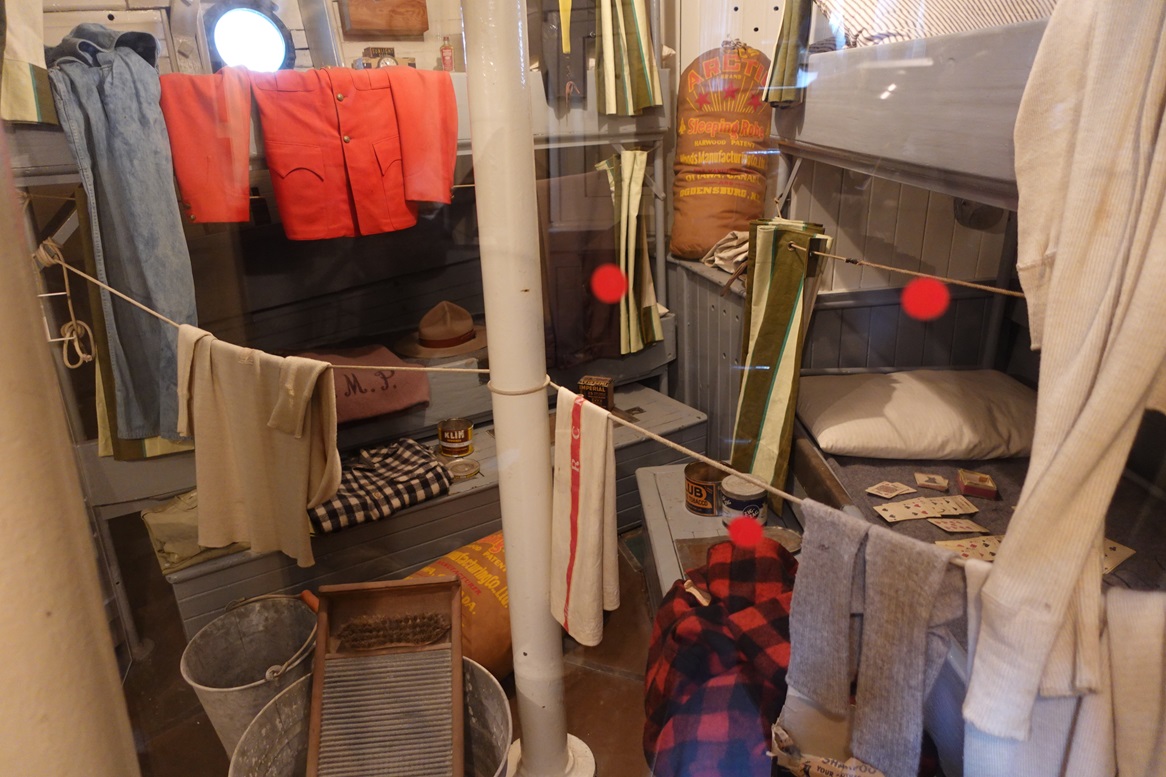
Crew´s quarters onboard the St. Roch.
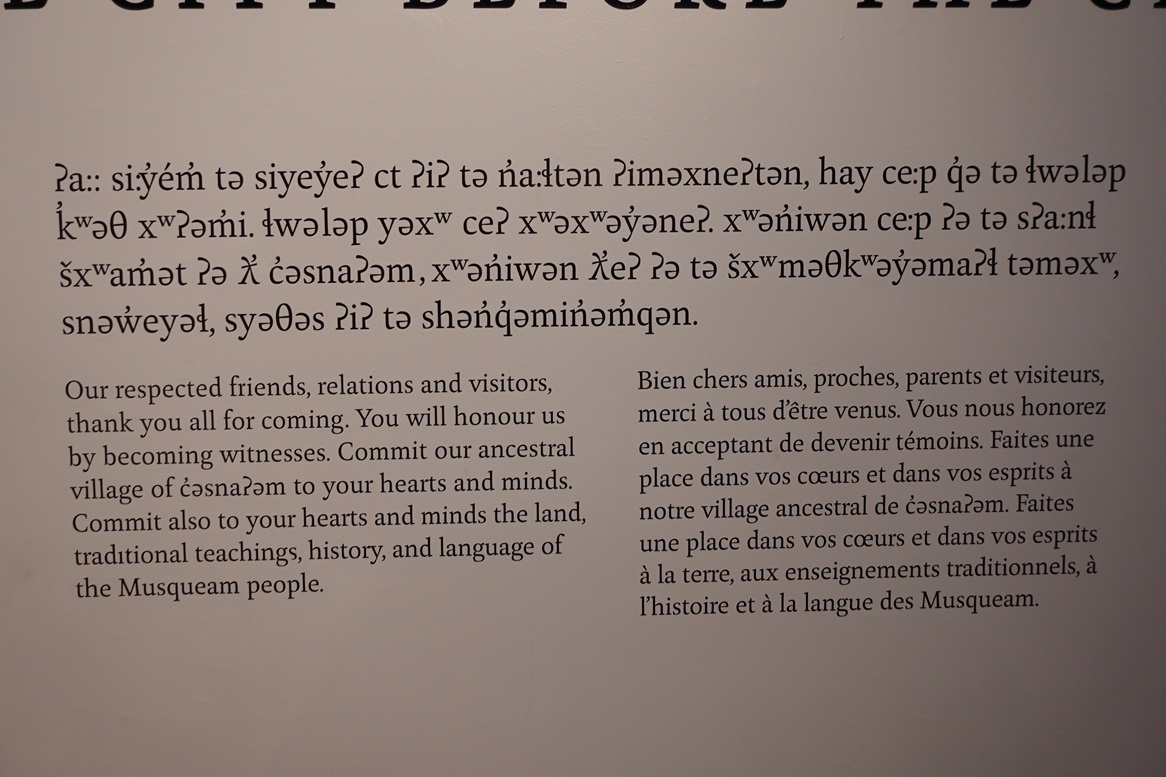
The Vancouver Museum has an excellent and detailed display about the original inhabitants of the area which is now the city of Vancouver. This is how the spoken language of the Musqueam people is transcribed. Videos reveal that this and other native languages are still spoken, and the people attempt to assert their cultural presence, despite a history of oppression and prejudice.
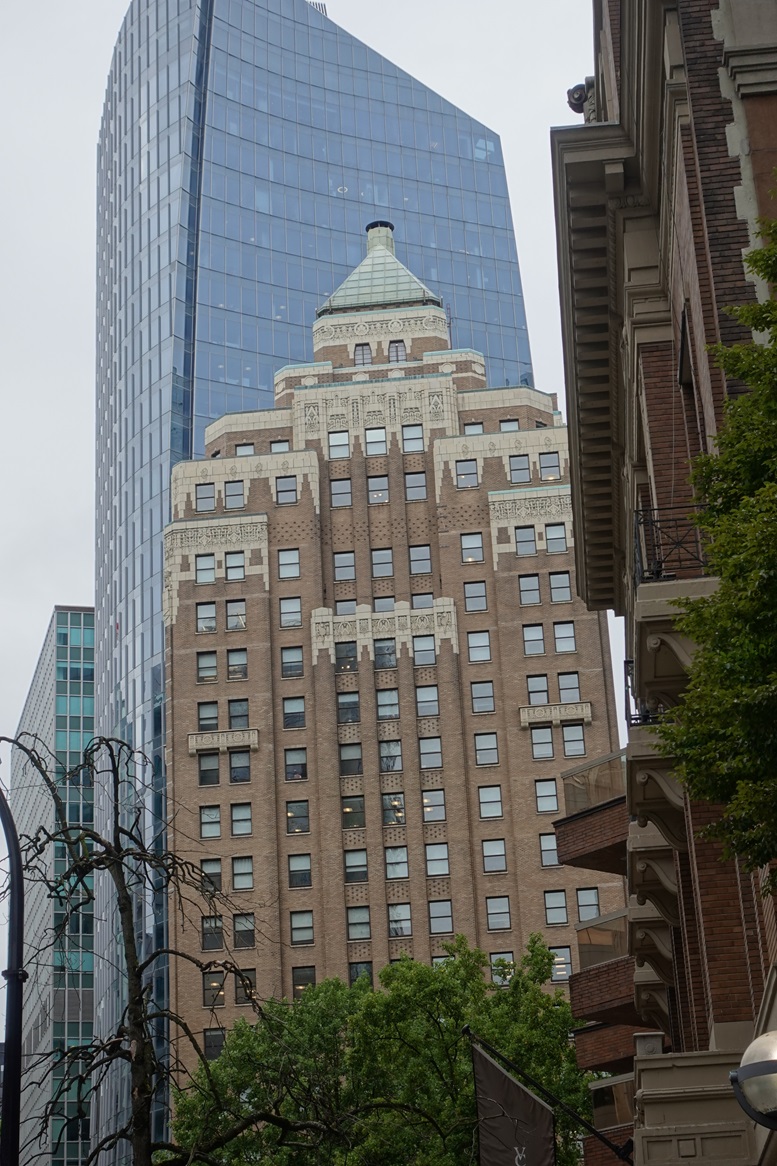
Vancouver´s architecture is a mix of old and new, stylish high-risers and compact modern condominiums.
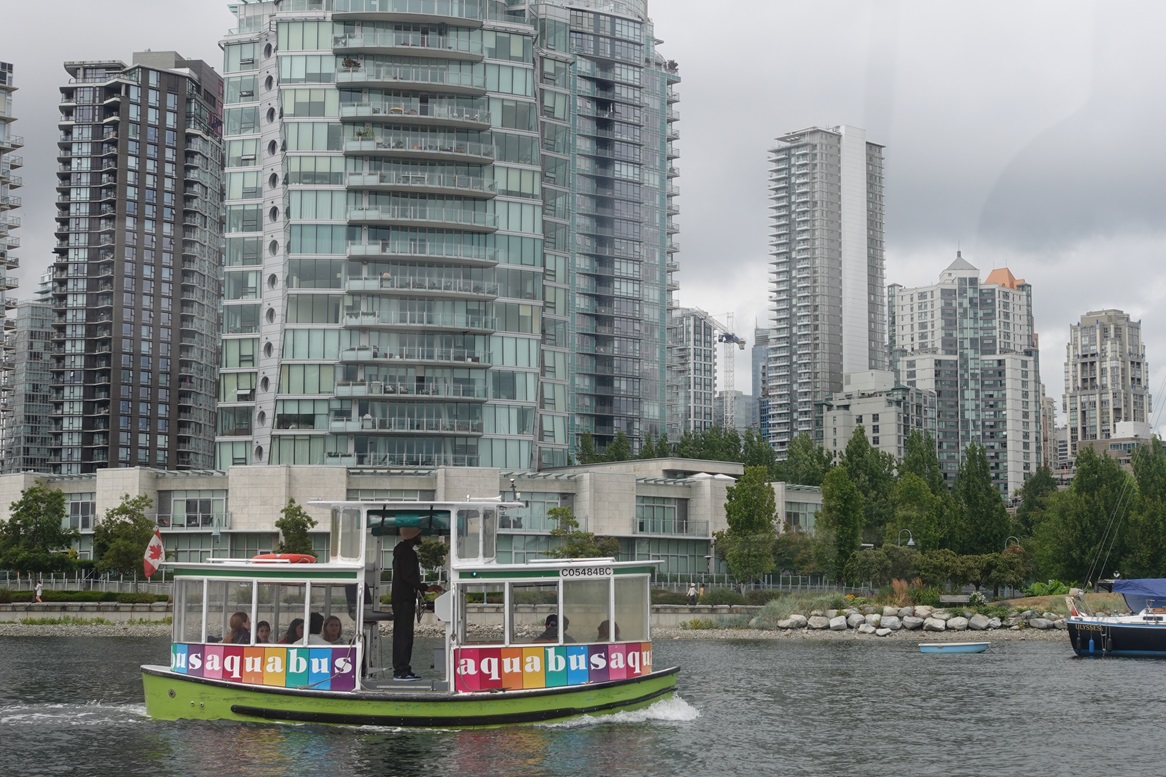
A fun way to get around the southern shore of Vancouver is this ”False Creek Ferry” service. These tiny boats navigate the inlet, around luxury yachts, bridge pylons, and other vessels, under the line of stylish high-rise apartment blocks.
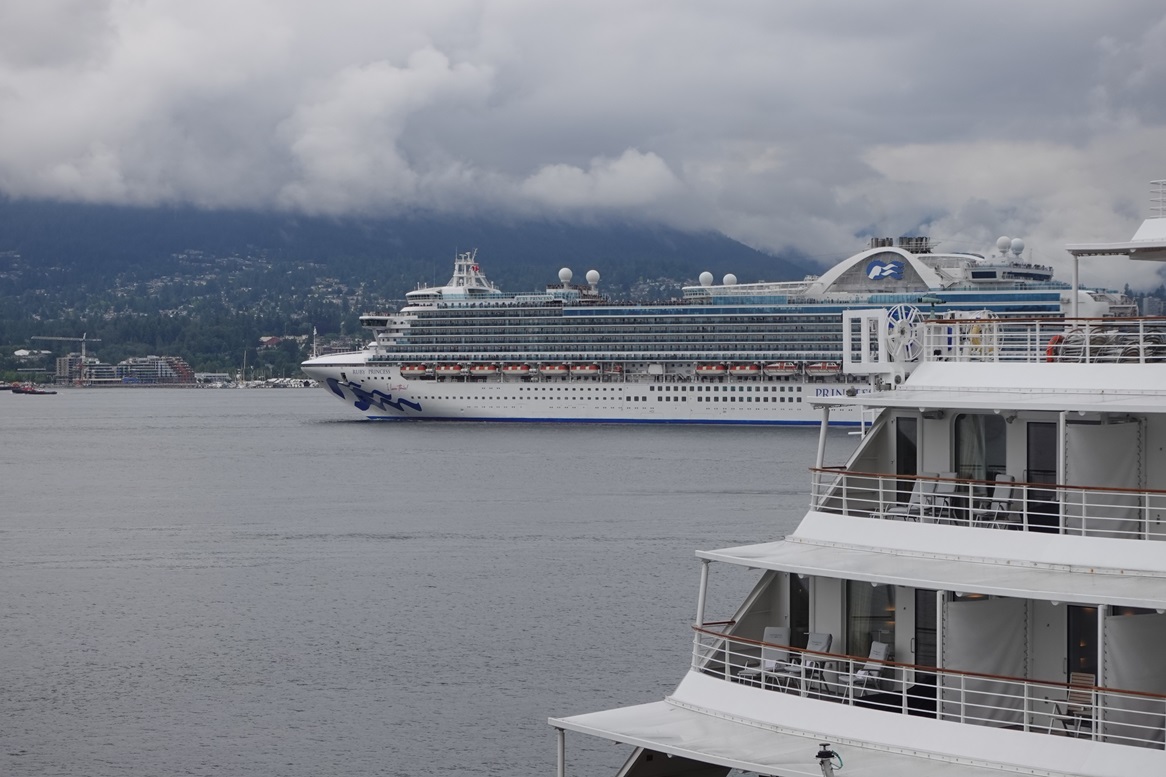
Cruise ships head out for Alaska from this busy port. In the 19th century, Vancouver was the starting point for the goldrush along the Yukon River, further north.
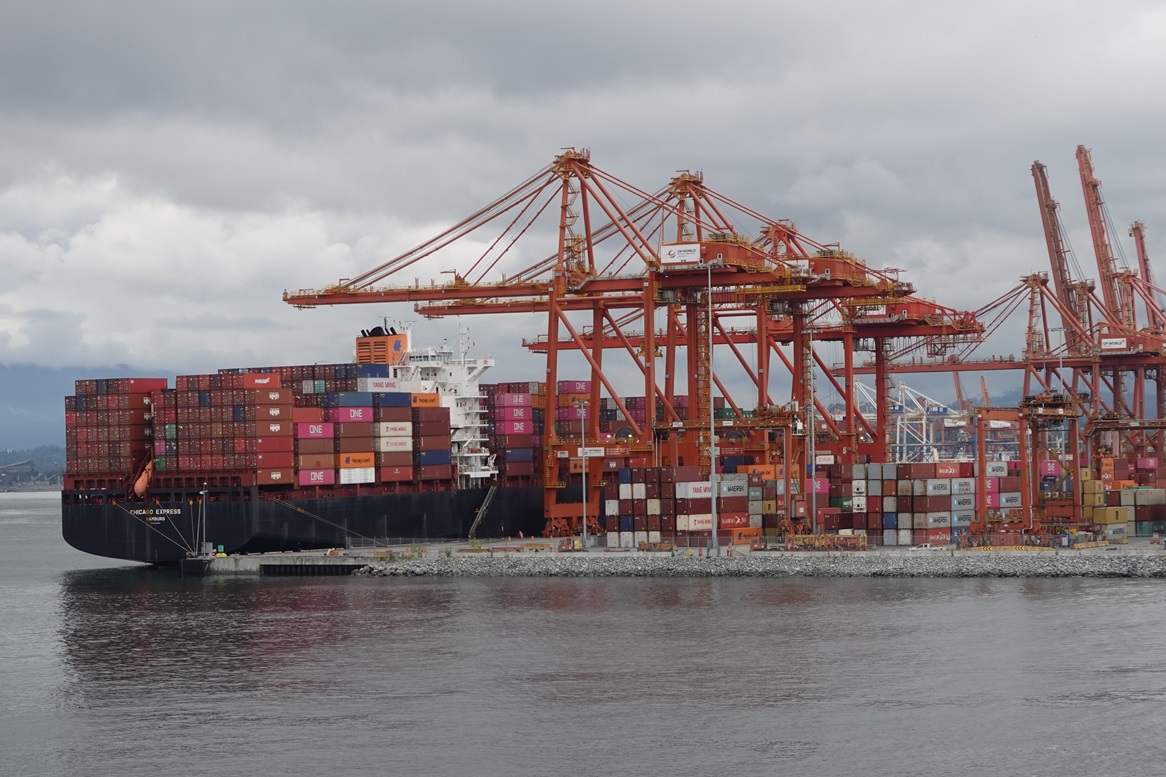
A container ship is simultaneously unloaded and loaded as we watch. Vancouver´s success is due to its natural harbour and as a hub for the export of the abundant resources of the region, such as timber and minerals.
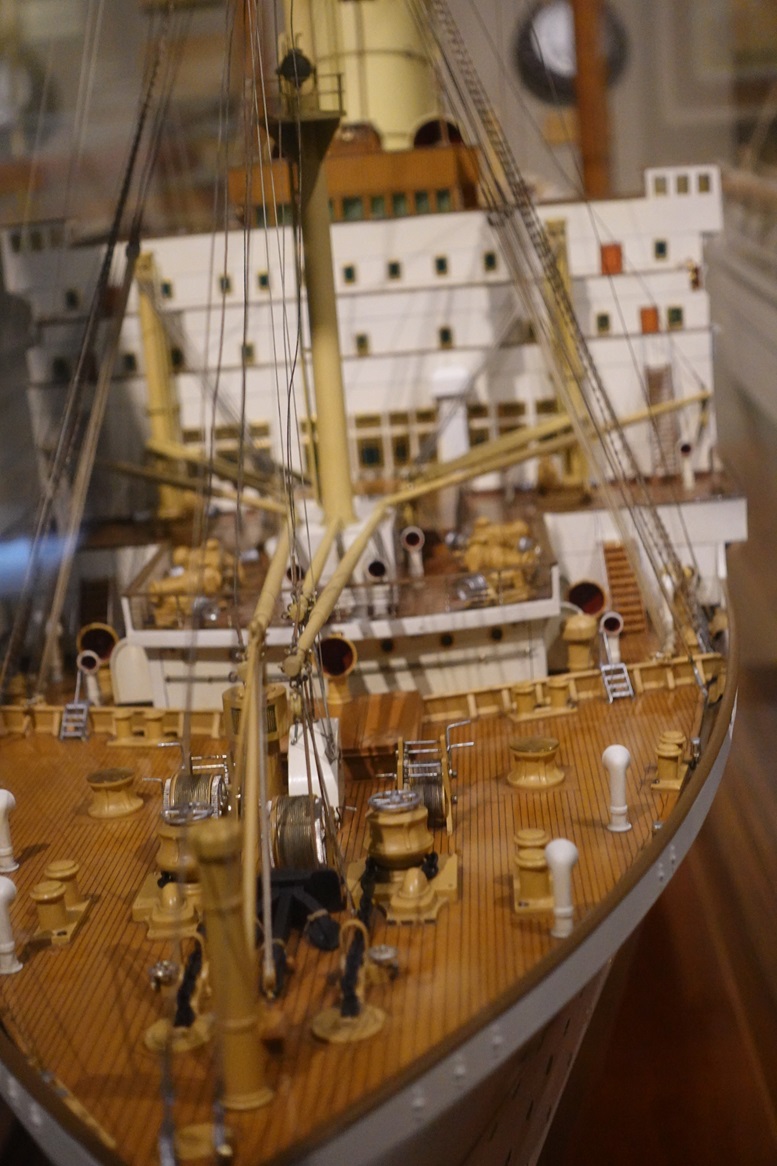
Model of The Empress of Japan II. It was constructed in the 1920s and took over 8000 hours of work.
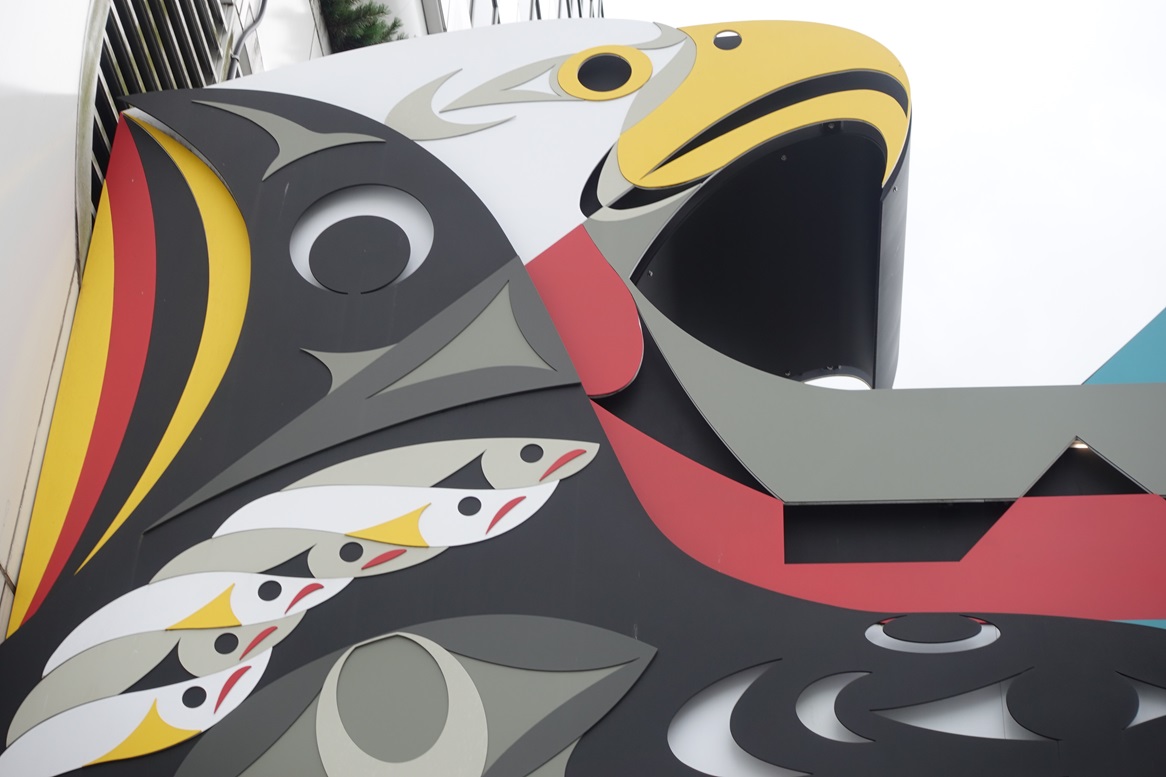
This beautiful artistic work is displayed on an arch at the entrance to the Vancouver cruise ship terminal. It is entitled the ”Salish Sea, the Journey Within”. The eagle of the west and the east protects the people of this land and water. The eagle represents grace and power and is sacred.
Travel Diary
We arrive at the modest Vancouver Museum, where we view lovingly detailed displays of Indian native populations, their languages, and how they are still struggling for their place in the modern society. Their message is that they do not want to take, but be accepted and recognised as a vibrant, extant culture. There had been a fire in 1886, which had completely destroyed the wooden town. When the residents fled into the cold water to escape the flames, Indians from across the water came across in their canoes to rescue and provide aid to them. The history talks of the importance of trade, since Vancouver is the largest port on the west coast, providing a waystation for fur traders and goldrush aspirants alike. Later, we verify the scale and importance of the harbour when we visit the Coal Harbour, where there are the cruise ship dock and the container loading dock nearby.
We then walk the short distance to the Maritime Museum, also modest in scale, but full of history. The main display is the schooner RCMP St. Roch. RCMP stands for Royal Canadian Mounted Police. This was the first ship to completely circumnavigate North America, passing through the Panama canal, and the second to transit the North-West Passage, the first being the Norwegian Roald Amundsen in 1903-6 in the sailing vessel Gjøa, But the St. Roch was the first to do it in both directions.
Next we pass through the small but picturesque marina to catch a pint-sized False Creek Ferry, operated by a charming Sub-continent Indian, later a Chinese when we change boats. There are many of these tiny craft plying tourii to various stops along the way to the final station The Village, where there is the Science Centre. We buy some cherries from a friendly young man, who may have been from Afghanistan, or somewhere like that. We view an intriguing ball mobile contraption in a glass booth outside the Science Centre. Balls of different sizes ringing bells and xylophones as they pass along routes under gravitational potential power.
Then we take the Transit Skytrain across town to the northern side, Waterfront, where we walk along the Cruise Ship pier. There are two ships preparing for departure, and a third already underway. One for sure was heading for Alaska, and Laurie and Craig, Cindy´s sister and husband, had done this earlier this year for 5 days. We view an enormous container ship being simultaneously loaded and unloaded, with overhead cranes, but also trucks bringing and taking away the containers. There is a mini airport for a squadron of seaplanes taking off with sightseers. Two very noisy helicopters also take off while we were there.
We walk the busy Howe Street back to our hotel district, again striking us in its contrast to the uptown, in its number of drug addicts and homeless, in pretty desperate condition. We dine in the Mexican restaurant across from our hotel (77$CAD = Fr55), before strolling down to see where the T skytrain station is for the first leg of our journey to Victoria. Here we find a proper supermarket, but fail to find the needed milk powder to complete our rationing system.