Asia and Australia 2025
Day 15: Friday 20 June 2025
Kobe – Osaka
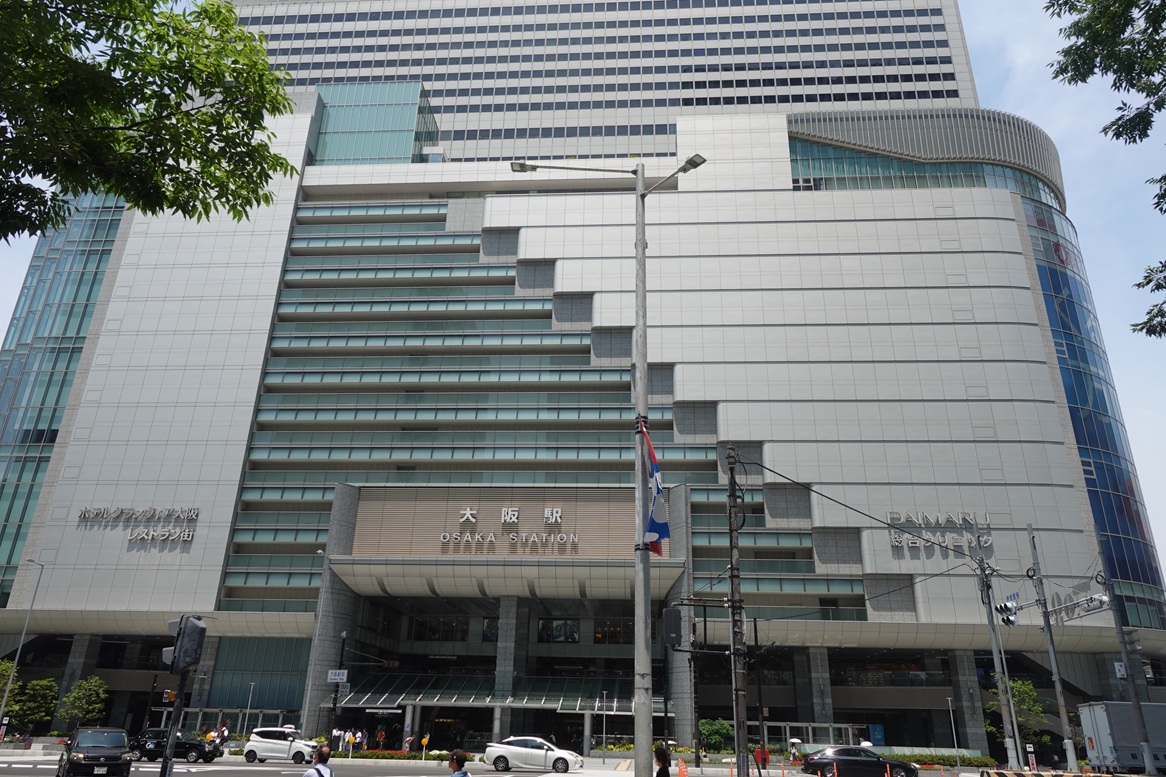
Osaka main train station
Actually two stations in the one complex, Ōsaka Station and Umeda Station, but together make the busiest station in Western Japan, serving 2.5 million passengers each day. It is the fourth-busiest railway station in the world. The first station at the site opened in 1874. The line was electrified in 1934. The current high-rise structure was completed in 1983, and the new north station building opened in 2011.
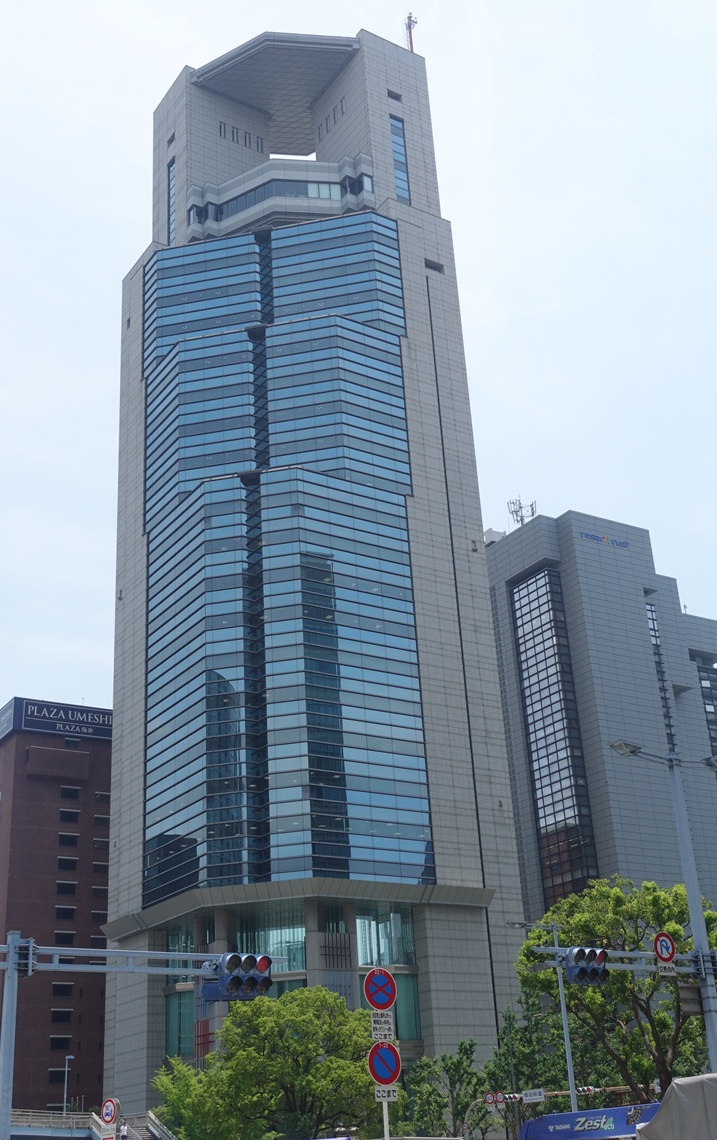
Osaka downtown skyscraper
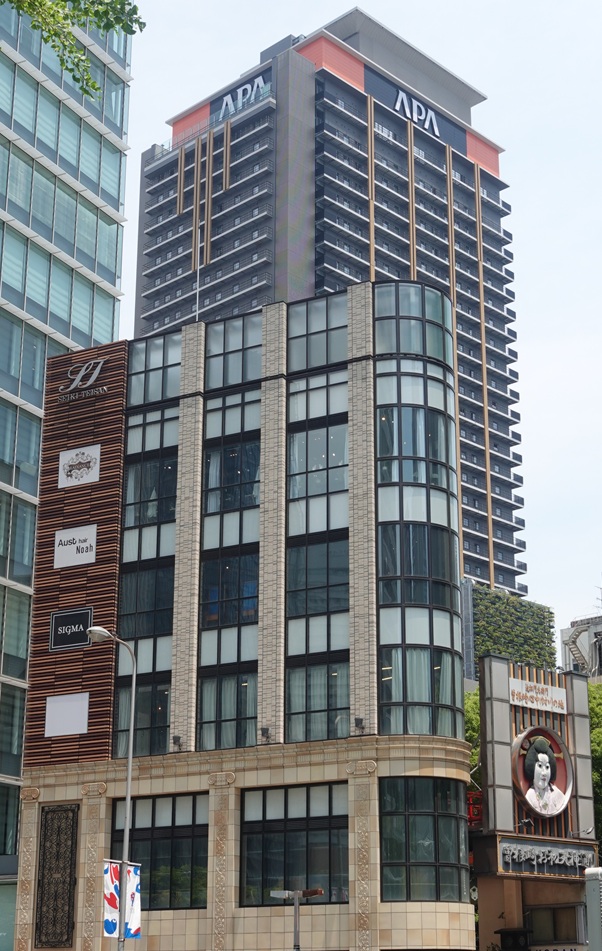
A strange mix of old and new styles
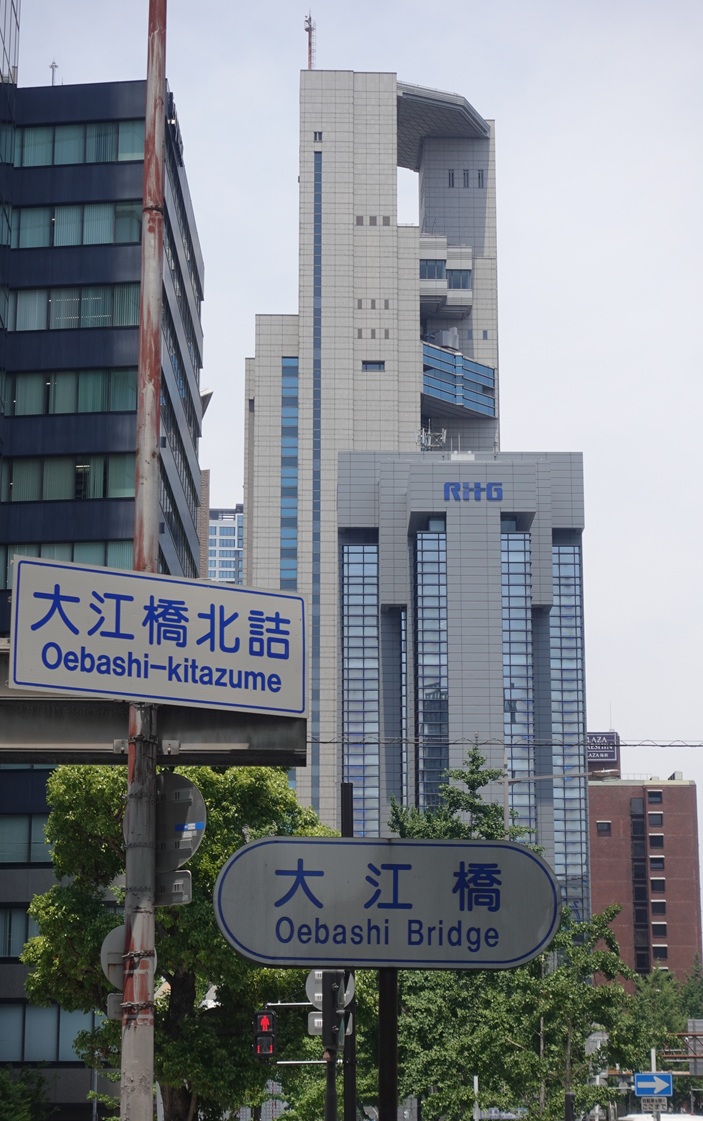
Curious looking building
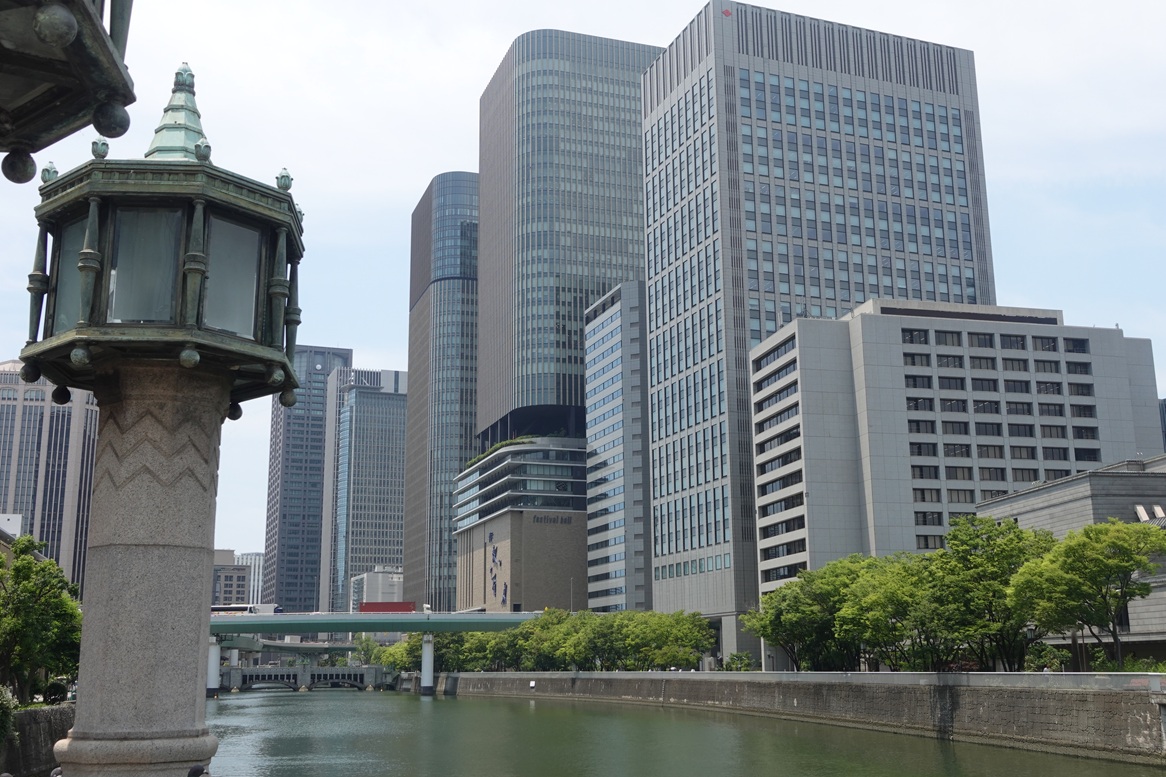
Riverfront
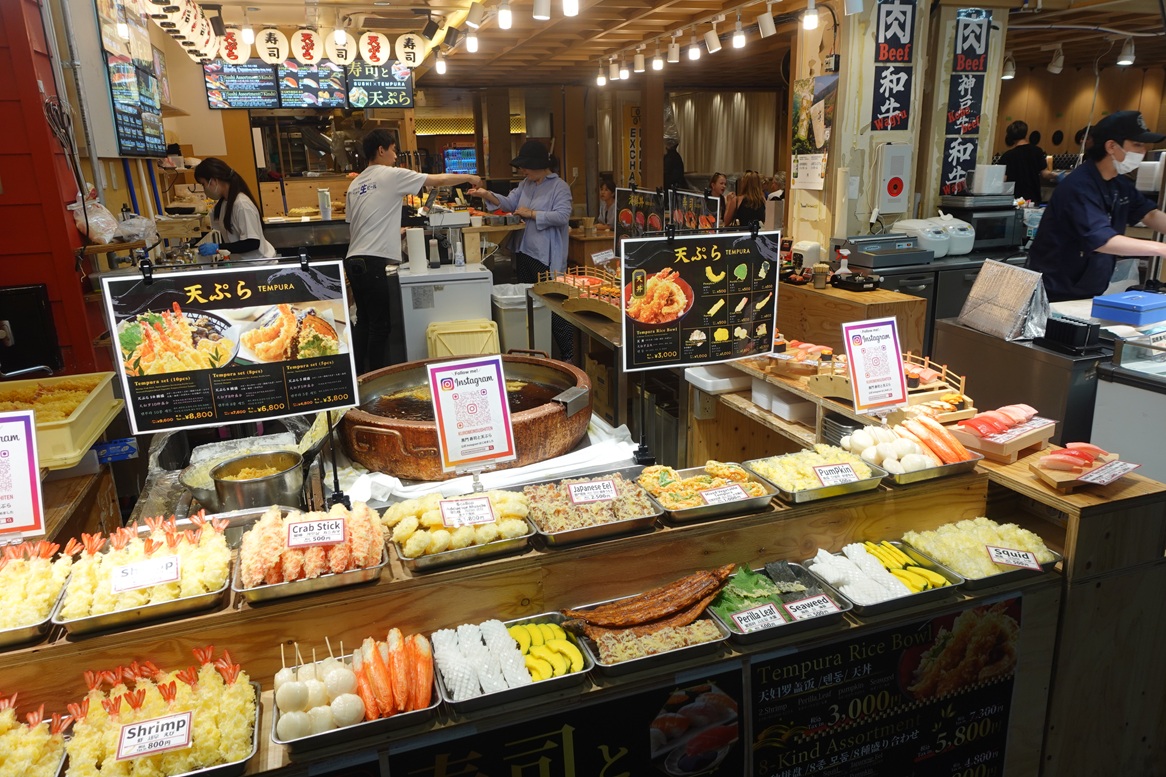
Osaka food store
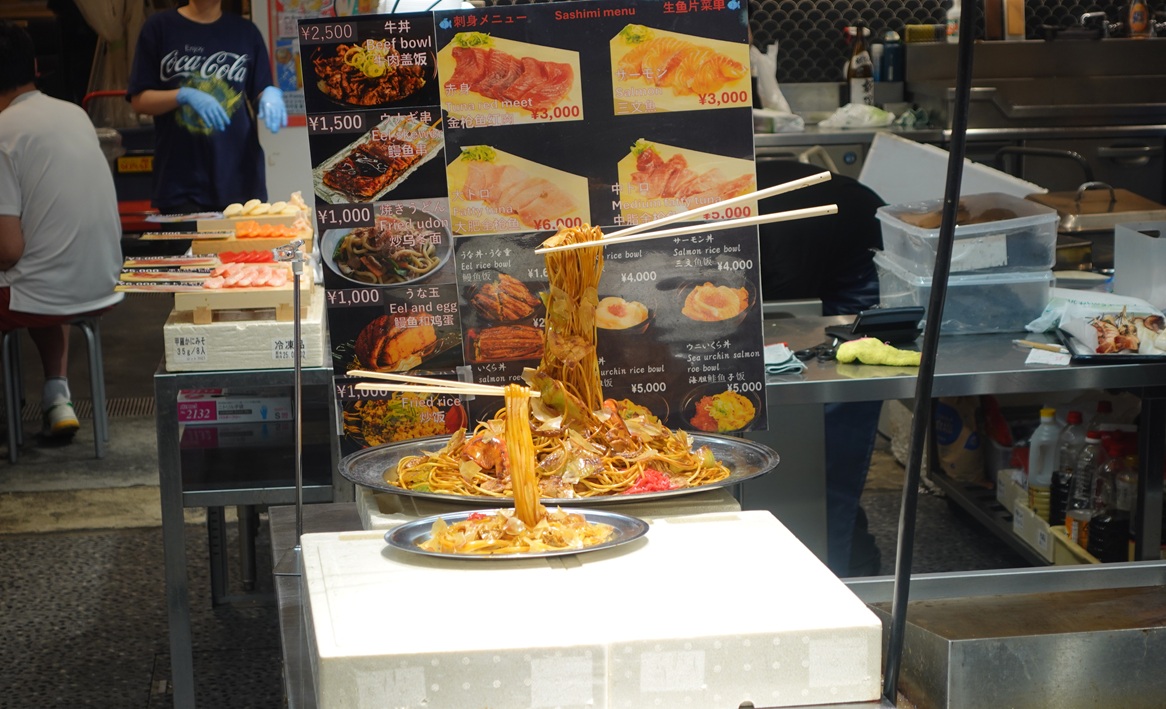
These floating chopsticks seemed to defy some law of cuisine
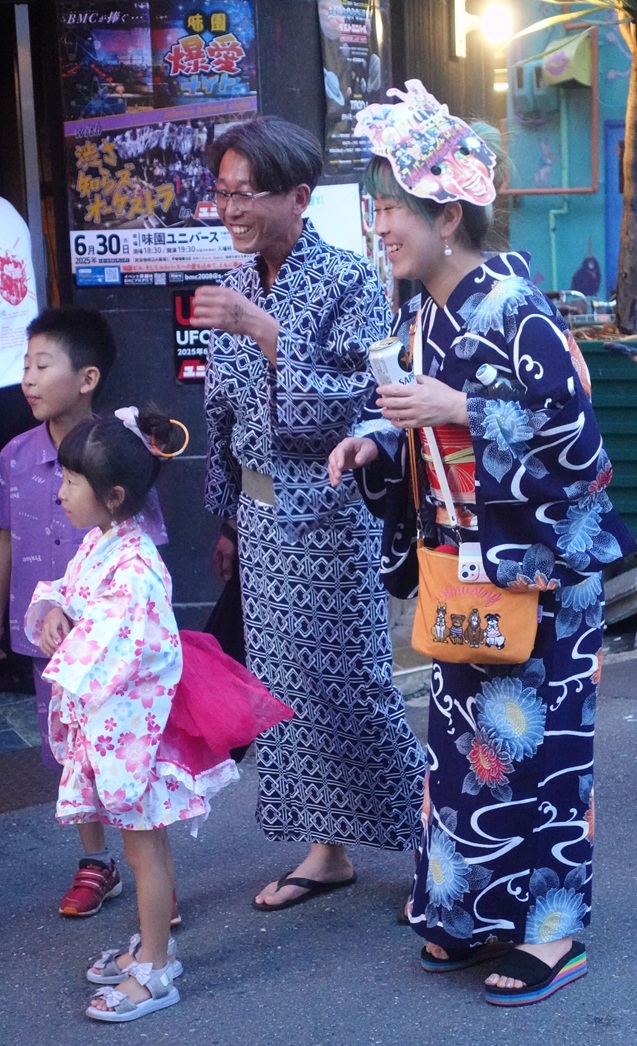
This Japanese family was out in fancy dress.
The Dōtonbori district is centered on a canal, which has pedestrian only sidewalks, backdropped on both sides by high buildings displaying garish and brightly lit billboards. It is a huge tourist draw, and on this comfortably warm Friday night, during the World Expo, locals and foreigners were out in force.
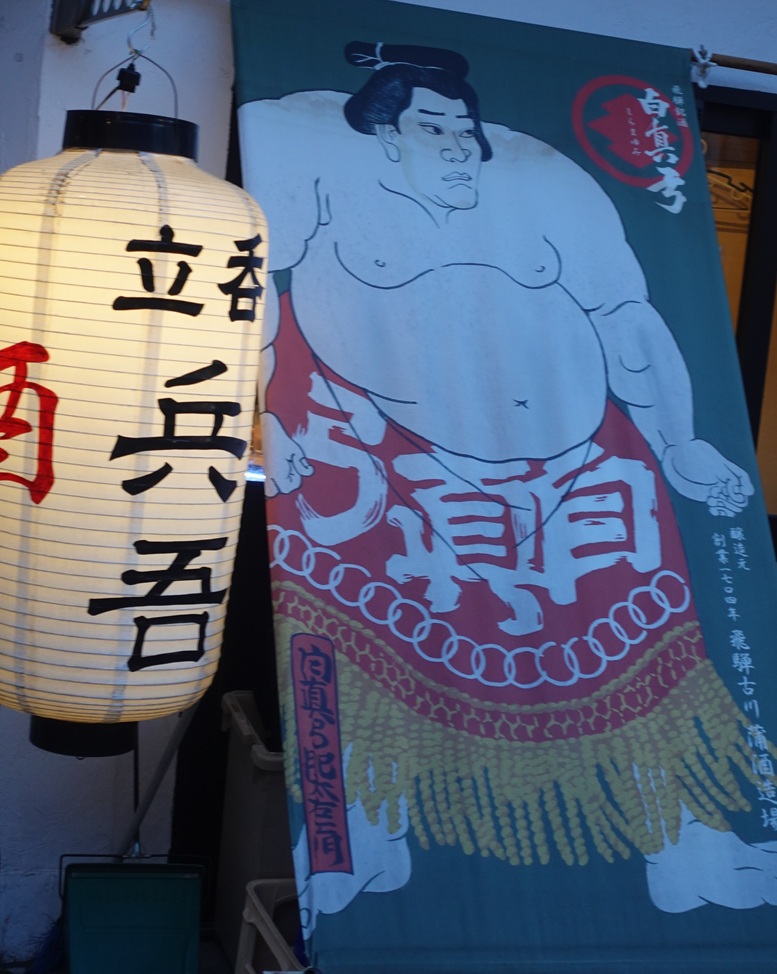
Sumo wrestler image on a poster outside a restaurant. No idea what he is advertising, but it could be something akin to “Dieters Beware!”.
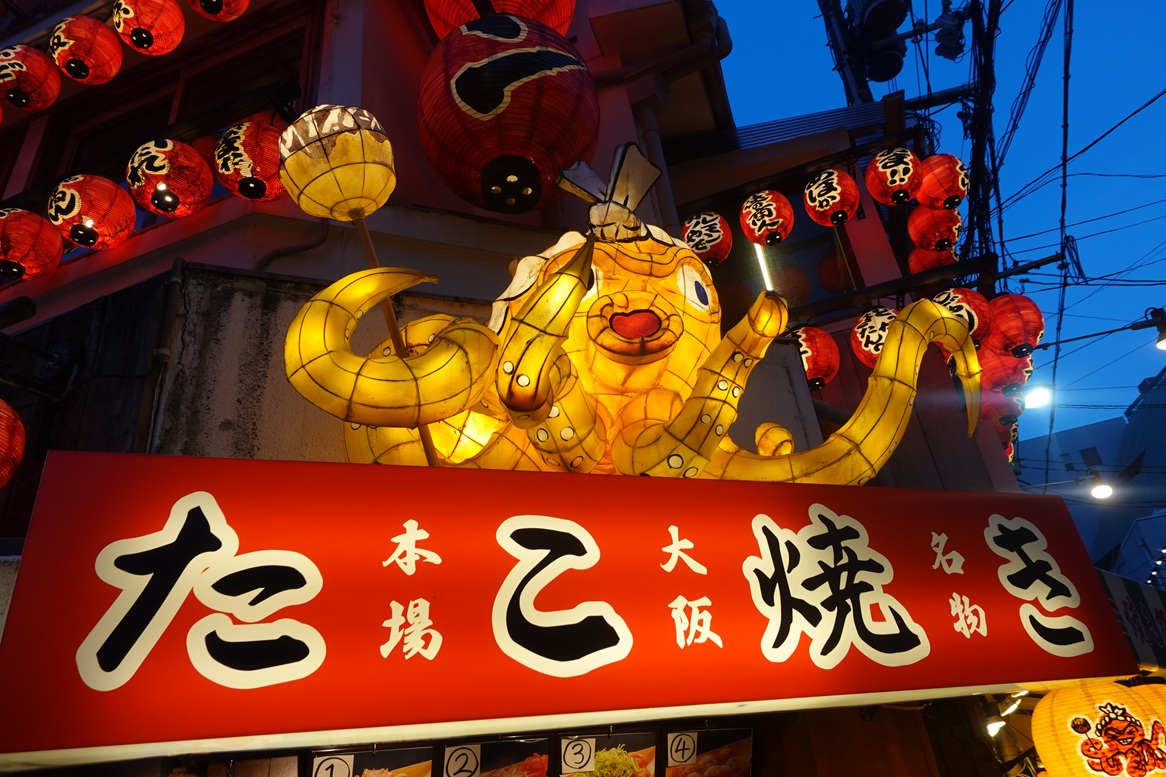
I am not sure what this restaurant was offering, but I am leaning towards seafood.
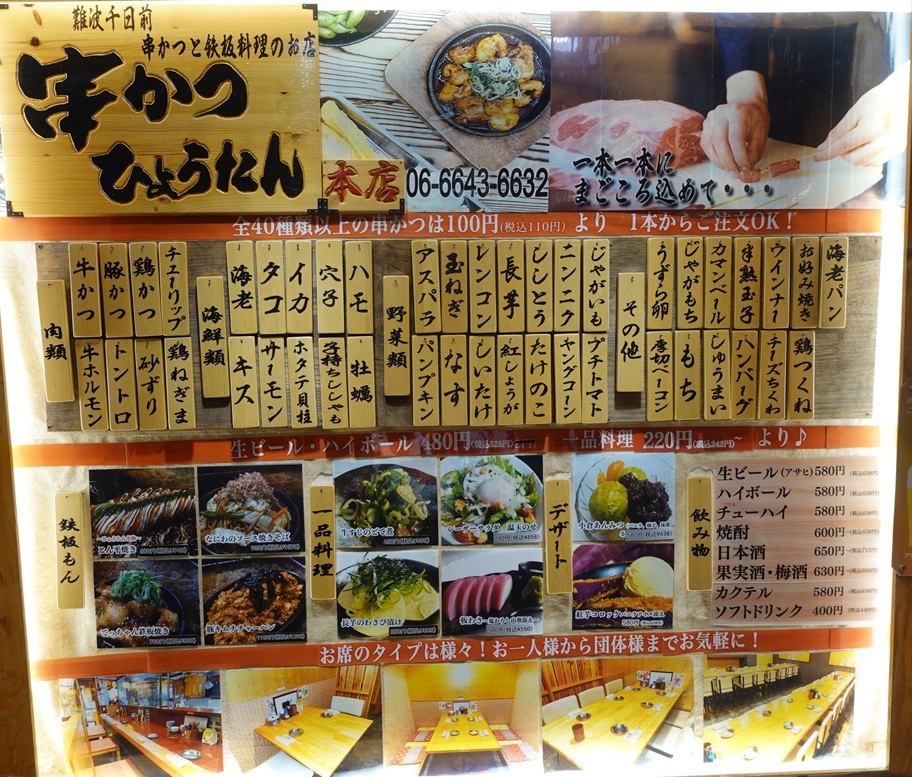
A board outside a restaurant.
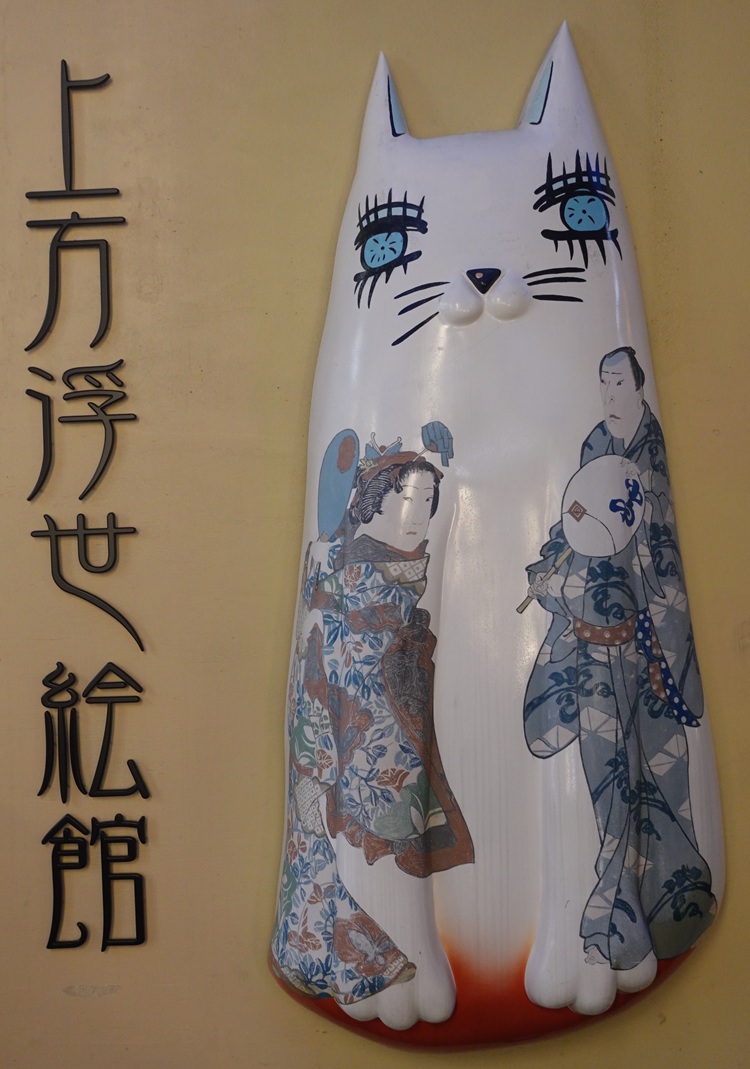
A welcoming cat at the city art museum.
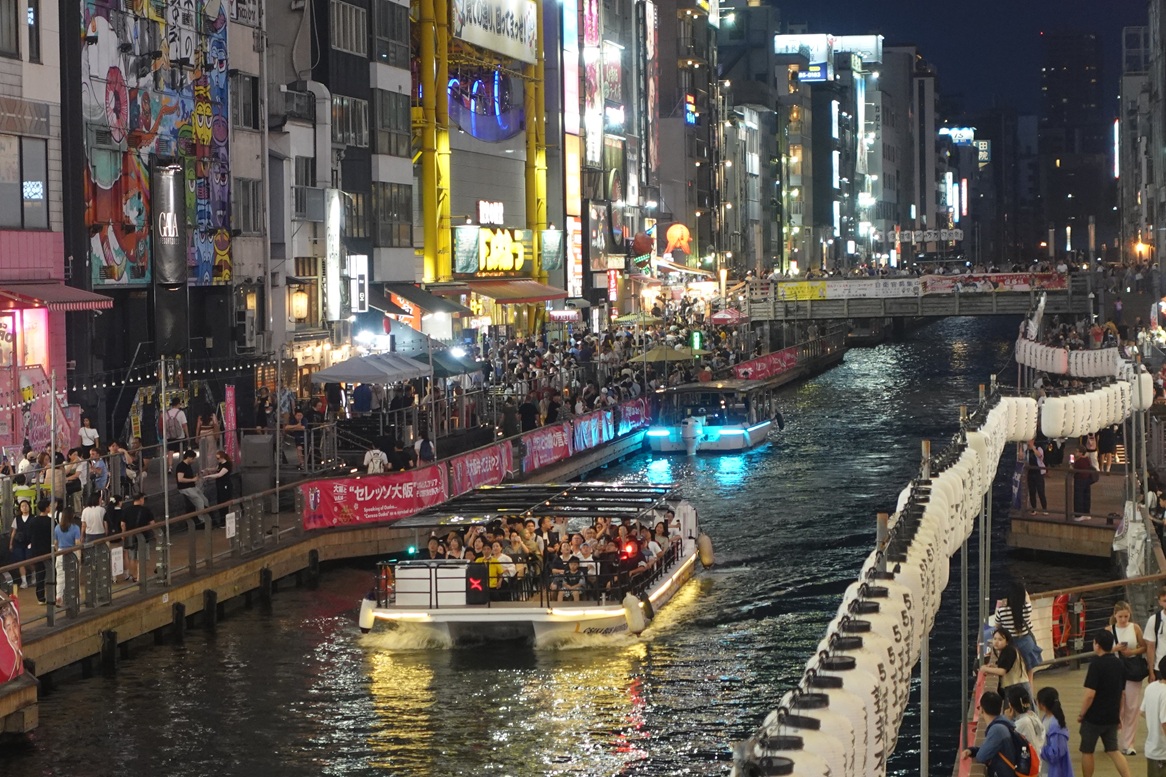
The canal in Dotonburi has a thriving nightlife scene. It began in 1612 when the canal construction was started by the administrator of local canals, Nariyasu Dōton. Almost immediately, Osaka was besieged in 1615, during which the Japanese Tokugawa shogunate defeated the Toyotomi clan. The new ruler, Matsudaira Tadaaki, took over Osaka Castle and named the canal Dōtonbori (“bori” from “hori”, meaning “canal”).
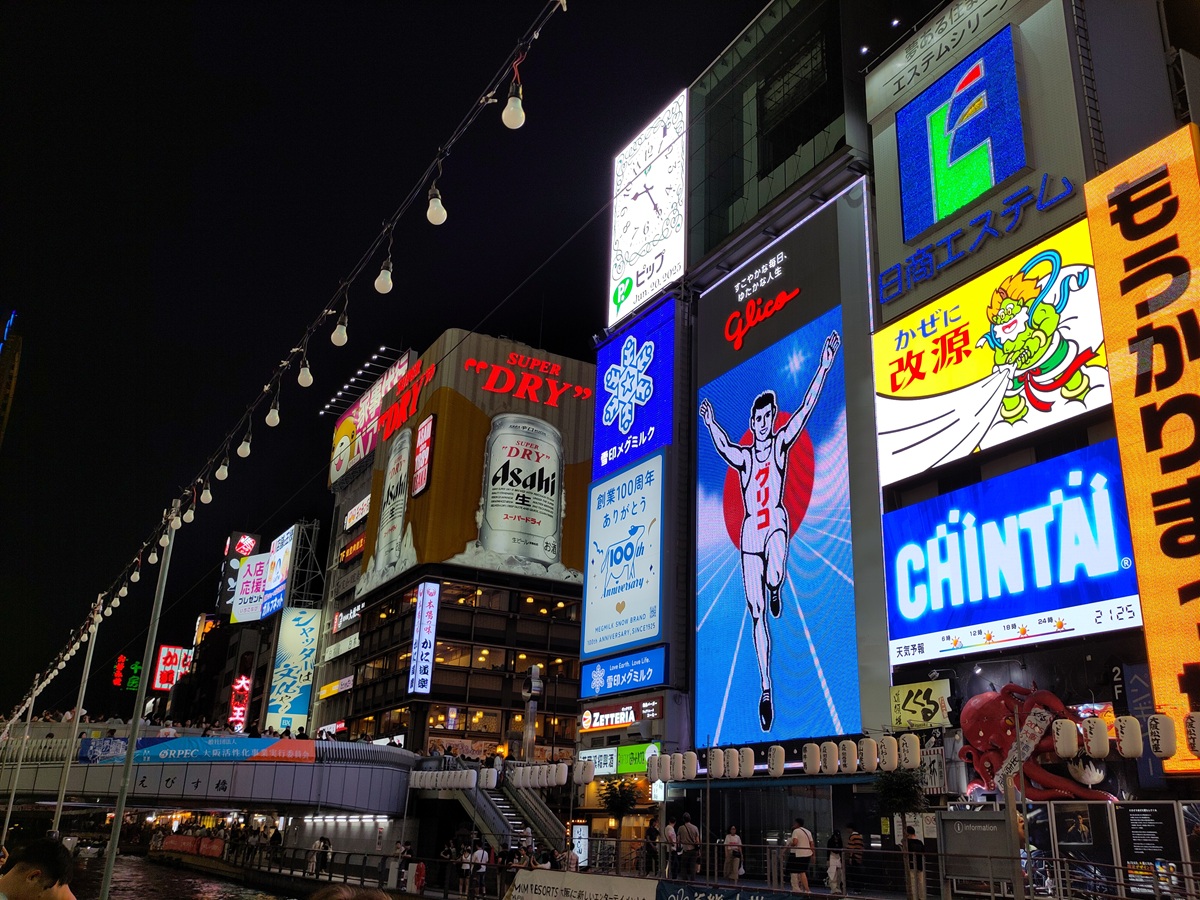
The billboard of Glico Man, which has become an icon of Osaka. The original was erected in 1935, as a promotion for Glico candy. The image has been adapted to suit current events, such as the World Cup, and to support the Osaka baseball team, the Hanshin Tigers. The current edition is the sixth, installed in 2014, and uses LEDs.
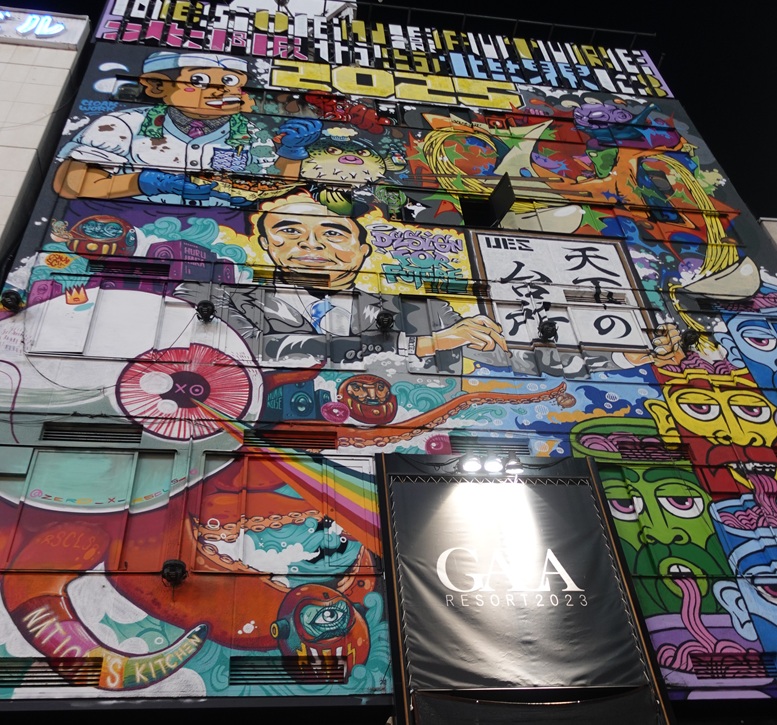
The buildings along Dotonburi canal are festooned with all sorts of billboards and promotions.
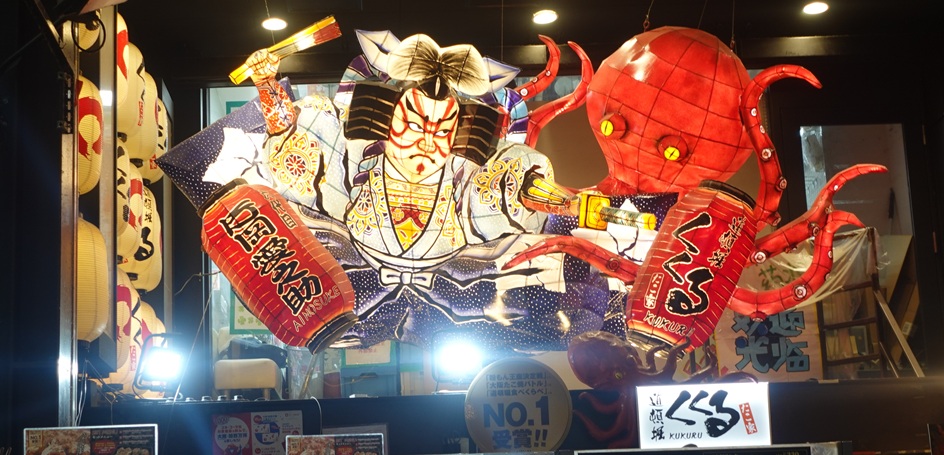
Restaurant advertisement.
The Dotonbori district is famous for its restaurants resorting to elaborate billboards and even moving figures to attract customers. It is a mecca for restaurant-goers from all over the world. A speciality is Japanese beef or wagyū, which means simply ´Japanese cattle´, which is among the most expensive meats in the world. It has streaks of fat, called marbling, making it tender and moist. Some regions attribute their name to the varieties: e.g. Kobe beef (from Tajima cattle), Yonezawa beef and Ōmi beef. The change from grazing to an increase in the use of feed has led to a higher fat percentage in the beef.
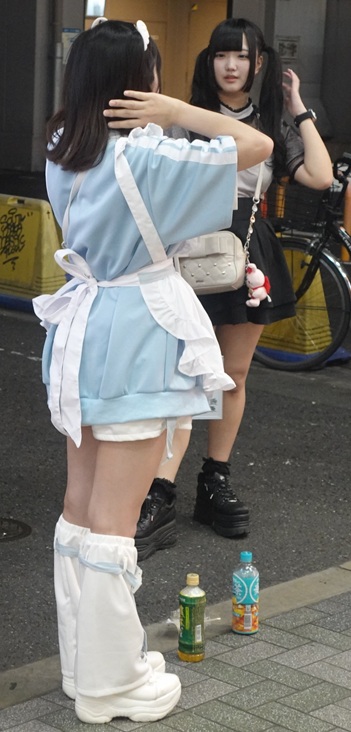
Young fashion in Japan. The area was historically a theatre district, its character has become a popular nightlife and entertainment attraction, boasting a somewhat eccentric atmosphere and fashion senses.
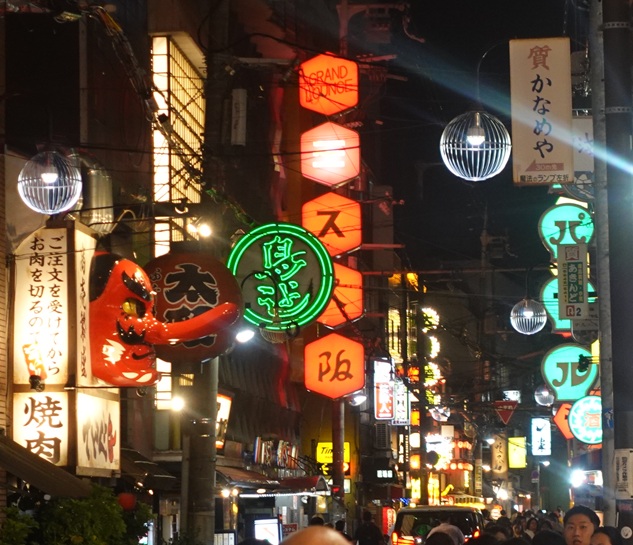
Osaka by night
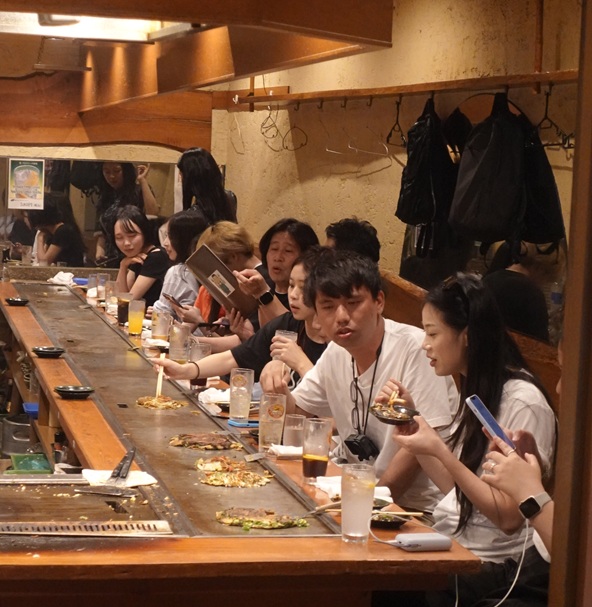
Restaurant featuring Kansai okonomiyaki on an iron griddle.
Okonomiyaki originates from the Hiroshima and Kansai districts, but is a popular dish all over Japan. It is a type of savoury pancake cooked by the customer on a hotplate, or griddle, at their table. Along with wheat flour batter and cabbage, it can have many different ingredients, including any type of meat, and toppings, such as okonomiyaki sauce (made with Worcestershire sauce), aonori (dried seaweed flakes), katsuobushi (bonito flakes), Japanese mayonnaise, and pickled ginger.
Travel Diary
gomen nasai
are wa nandesuka?
nihon, nihongo
kore wa nandesuka?
nihongo wo benkyö shiteimasu