Asia and Australia 2025
Day 17: Sunday 22 June 2025
Osaka – Nara
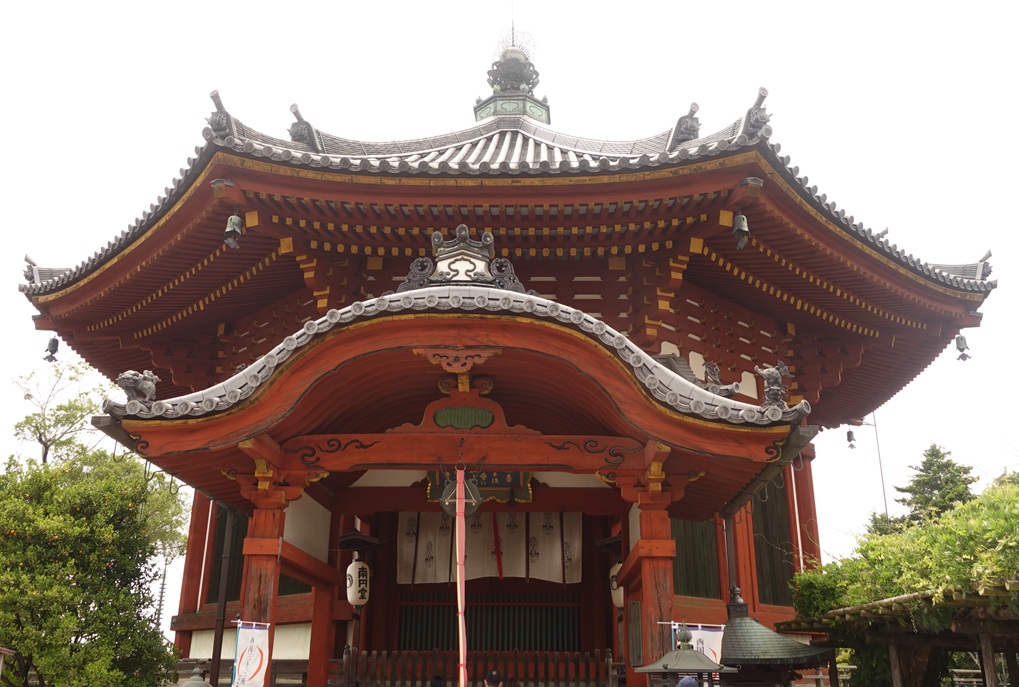
Kōfuku-ji Nan-endo (southern round hall) is an octagonal shrine in the Nara Kōfuku-ji park. This is part of a pilgrimage route, the Saigoku Kannon Pilgrimage (Saigoku Sanjūsan-sho), which comprises 33 Buddhist temples throughout the Kansai region. Each temple holds an image of Kannon, or Bodhisattva of Compassion. Pilgrims traditionally wear white clothes and conical straw hats, and carry a walking stick. Some pilgrims obtain a stamp and calligraphy, testifying their arrival at the temple, on a wall scroll, or even on their white clothing, with the intention of being cremated in them.
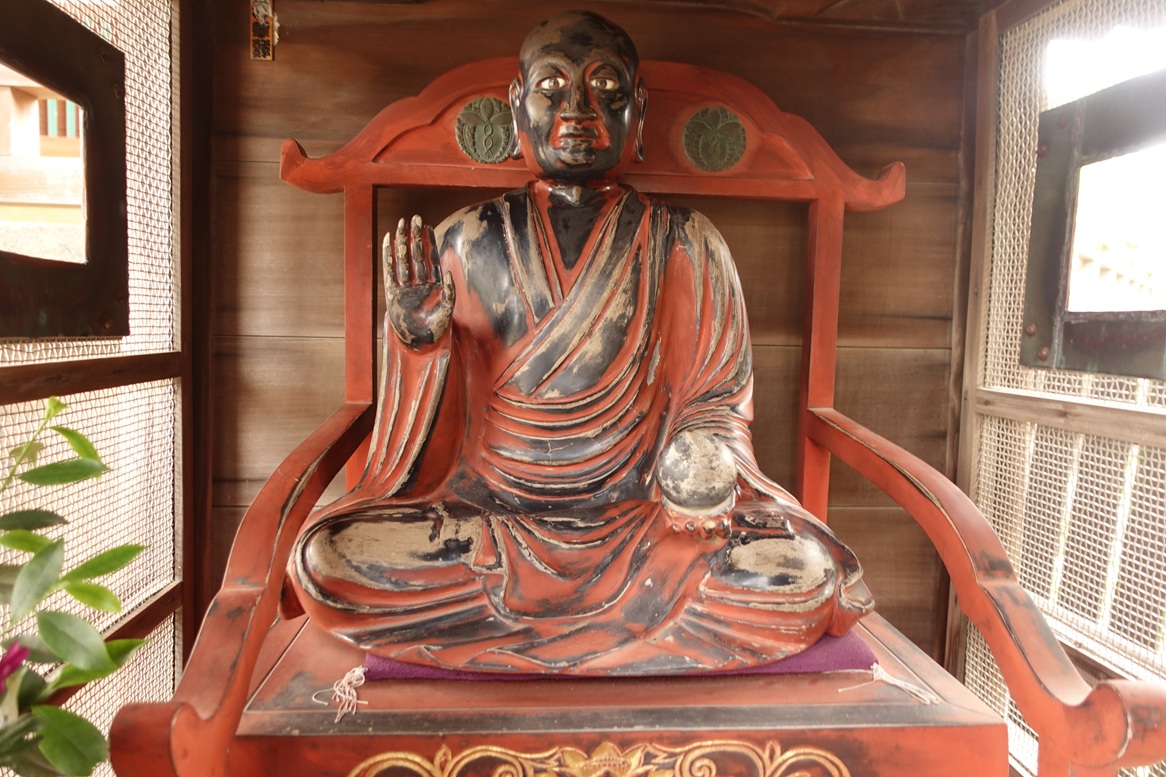
This image of a holy monk was set aside from the Kōfuku-ji Nan-endo, in its own little cubicle.
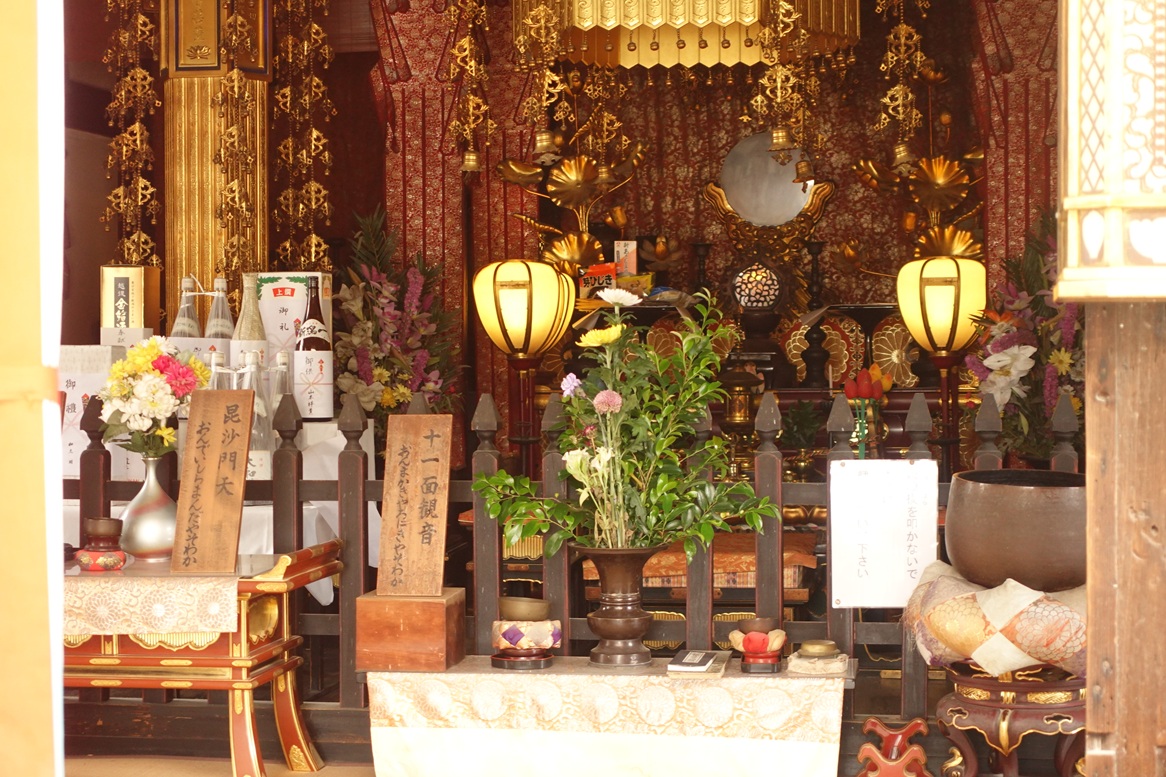
Kōfuku-ji Nan-endo interior. This temple is one of the 33 Saigoku Kannon of the Kansai region. This is part of the Japan 100 Kannon, a pilgrimage route encompassing two more circuits: Bandō 33 Kannon (Bandō Sanjūsankasho), in the Kantō region; and Chichibu 34 Kannon (Chichibu Sanjūyonkasho), in Chichibu, Saitama. The extra temple was added to the Chichibu circuit in 1525, in order to bring the total to a nice, round 100.
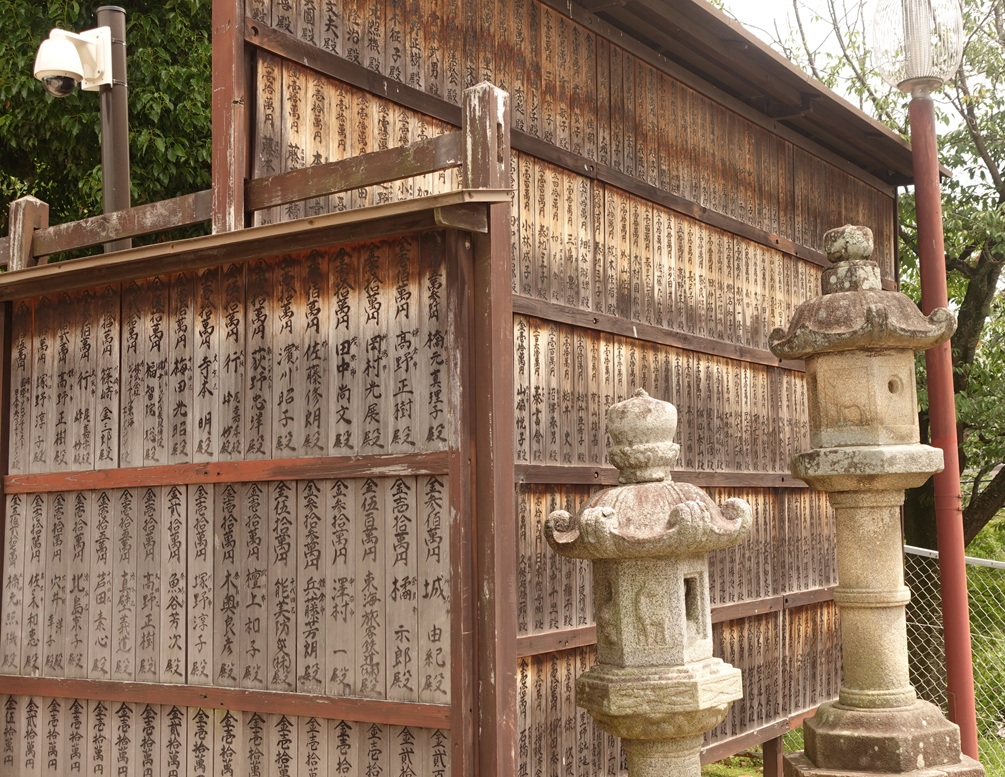
As we have seen before, it is common practice for worshippers to inscribe or write a prayer (or two for the price of one) on a wooden tablet, which is hung on a special rack alongside the temple or shrine.
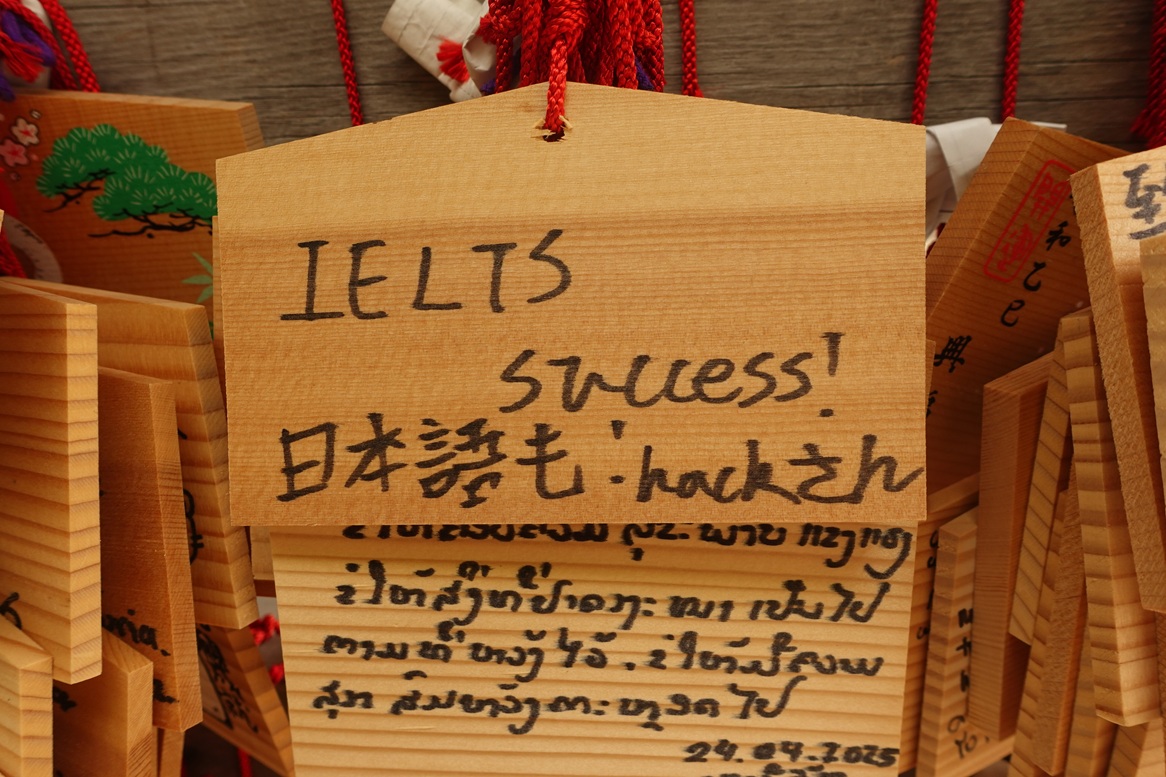
An example of a rather specific prayer request for divine intervention in a worthy quest.
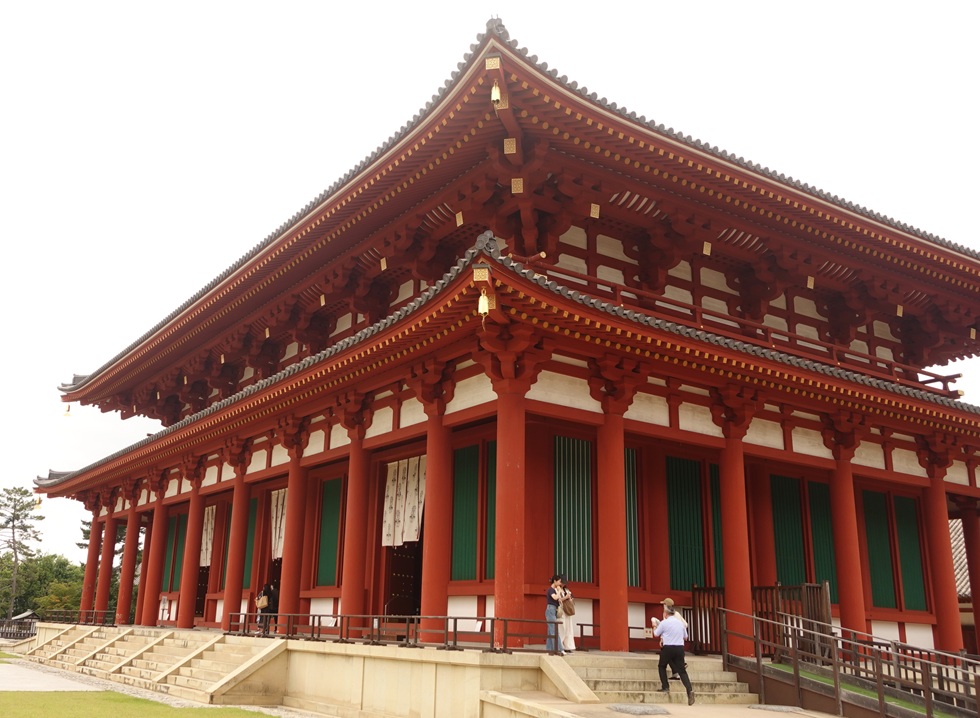
Central Golden Hall, Chū-kondō, Nara
This imposing structure was reconstructed by 2018, after centuries of neglect and decay. Unfortunately, it was forbidden to take photographs inside any of the old buildings.
Until shinbutsu bunri, the separation of Shinto from Buddhism by the Meiji Restoration in 1868, Shinto and Buddhist temples and Shinto Shrines were commonly combined. Shinto gods were interpreted as manifestation of Buddhas, but the end of the Edo Period (1600/1603-1868) led to the more nationalist view that Buddhism was a foreign import, and Shinto was the native religion, and should be distinct.
The Kami and Buddhas Separation Order, Shinbutsu Hanzenrei of 1868 led to a violent anti-Buddhist movement, forcing the closure of thousands of temples, confiscation of Buddhist land, and the disrobement of monks, or forced conversion to Shinto priests. Many books, statues and other Buddhist artefacts were destroyed, and bells were melted down to make bronze cannons.
The process was not complete, and today some overlap of the two religions is evident still. Major Buddhist temples, like the Chū-kondō in Nara, retain small shrines for Shinto kami, and Buddhist figures of the Bodhisattva Kannon are revered in Shinto shrines.
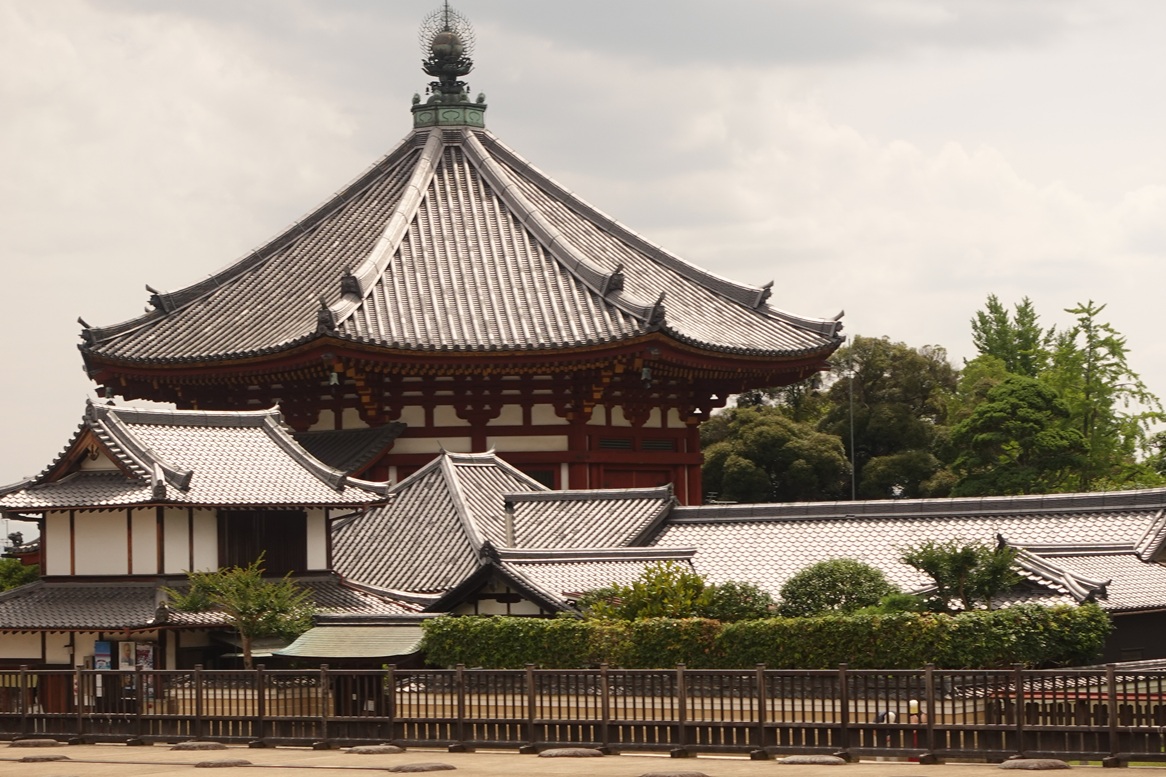
A cluster of temple buildings in Nara, showing the typical, traditional roofing style.
As many as 84-96% of Japanese are estimated to “subscribe to Shinto”, which means they are affiliated with a temple, rather than actual believers. In fact, many Japanese practice both Shinto and Buddhism, or describe themselves as non-religious or spiritual. Religious festivals are well-frequented.
Only 1-1.5% of Japanese are Christians, a sharp contrast to Korea´s 29.2%, and less than 0.2% are Muslim, mainly foreign-born.
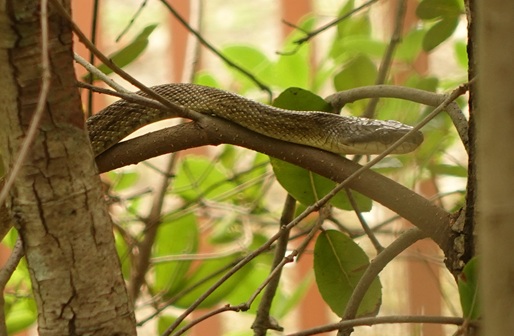
The temple complex is at the western end of a very extensive park, Noborioji Park. As we wandered around, we chanced upon this slim snake, which was moving among the branches of a hedge around a building.
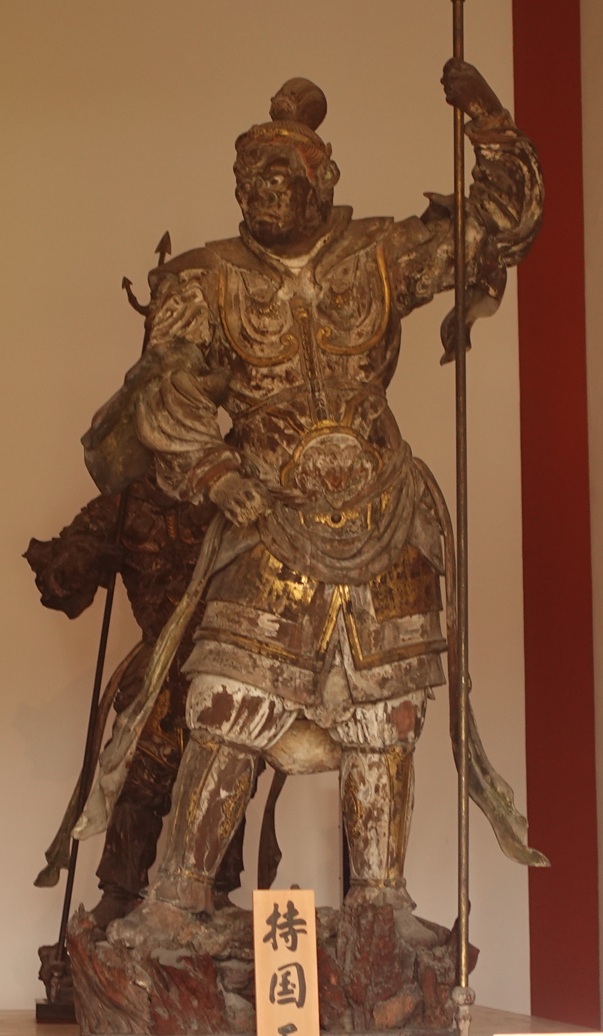
In the Nara Kofukuji Temple National Treasure Museum can be viewed statues dating back to the 8th century.
The statue of Buddha in the Central Golden Hall, Chū-kondō, is the largest bronze statue of Buddha in the world. It is surrounded by 8 smaller statues. Among these are fierce figures, known as the four Heavenly Kings, dating from the Kamakura Period (13th century). Two metres tall, these joined wood-block statues represent figures from Indian mythology incorporated into the Buddhist pantheon as protectors of Buddhist teaching.
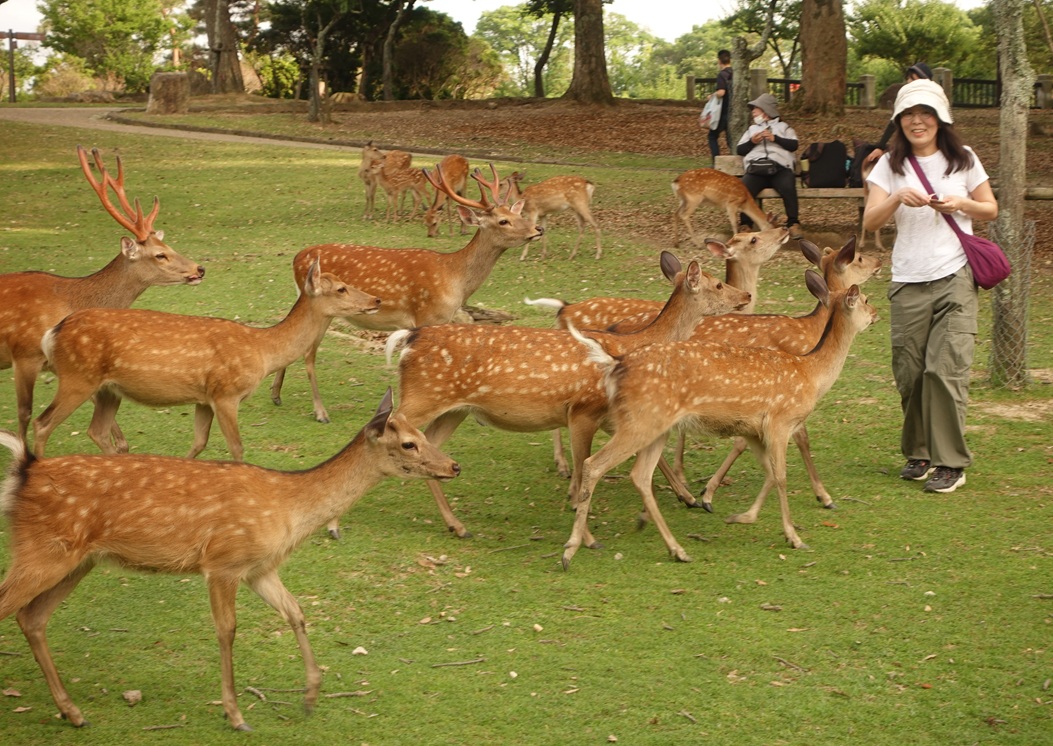
Nara has a beautiful and extensive parkland stretching to the east of Kōfuku-ji. There must be thousands of these deer roaming freely. They are totally at ease with humans, and are expectant of being fed healthy round, wholemeal biscuits that can be purchased for the purpose.
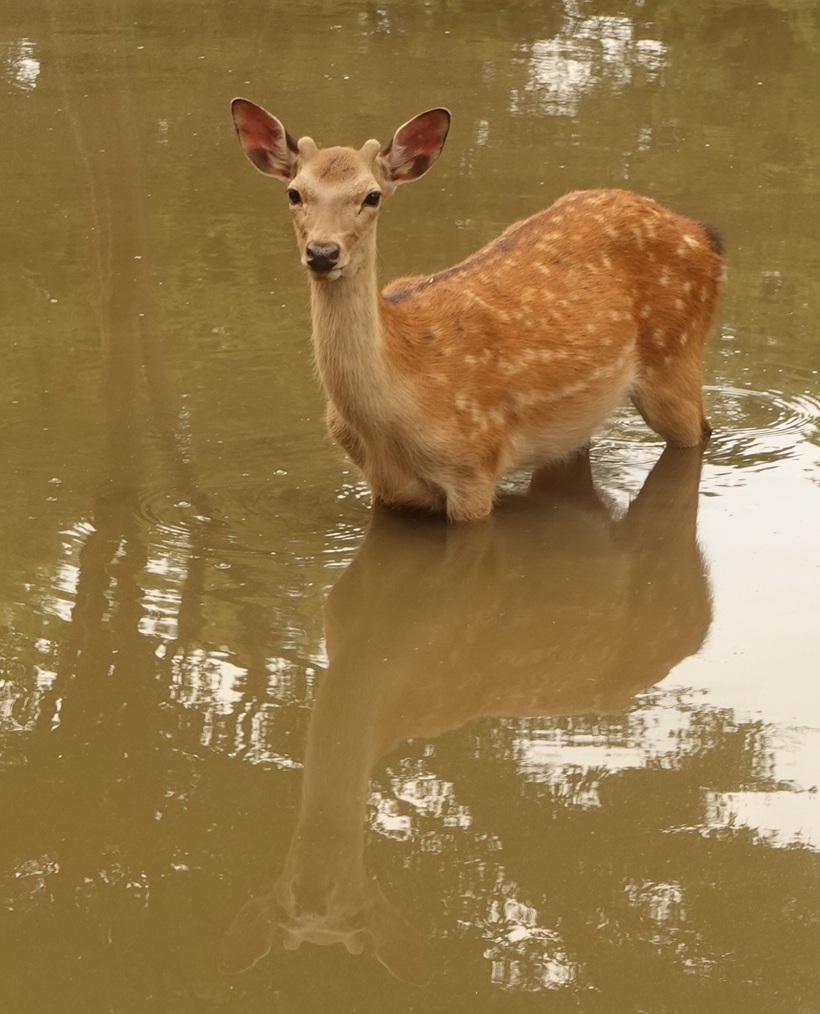
Nara´s parkland is dotted with small ponds and larger lakes. On this hot summer day, we were envious of the deer who could cool off in them.
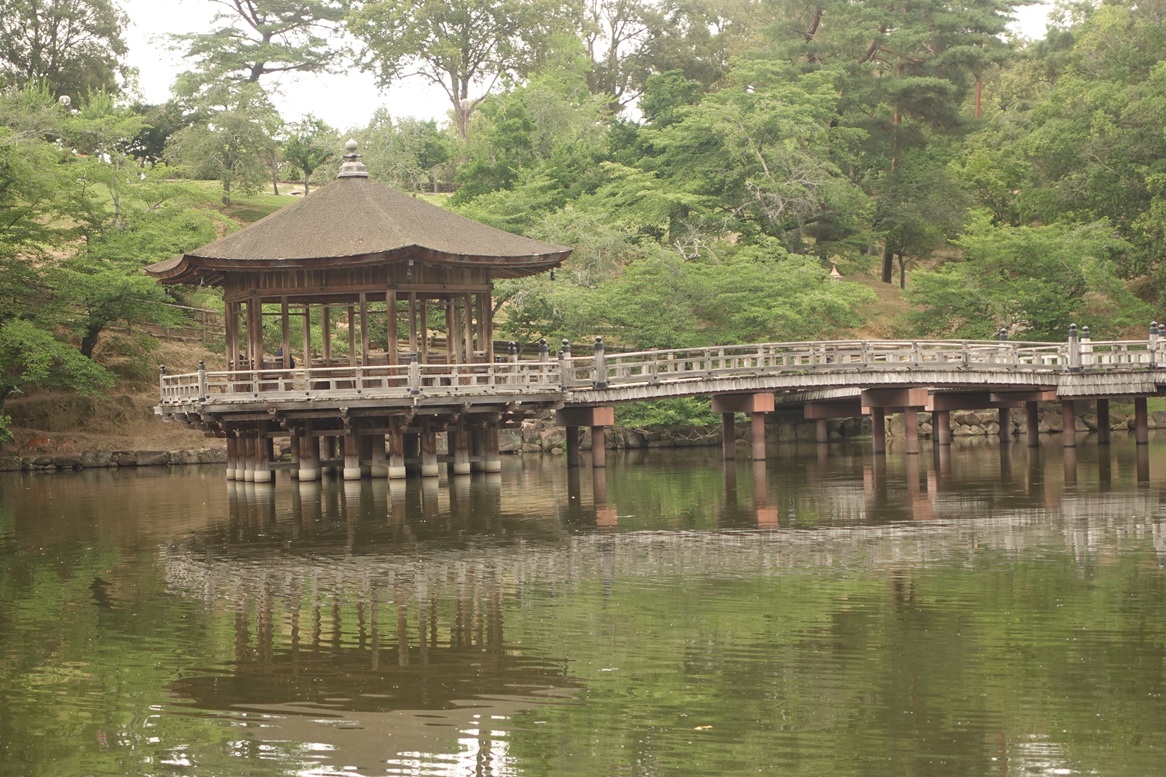
Ukimido Pavilion, offering tranquillity and beautiful surroundings, without it ever being commercialised for tourists.
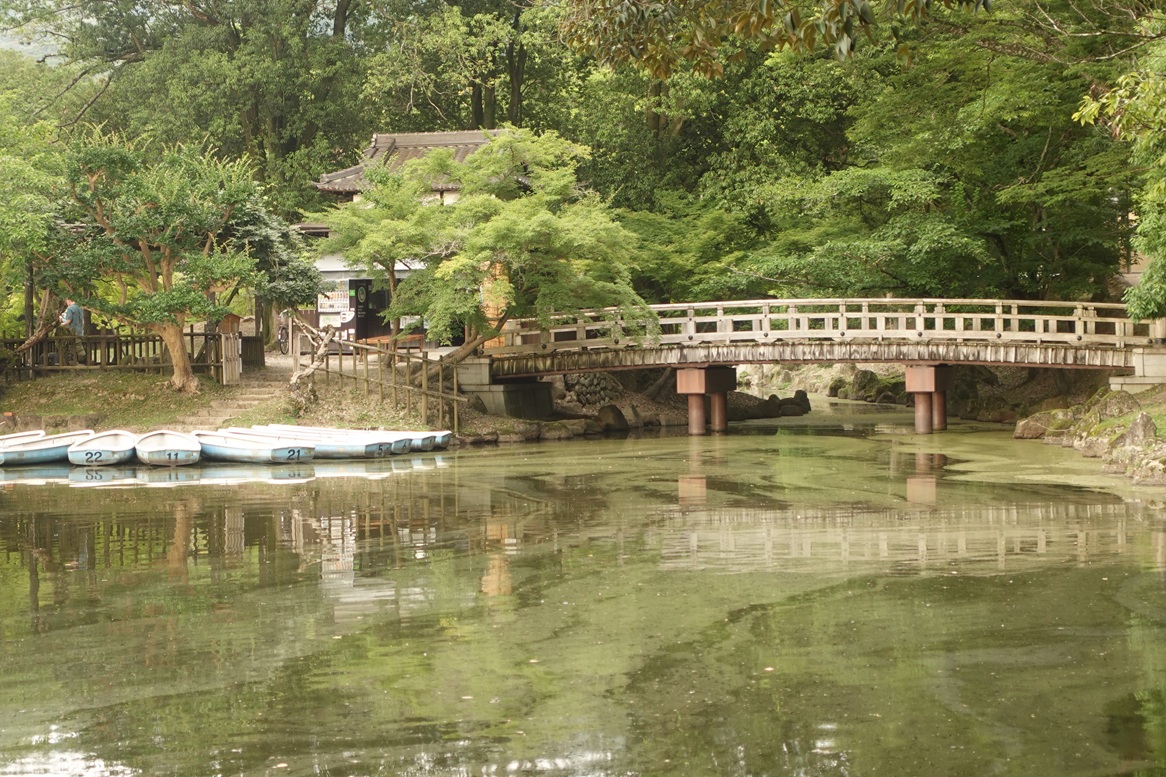
A traditional style bridge near Ukimido Pavilion.
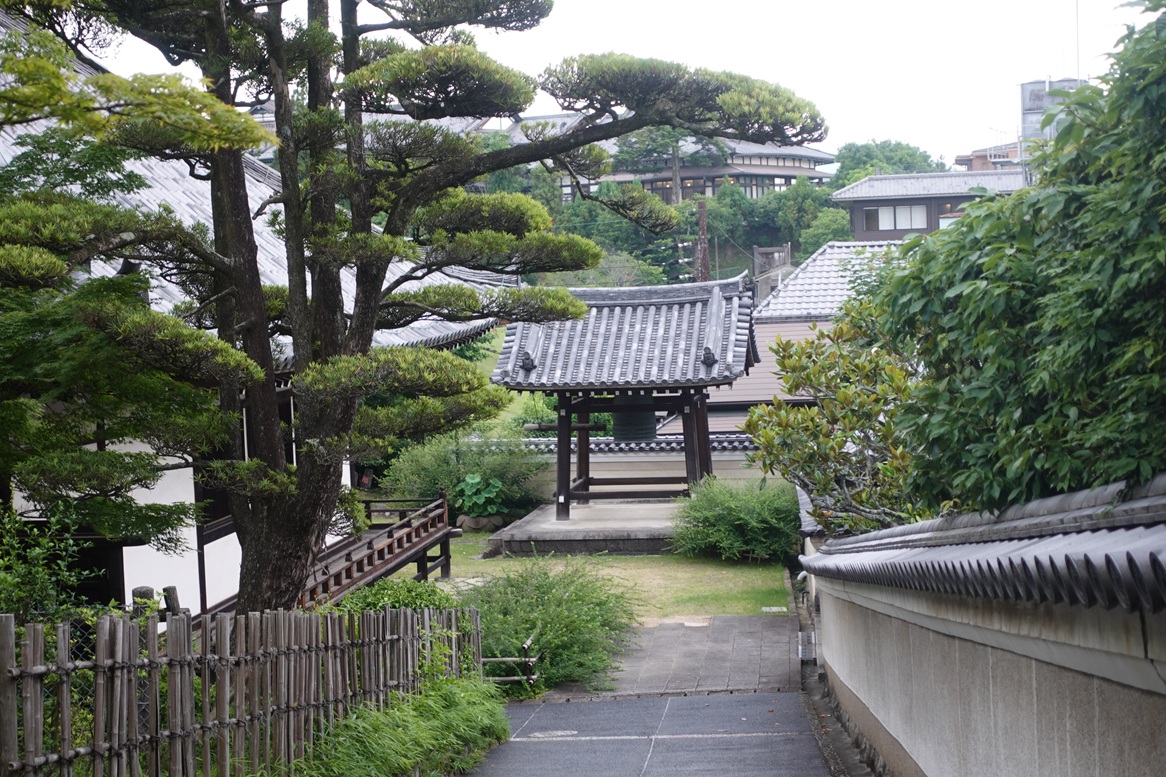
Nara
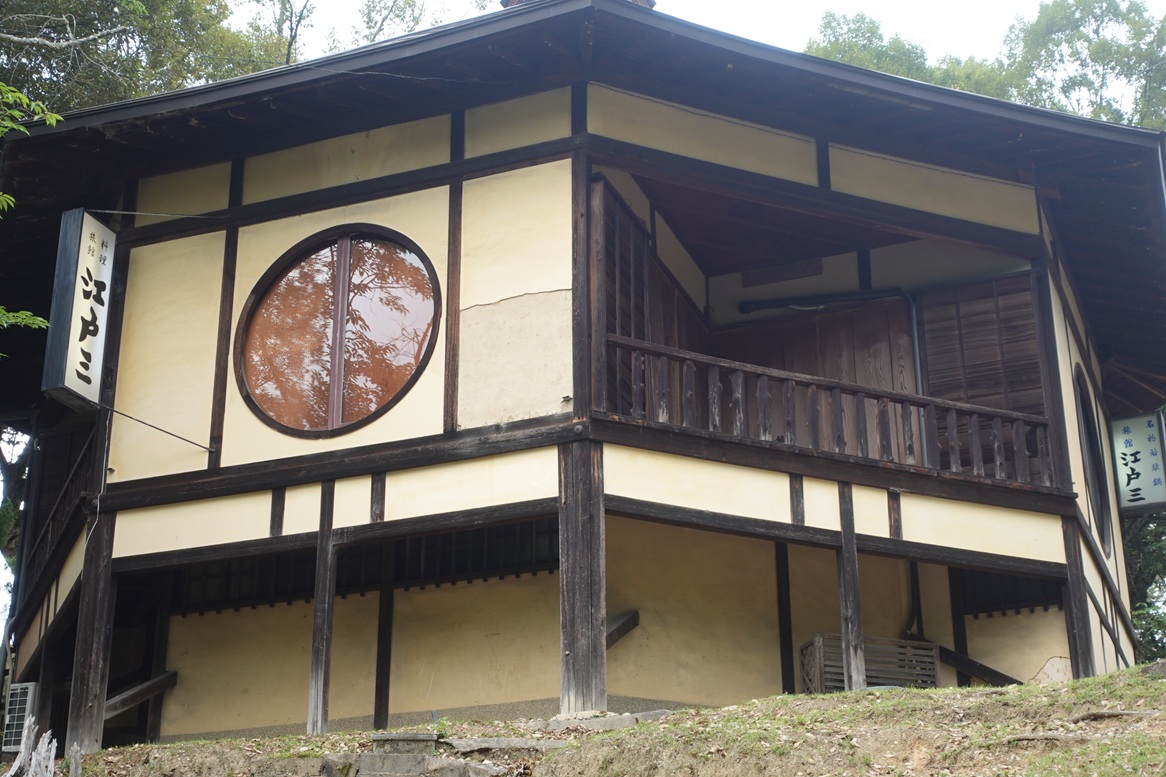
Nara has many surprises for the observant visitor, including a collection of traditional buildings on the edge of the park.
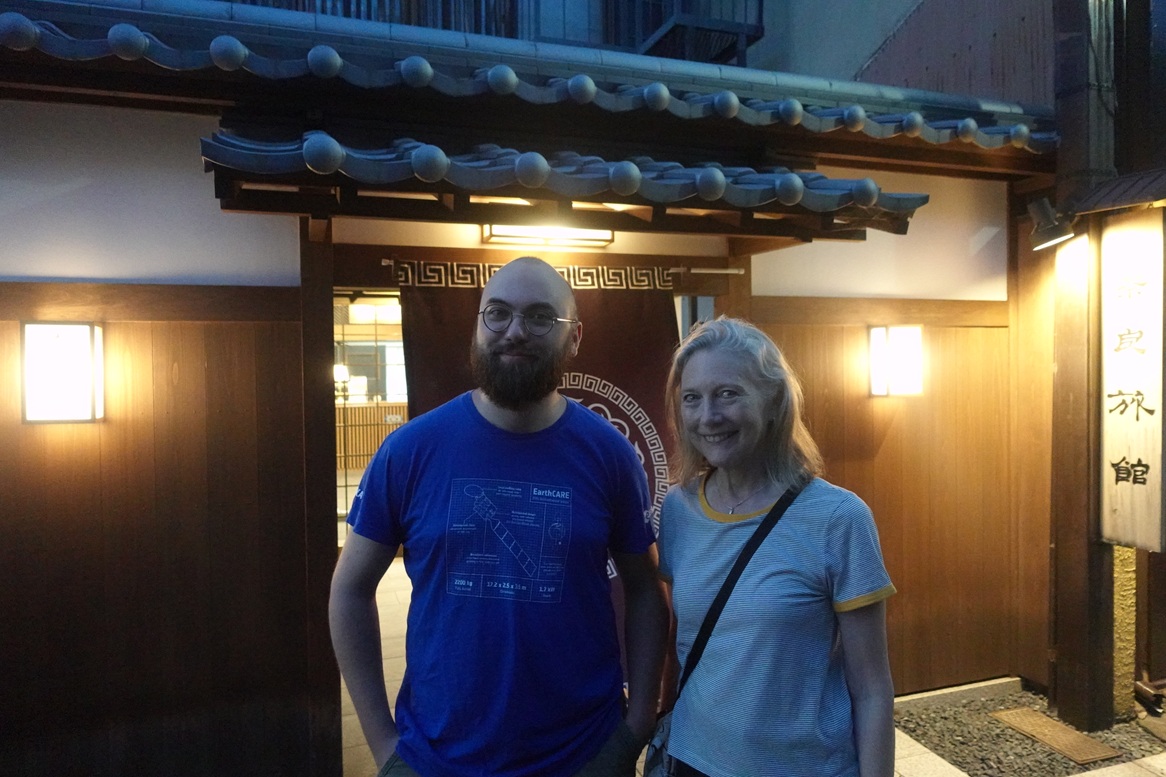
Cindy and Sean outside our ryokan hotel in Nara
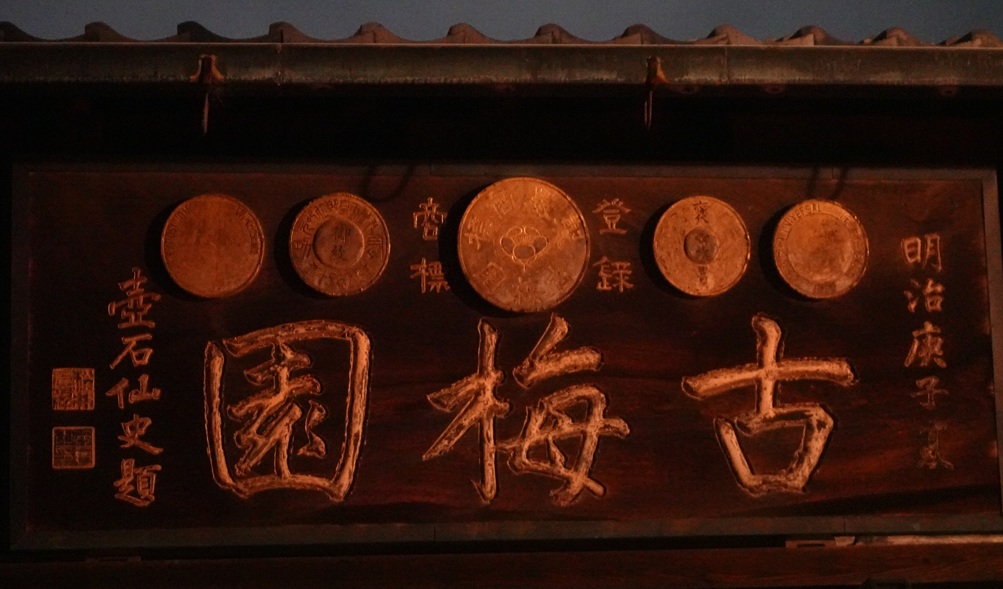
This stunning board above a business in a traditional house caught our eye. It is a trademark registration declaration by the Meiji Family Enterprises, which deals in noodles.
Travel Diary
konbanwa
ohayö gozaimasu
sayönara
oyasumi nasai