Asia and Australia 2025
Day 22: Friday 27 June 2025
Tokyo

Chinese temple near our hotel
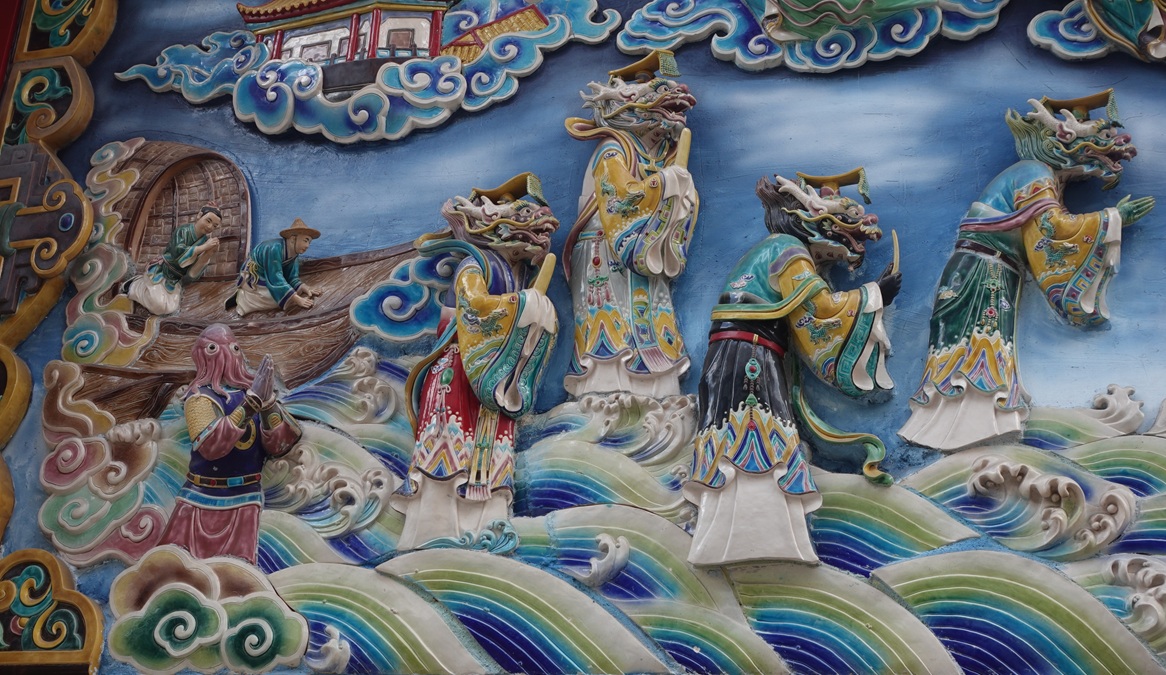
Detail of the Chinese temple near our hotel. I particularly like the squid-headed character, bottom left.
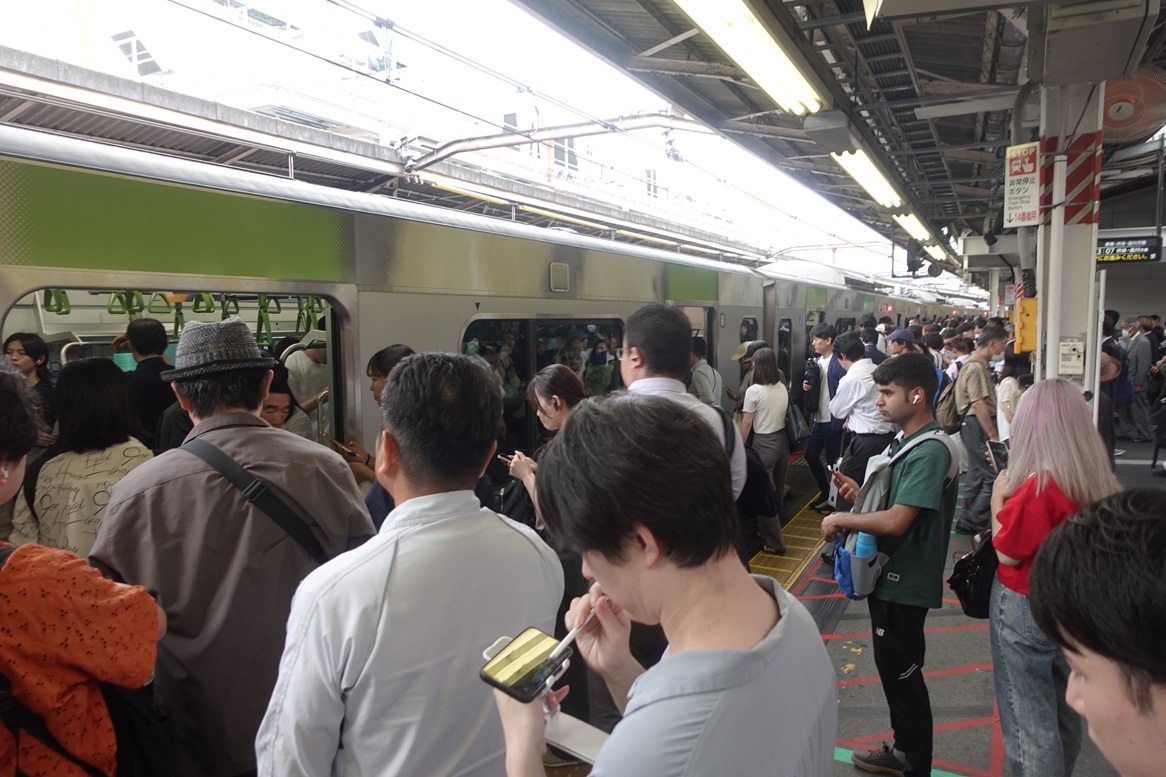
Metro and above-ground trains in Tokyo are always packed!

Shibuya Crossing is the world’s busiest pedestrian crossing, with as many as 3,000 people crossing at a time.
It is outside Shibuya Station. As of 2025, this station has about 3 million people per day passing through. It is the second-busiest metro station in Japan and the world after Shinjuku Station. It handles a large population of commuter traffic between the city center and suburbs to the south and west.
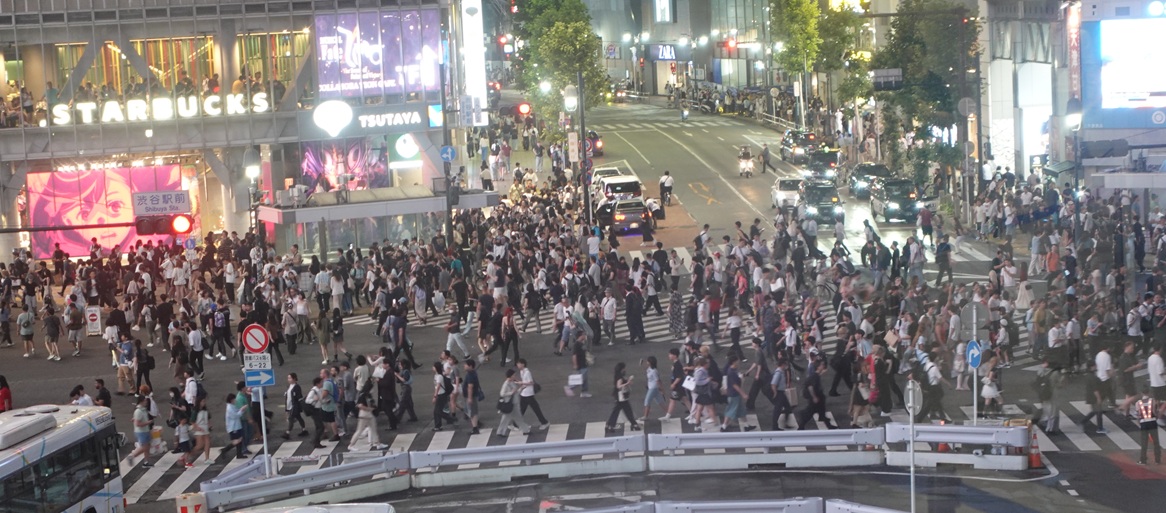
Shibuya Crossing in the early evening. This incredible display of organised chaos has something typically Japanese. Most of the traffic which passes while the people wait are taxis and buses, very few private cars. This could have been moved underground, as the traffic in all stations is coordinated, but instead they have allowed this extraordinary display of patient discipline to become a global icon, each crossing photographed by hundreds of tourists from the metro station overpass, or the opposite building windows. In that building, Starbucks oblige people to purchase their comestibles before gaining access to the few, awkwardly placed viewing windows.

A back street in Tokyo. Even though Tokyo is a very modern town, there are always reminders of its traditional past.
Tokyo is the most populous city in Japan, with 14 million in the official city. But if you count the continuous urban sprawl, which has engulfed neighbouring cities, such as Yokohama, then it is ranked as the most populated metropolitan area in the world, with a whopping 41 million in 2024.
Originally a fishing village called Edo, it became the capital in 1603 as the seat of the Tokugawa shogunate. It grew to become one of the world´s largest cities by the mid 1800s. The Meiji Restoration of 1868 brought the imperial capital from Kyoto to Edo, and the city took on its current name. Tokyo means literally “Eastern Capital”.
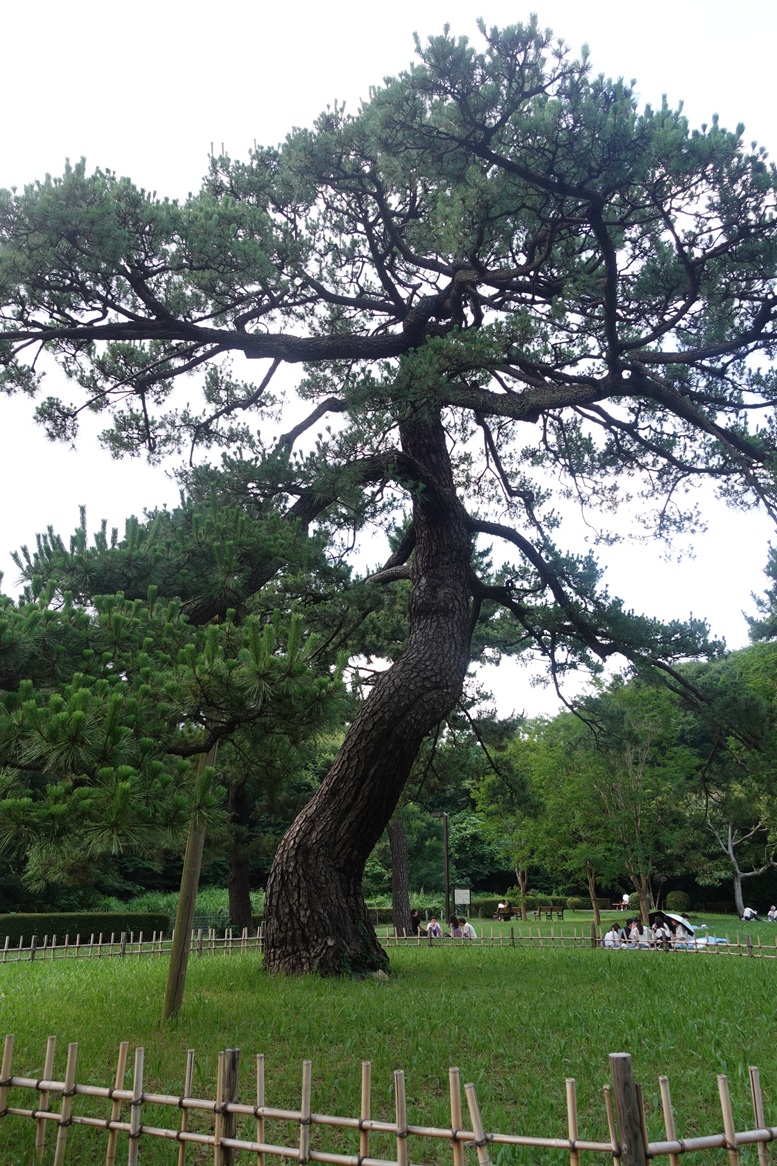
The emperor´s Black Pine Tree in Yoyogi Park, Tokyo. Yoyogi Park was once a military parade ground. The emperor would take the Imperial Salute from beside this tree.
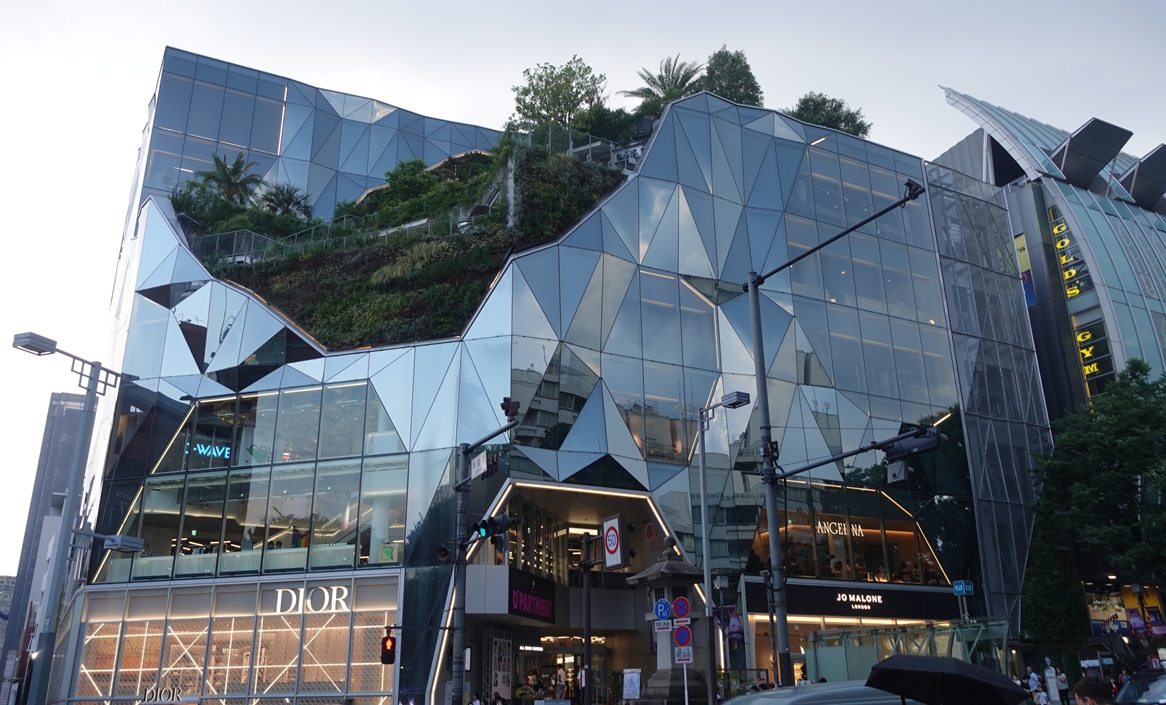
Building in Harajuku, Shibuya District, the high-fashion district of Tokyo. Along with a major fashion road, Omotesando, there is a labyrinth of backstreets, known as Ura-Harajuku (the “Harajuku Backstreets”), with many fashion boutiques and upper-end restaurants and clubs.
The main road was originally widened to create the approach to the Meiji Shrine in Yoyogi Park. During WWII, the fire-bombing of Tokyo devastated the area. After the war, the occupying forces set up military housing in and around Yogogi Park, and Omotesando developed to satisfy the preferences of the US soldiers and families. The 1964 Tokyo Olympics held its swimming, diving and basketball events at the Yoyogi National Gymnasium.

Entrance to a department store in Harajuku fashion area. As a mecca for youth fashion art, in the 1980s teenage street dancing groups called takenoko-zoku developed here. By the end of the century, an experiment making the area a pedestrian only area had to be abandoned because of dangerous over-crowding.
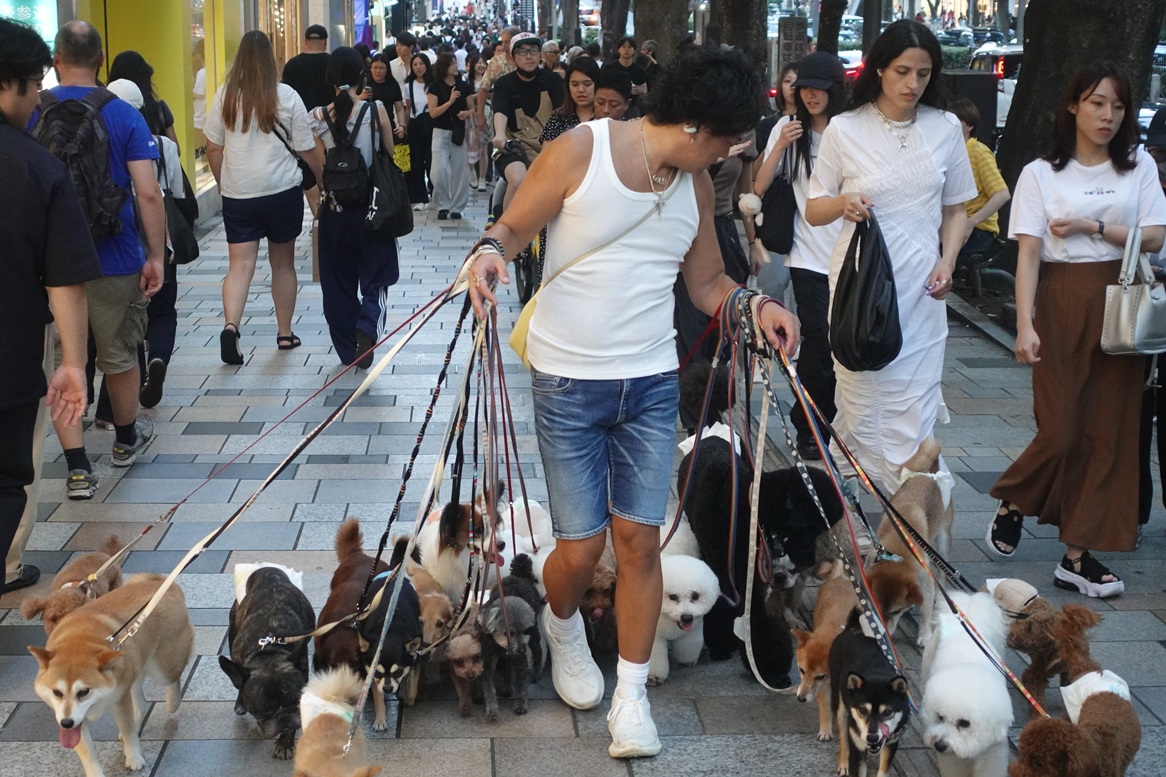
A dog-stroller who told us he had 24 dogs today.
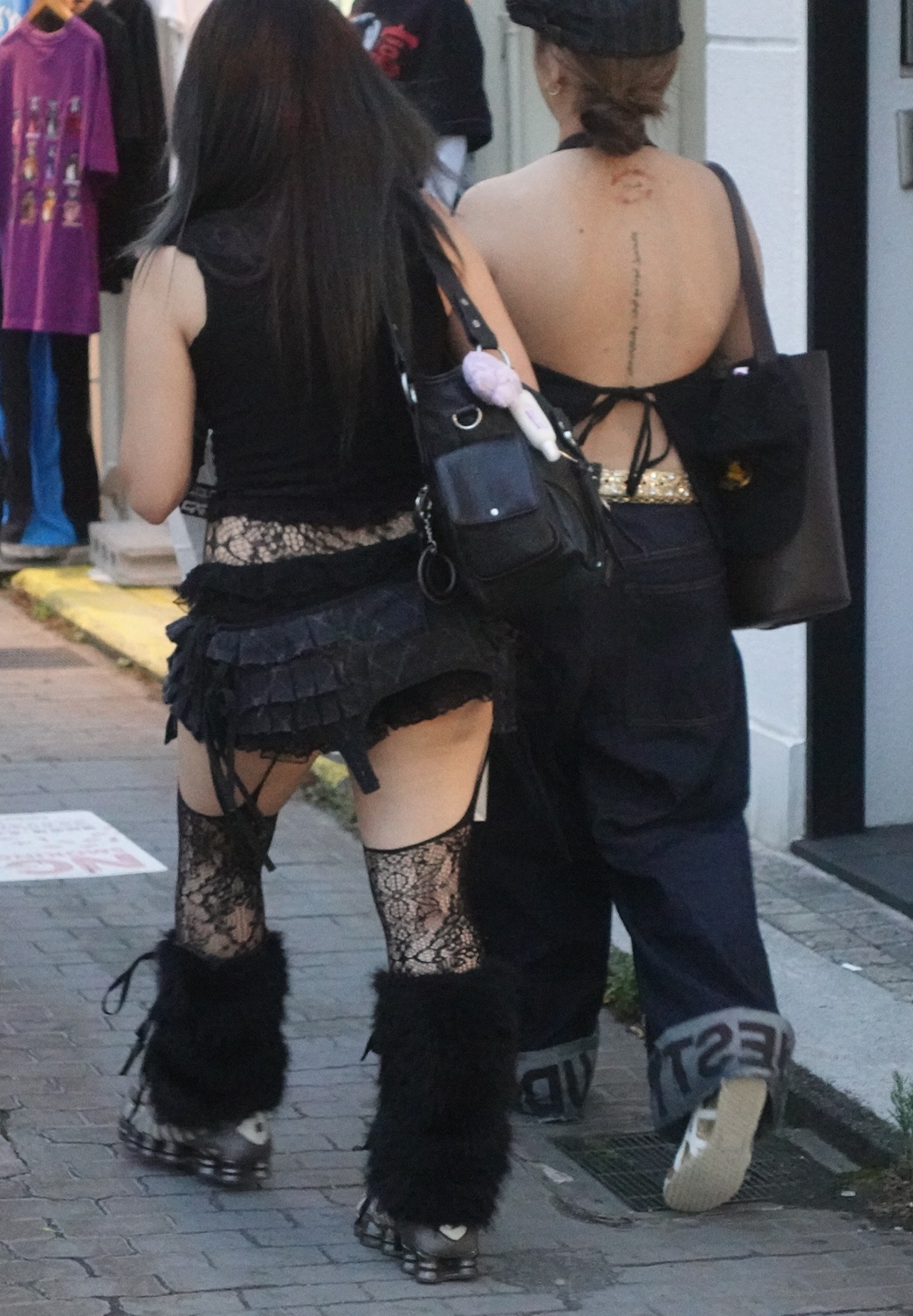
Fashion in Tokyo has a great range, often baffling, but always entertaining.
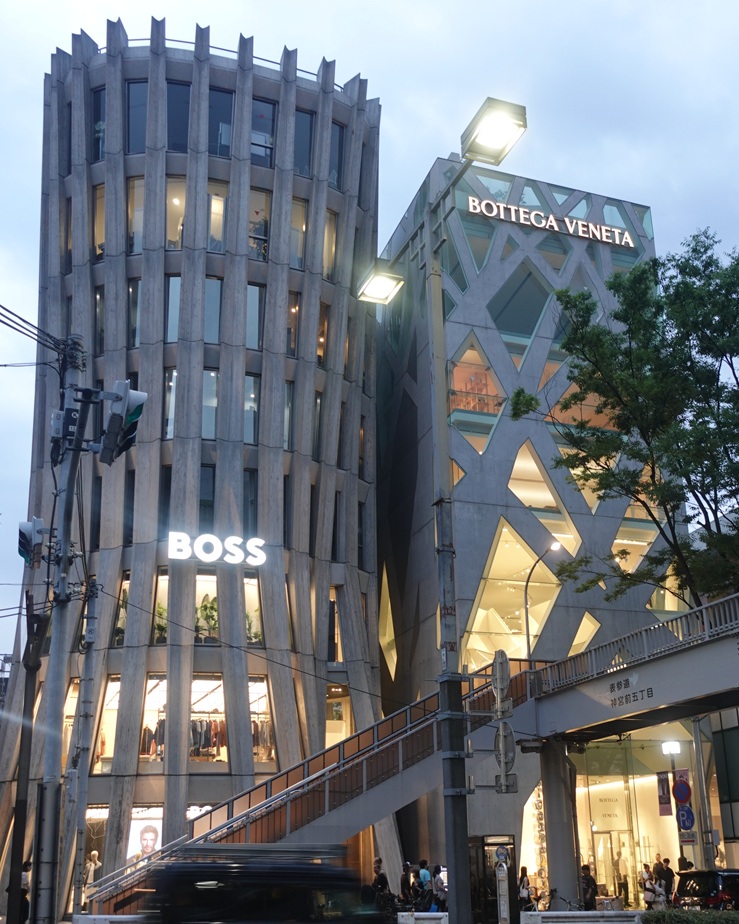
Some fashion houses in Harajuku area Tokyo. We saw most of the best-known brands, and more, all shoulder to shoulder in this exclusive area.

A display of chopsticks in a shop window.

A manga game advert on a subway train.
Origin and Meaning of Manga:
Kanji: 漫 (man) + 画 (ga)
漫 (man): “whimsical,” “free,” or “unrestrained”
画 (ga): “picture” or “drawing”
Combined, 漫画 literally means “whimsical pictures” or “informal drawings.”
Travel Diary
onegai shimasu
hai/iie
arigatö gozaimasu
sumimasen
dö tashimashite