Asia and Australia 2025
Day 27: Wednesday 02 July 2025
Manila

One of the gateways into Intramuros.
The Intramuros district is 0.67 square kilometers, and is entirely surrounded by fortifications and walls. Its construction was begun in 1571 by the Spanish immediately after their arrival, to house and protect their governor-general. It was the religious and educational center of Spanish East Indies, and the economic center, as the Asian hub of the Manila galleon trade, on the trade route from Acapulco in today´s Mexico.
It passed under the administration of the USA after the Spanish conceded the Philippines following their defeat in the Spanish-US War of 1898. It was completely destroyed during the horrific Battle of Manila in 1945, as advancing US troops fought a street to street battle against the Japanese, who carried out a genocide of the local inhabitants.
No longer the seat of the Philippine government, it still houses several government agencies, and is important as an educational center as part of the city´s University Belt.
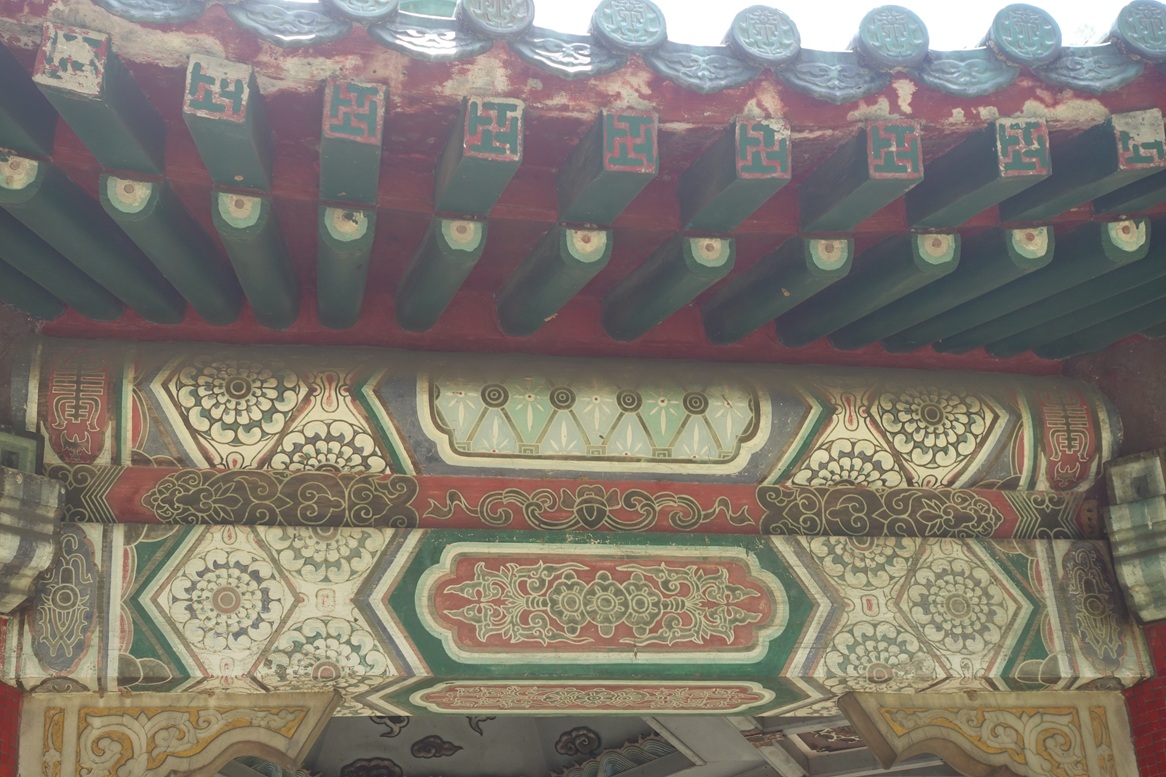
Chinese Garden shrine. These intricate and beautiful designs are typical of the care with which these gardens are kept. There were quite a few people enjoying the peace and beauty, while all around the traffic was chaotic.
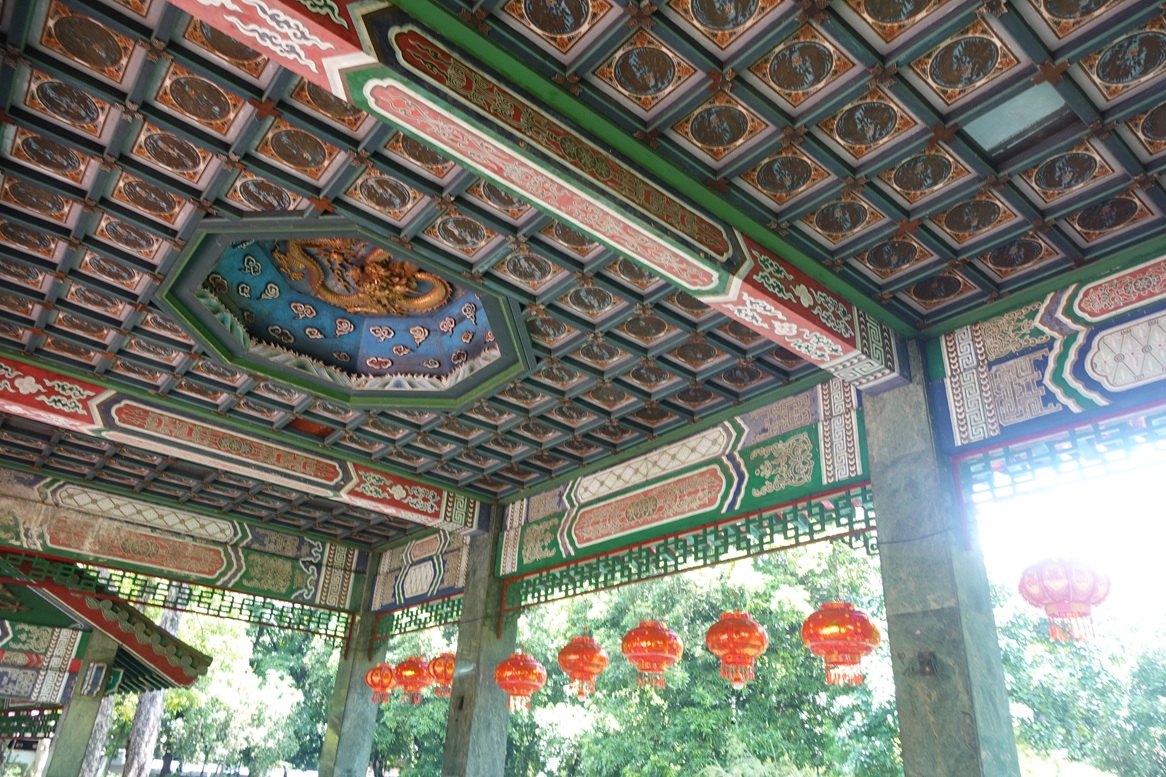
The ceiling of the Philosophers´ walkway, Chinese Garden. Buddhist sayings of wisdom and advice are displayed on the columns for the many visitors seeking refuge from the chaos of the streets in the neighbourhood:
If one has no patience in small things, he shall suffer chaos in bigger things.
One must be concerned in appreciating others, do not be concerned if others do not appreciate you in return.
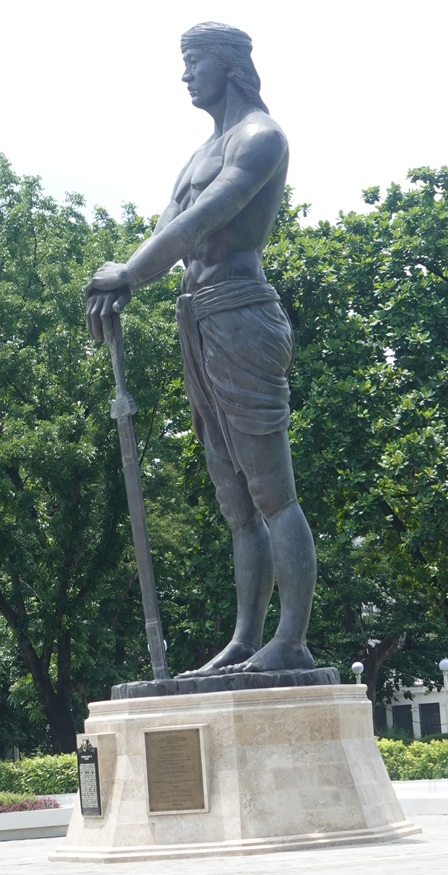
Sentinel of Freedom Statue, of Lapu Lapu. This chief of Mactan led his people in the Battle of Mactan, 1521, defeating Spanish forces led by Ferdinand Magellan. Magellan died in this battle, ending his voyage of circumnavigation and delaying Spanish occupation of the Philippines by 44 years, when Miguel López de Legazpi arrived in 1565. Lapulapu is heralded as the first Filipino hero, and his image is used on the shields of the Philippine National Police and the Bureau of Fire Protection.

The Manila National Museum of Anthropology. Located in Rizal Park, it was built 1916-18 in a neoclassical design. Like in many places, there was tight security at the entrance and on each floor.
On the lawn in front of it there is an ongoing Guinness World Records attempt to create the world´s largest display of solar-powered lamps: 2,743 lamps on 30 June 2025.

The Manila National Museum of Anthropology (Filipino: Pambansang Museo ng Antropolohiya). These wooden sculptures are part of the rich heritage of the islands. One section covers Anito: Beliefs, Traditions and the Afterlife in Northern Luzon.

The Manila Museum of Anthropology houses a rich variety of artefacts from across the archipelago. Pottery, textiles, funerary objects, even musical instruments and worktools are displayed.
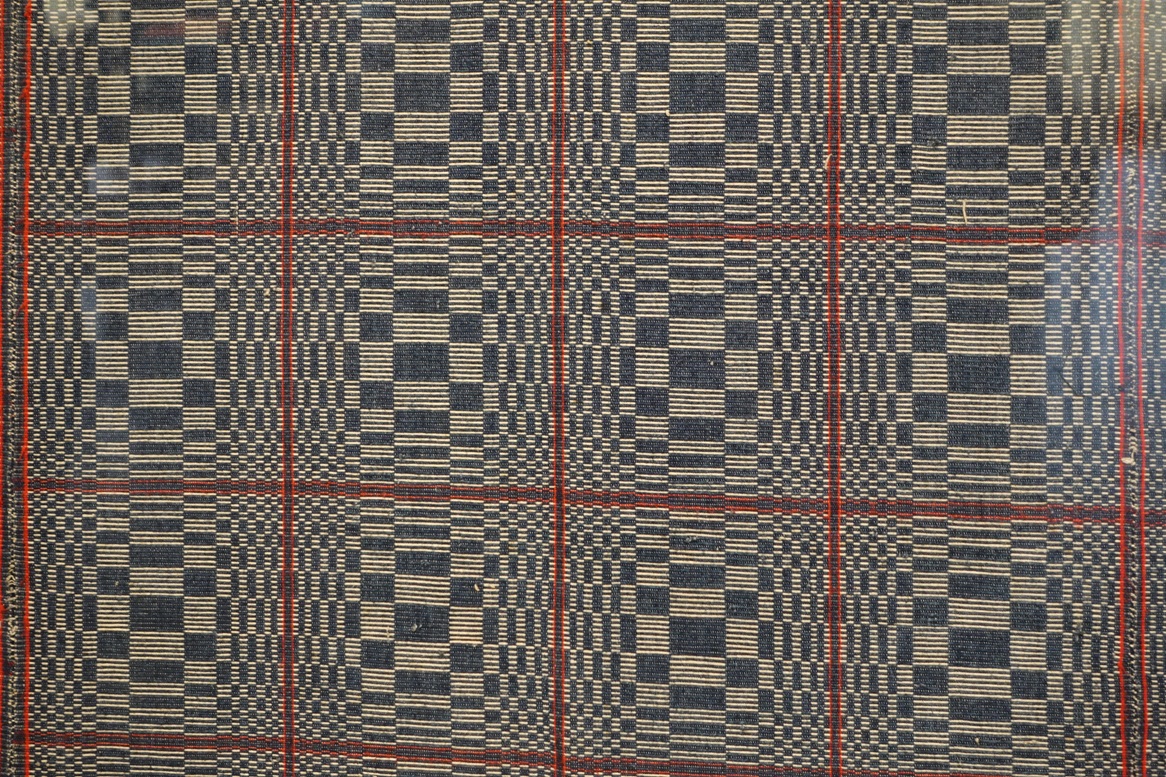
Owes (sinankusikos), blanket, Tingulan / Abra. Commercial cotton and dyes.
Kusikos pattern represents the constant movement of whirlpools and whirlwinds, wherein the wind god dwells according to Ilokano belief. The design consists of positive and negative outlines of squares and rectangles of varied sizes, which is believed to help soothe and defuse the power of the wind god. This was also commonly used as mast designs for boats during the colonial period.

Umpak linombos, Davao / Bagobo. Abacá, mother-of-pearl shell, beads, natural dyes. Male upper garment.
This abacá jacket, embellished with beads and mother-of-pearl shellwork (kalati), is worn during special occasions. Part of the National Ethnographic Collection.
Abacá fiber, or Manila hemp, is obtained from the leaves of the abaca plant, Musa textilis, a native plant of the Philippines. It is used in various applications, including ropes, textiles, and speciality papers, due to its exceptional strength and resistance to saltwater.
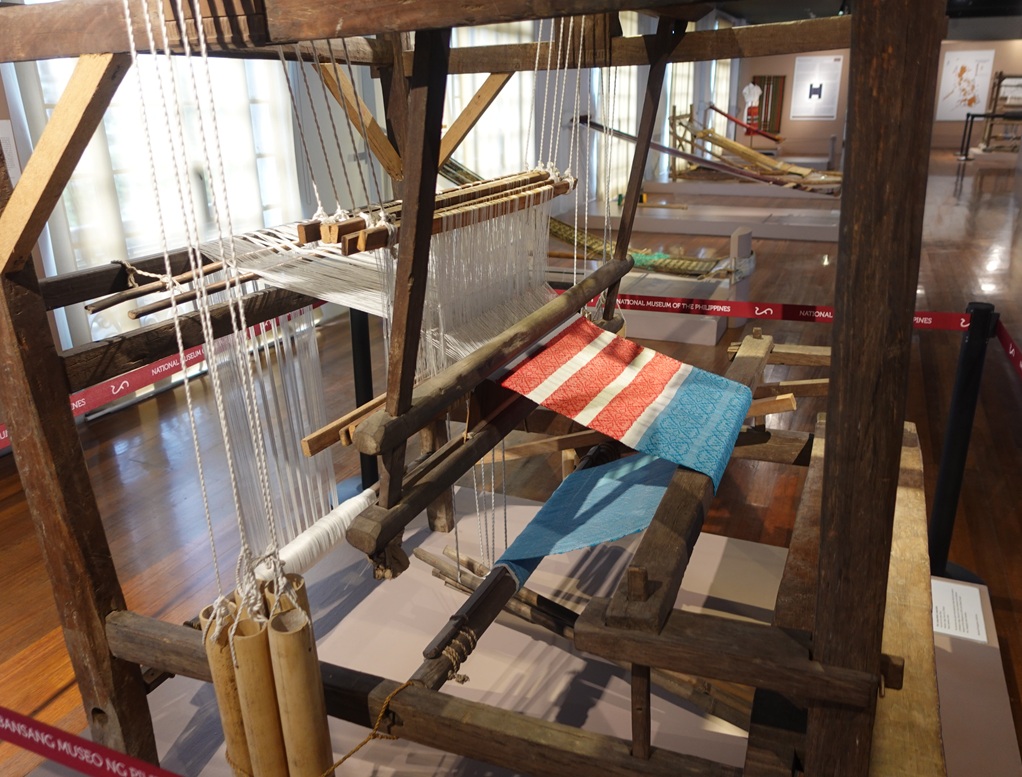
The Manila Museum of Anthropology has a special section dedicated to textiles, materials, and the development of weaving. There were two types of loom in use in village industries: the foot loom, similar to the type we see in Europe, shown in this photo, and the backstrap loom, by which the worker sits on the ground and creates tension in the rig by their body weight.
The foot loom is found in lowland areas such as Western Bisayas and Northern Luzon. Sometimes referred to as the upright, vertical or pedal loom, its heavy wooden frame connotes permanence, as moving it is a challenge. This typically wooden device is characterised by a system of pulleys and weights, adjusted according to the requirements and the body of he weaver, as well as the textile being produced.

Backstrap loom

Historical photograph of a backstrap loom in operation.
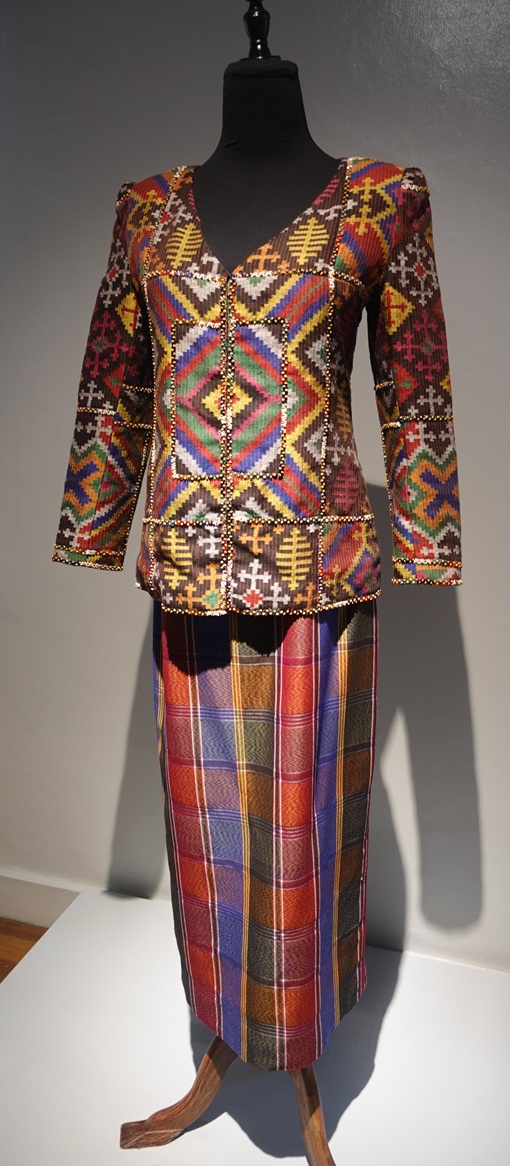
Female upper garment and skirt.
Tausug
Cotton, silk, synthetic dyes, beads and sequins
Tausug-inspired upper garment paired with a malong-inspired skirt.

The Manila Museum of Anthropology.

Manu’bak and Ammeru
Beadworks and embroidery of the Ga’dang People.
The clothes of Ga’dang are mostly red, symbolizing happiness. These brightly coloured clothes are woven by women from homegrown cotton and ornamented with beads, small coins, and shells such as mother-of-pearl and cowrie.

Model of an Ifugao house, Manila Museum of Anthropology.
ifugao, Banaue
Wood, runo, reeds, and rattan.

Bahay kubo
Nipa hut
Tagalog
Nipa and wood. Different layers of the roof consist of pre-treated hardwood, mat of enorfa reeds, secured together with nito lashings, and a thick layer of kulun (cogon). This type of roof is common in Mayoyao, Ifugao, or the northern part of the province.
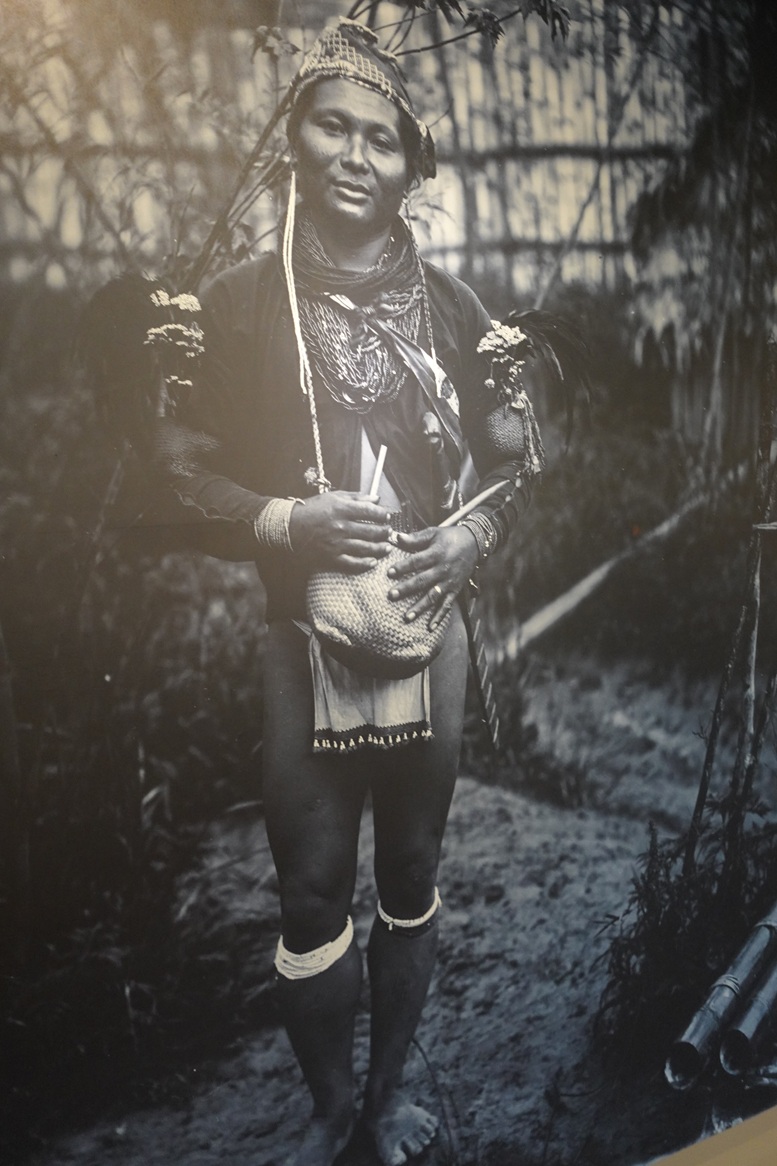
The Ga’dang male attire is composed of a collarless upper garment called kuton, g-string or loincloth called abag, a cape of tapit, a head kerchief or barangal, or a round hat called so’long. He also wears around his neck a sayay, a decorative shoulder bag for personal items, betel nuts, or lime containers.
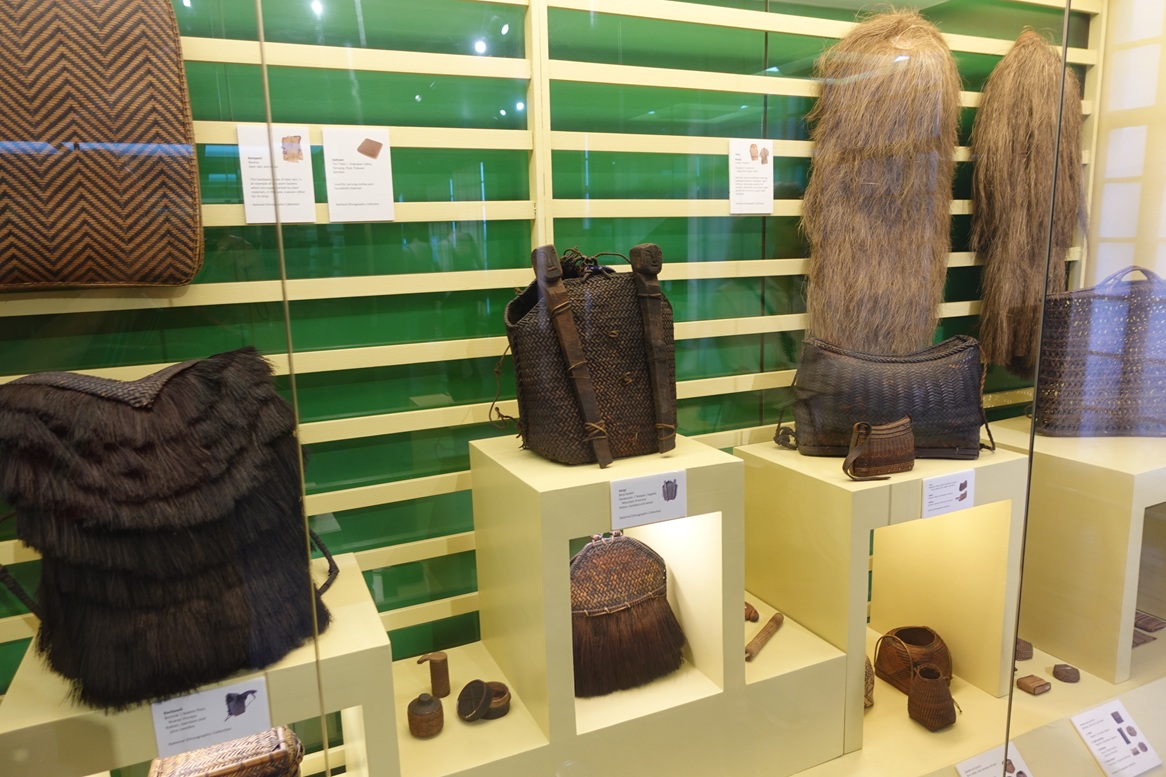
Handicrafts
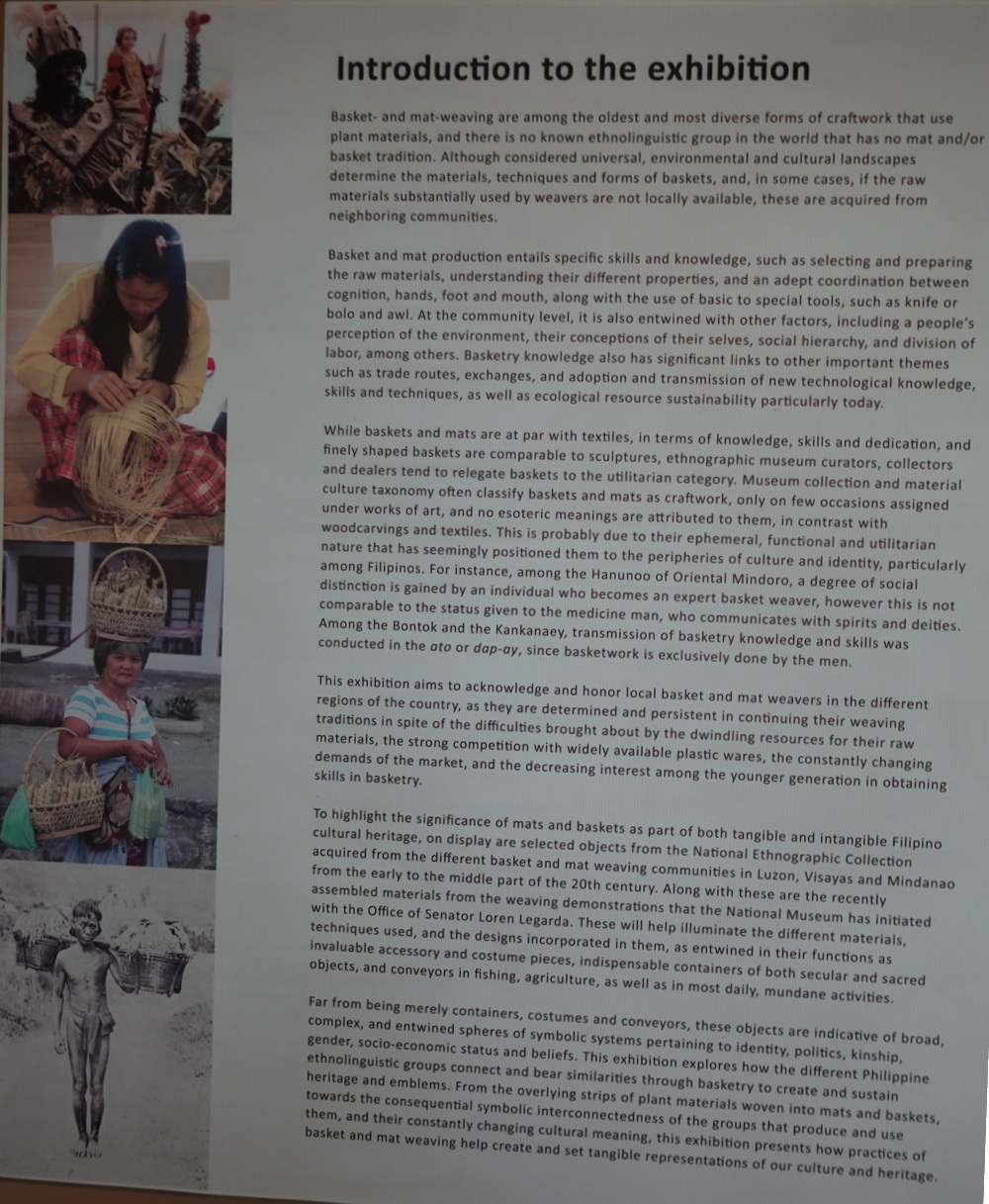
Information board about the baskets and handicrafts exhibit.

The Manila Museum of Anthropology.
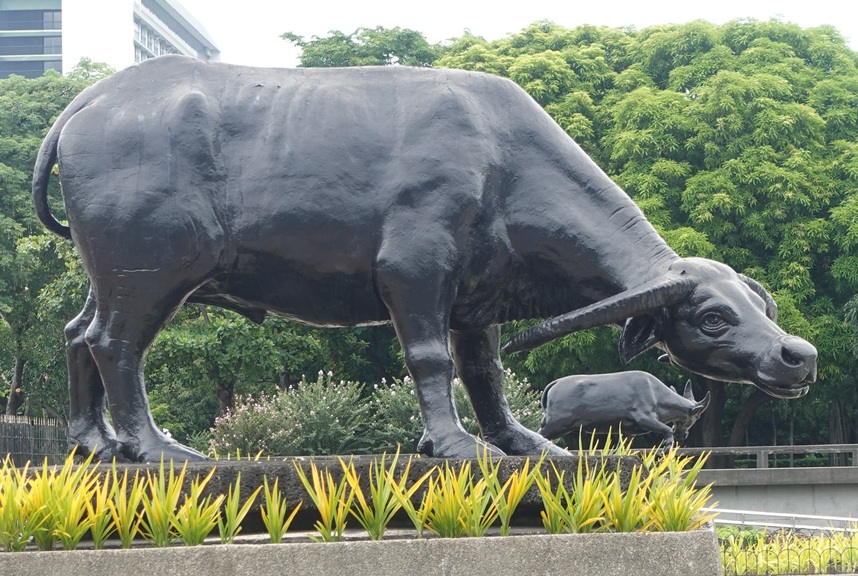
Buffalo statue in Ruiz Park
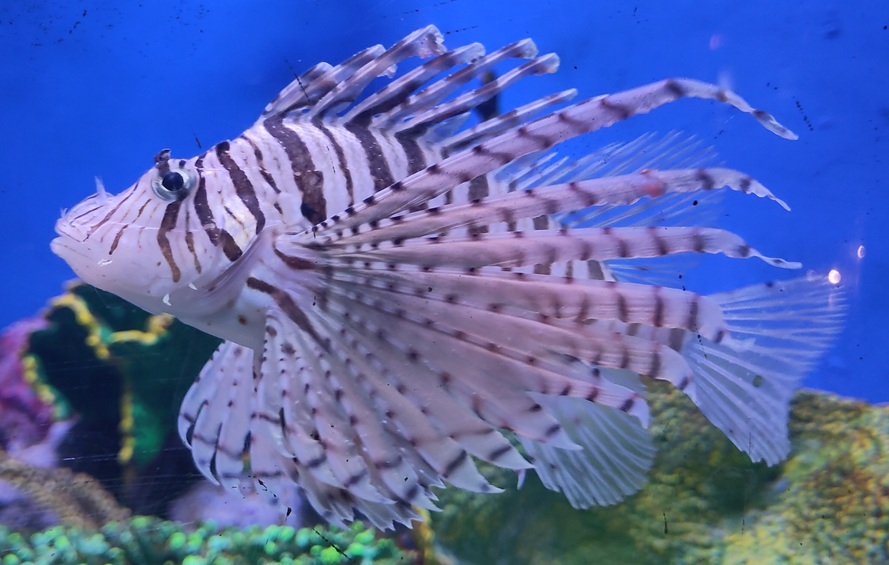
Manila Aquatic Park aquarium
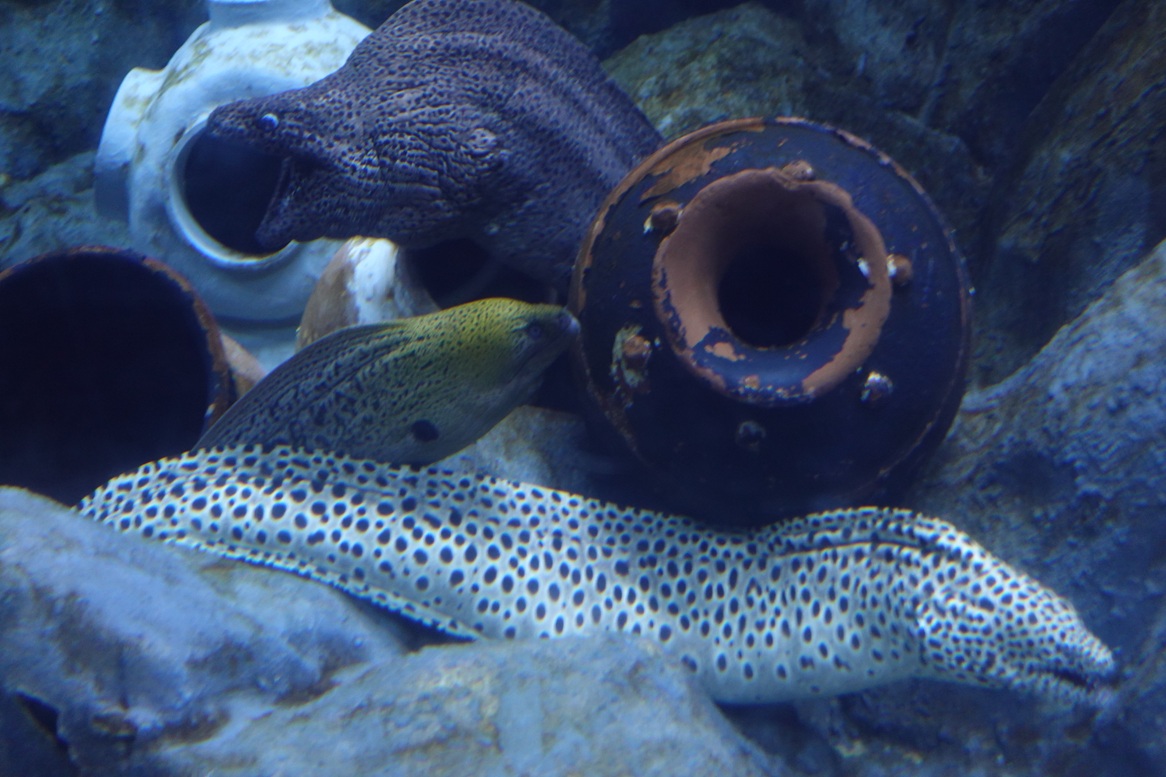
Manila Aquatic Park aquarium

Manila Aquatic Park aquarium
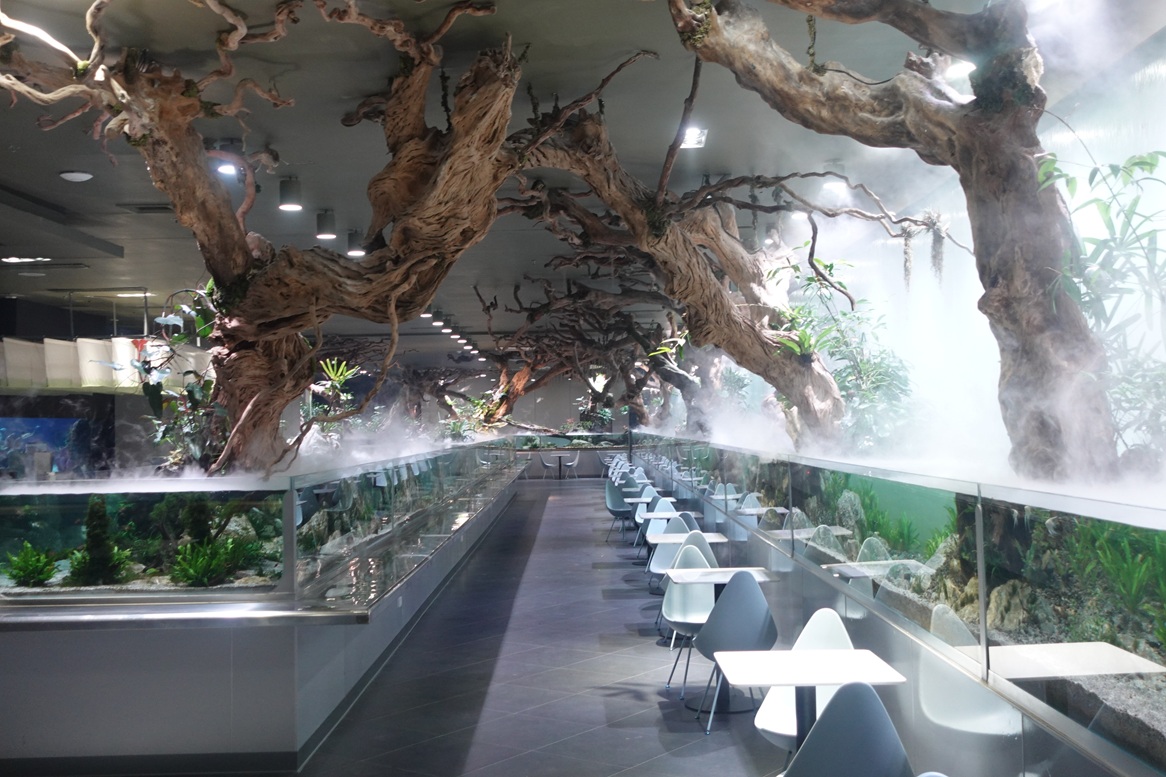
Cafeteria in the Manila Aquatic Park aquarium
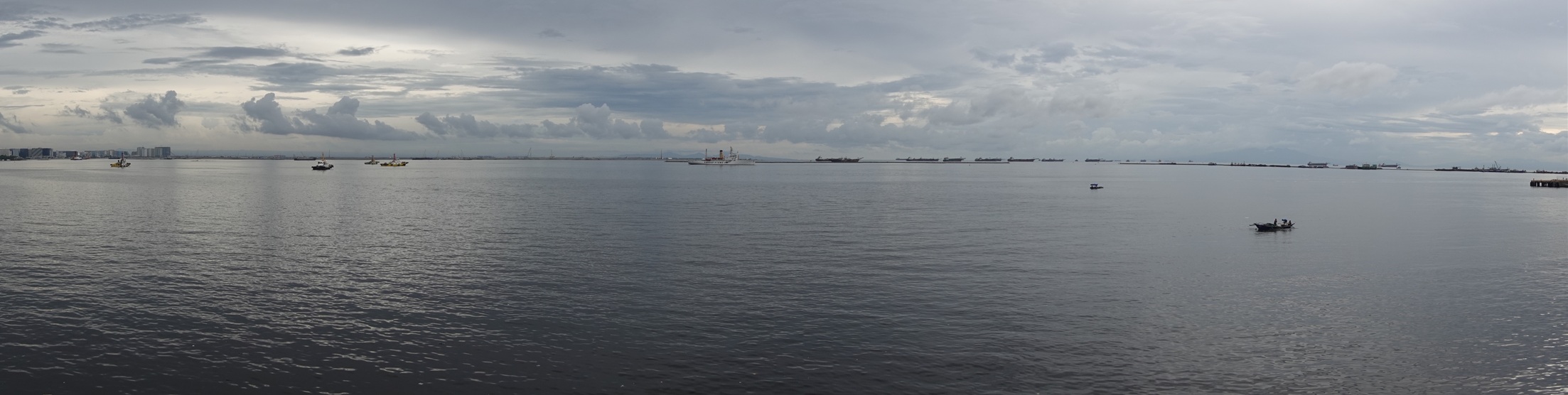
Panorama of Manila Bay from the Manila Aquatic Park aquarium

Bearded Dragon Lizard at the Manila Aquatic Park
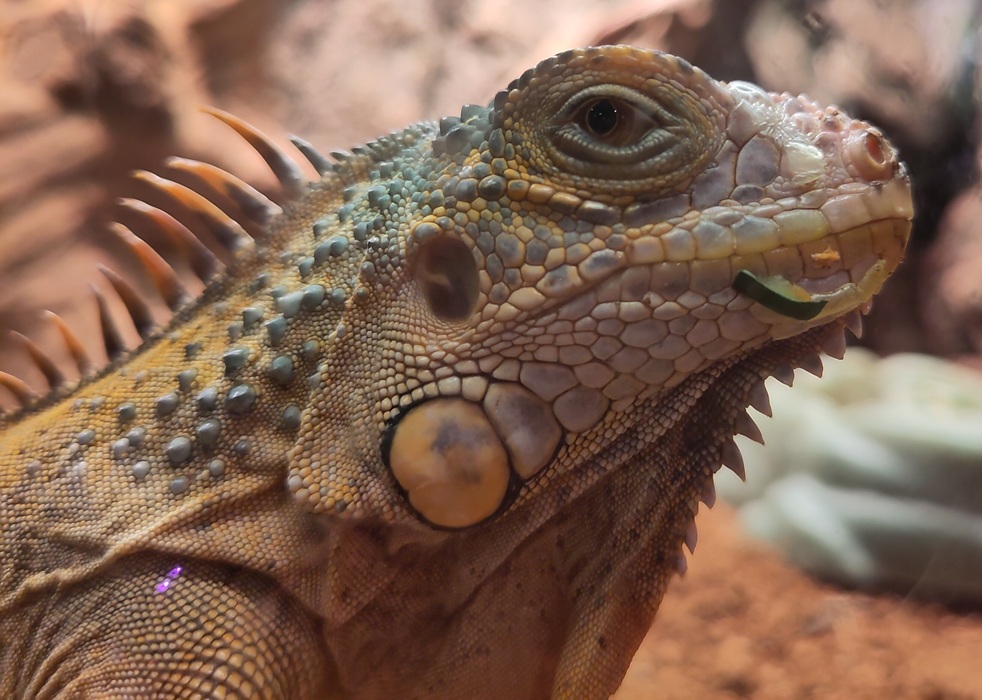
Passport photo of a Bearded Dragon Lizard at the Manila Aquatic Park
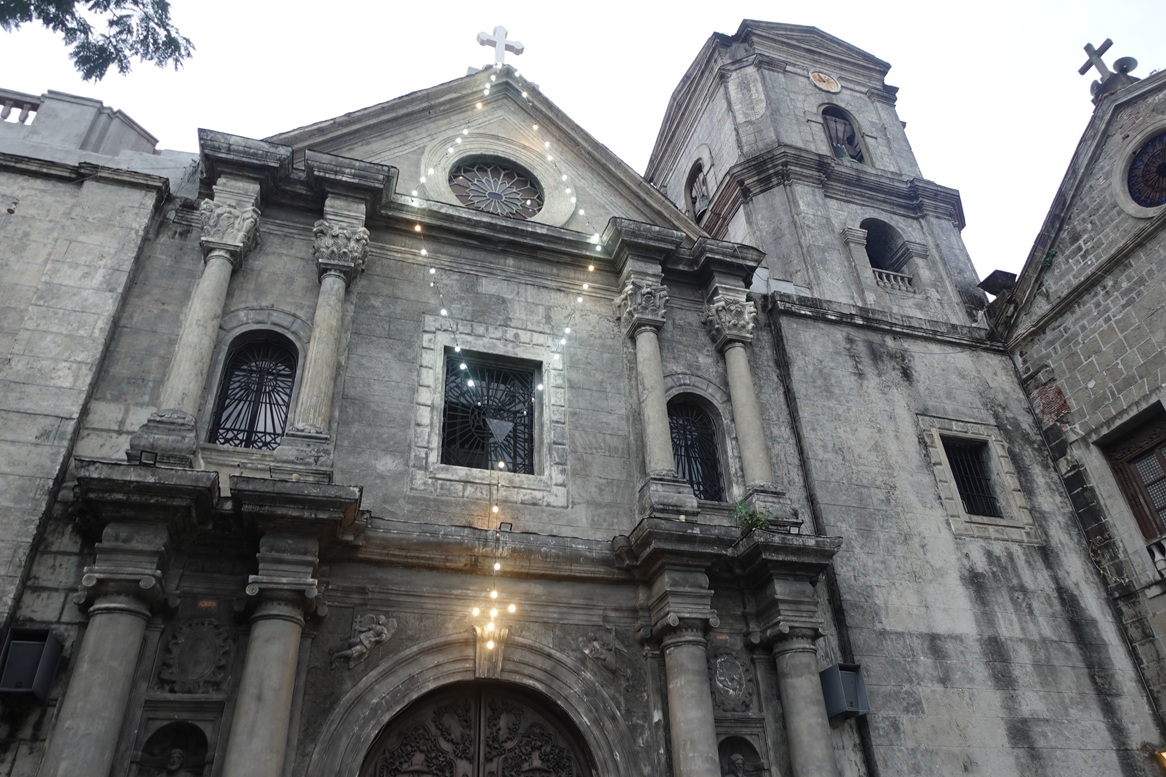
San Agustin Church, Intramuros
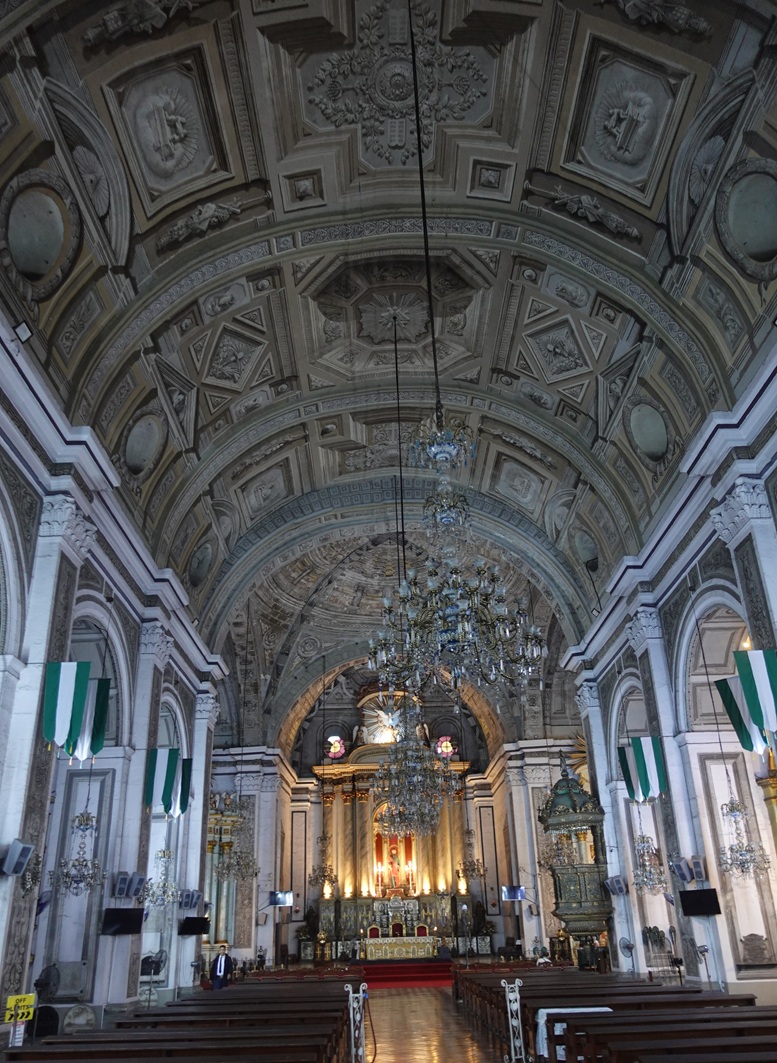
San Agustin Church, Intramuros
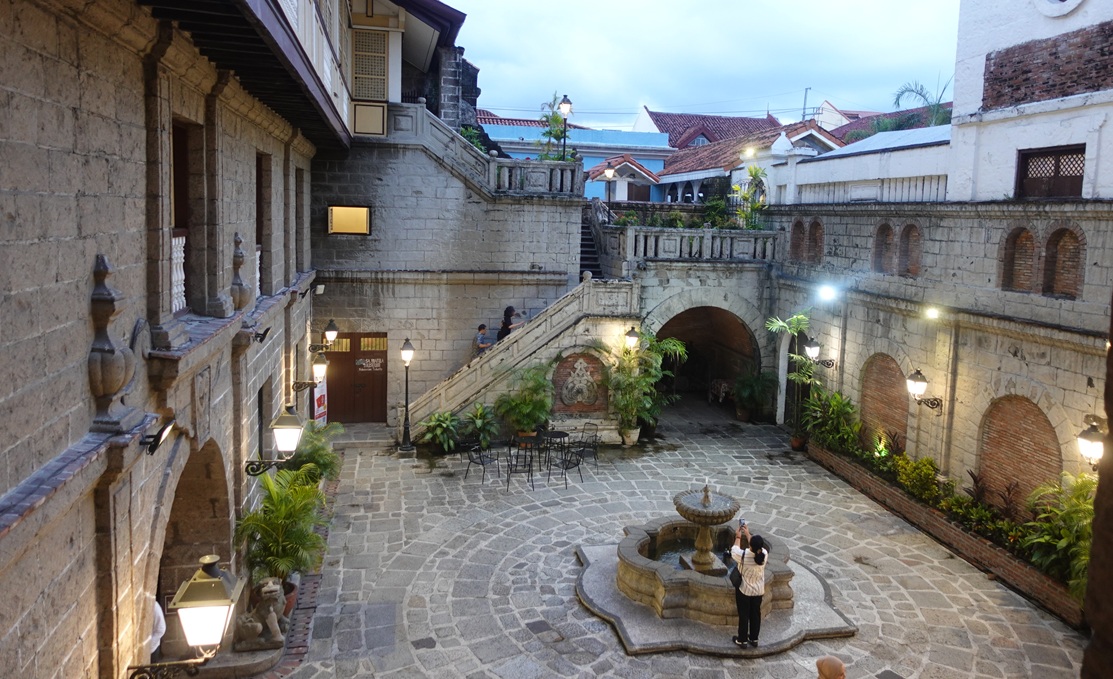
Manila House, a beautifully preserved colonial building from the Hispanic period.
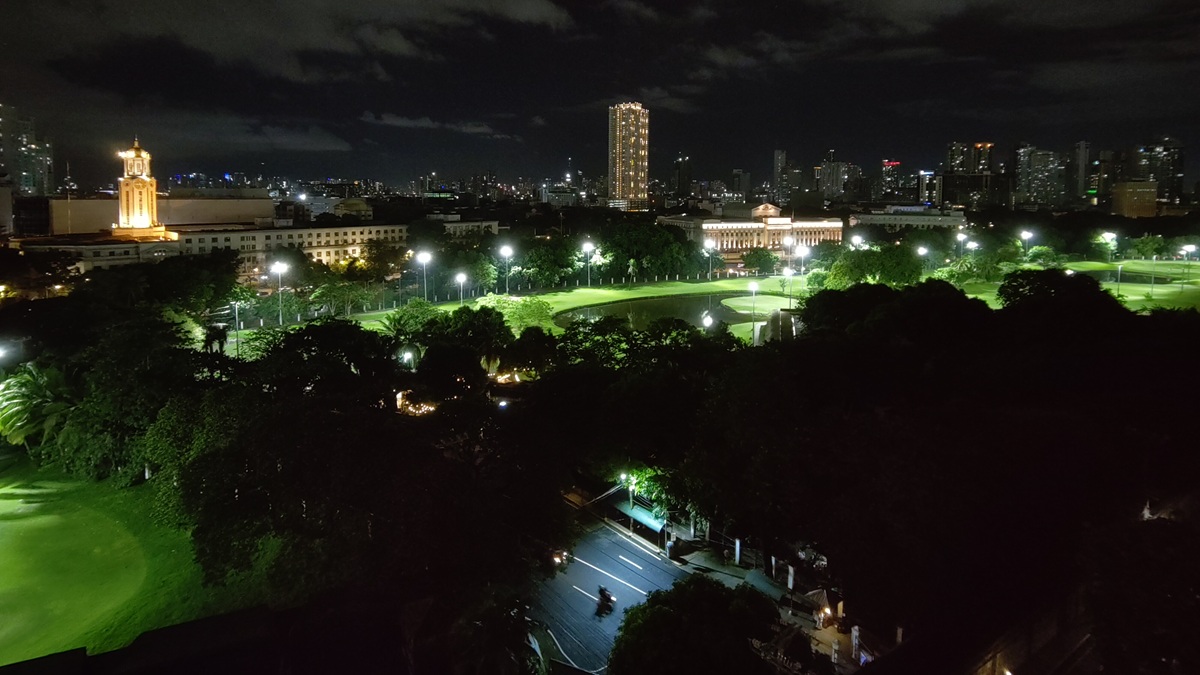
Skyline of Manila from our hotel rooftop restaurant at night. Outside the wall of the Intramuros is a golf course.
Travel Diary
nihongo wo benkyö shiteimasu
nihon, nihongo
are wa nandesuka?
kore wa nandesuka?
gomen nasai