Rome-Naples June 2026
Day 5: Monday 08 June 2026
Roma – Ara Pacis – Parco Villa Borghese
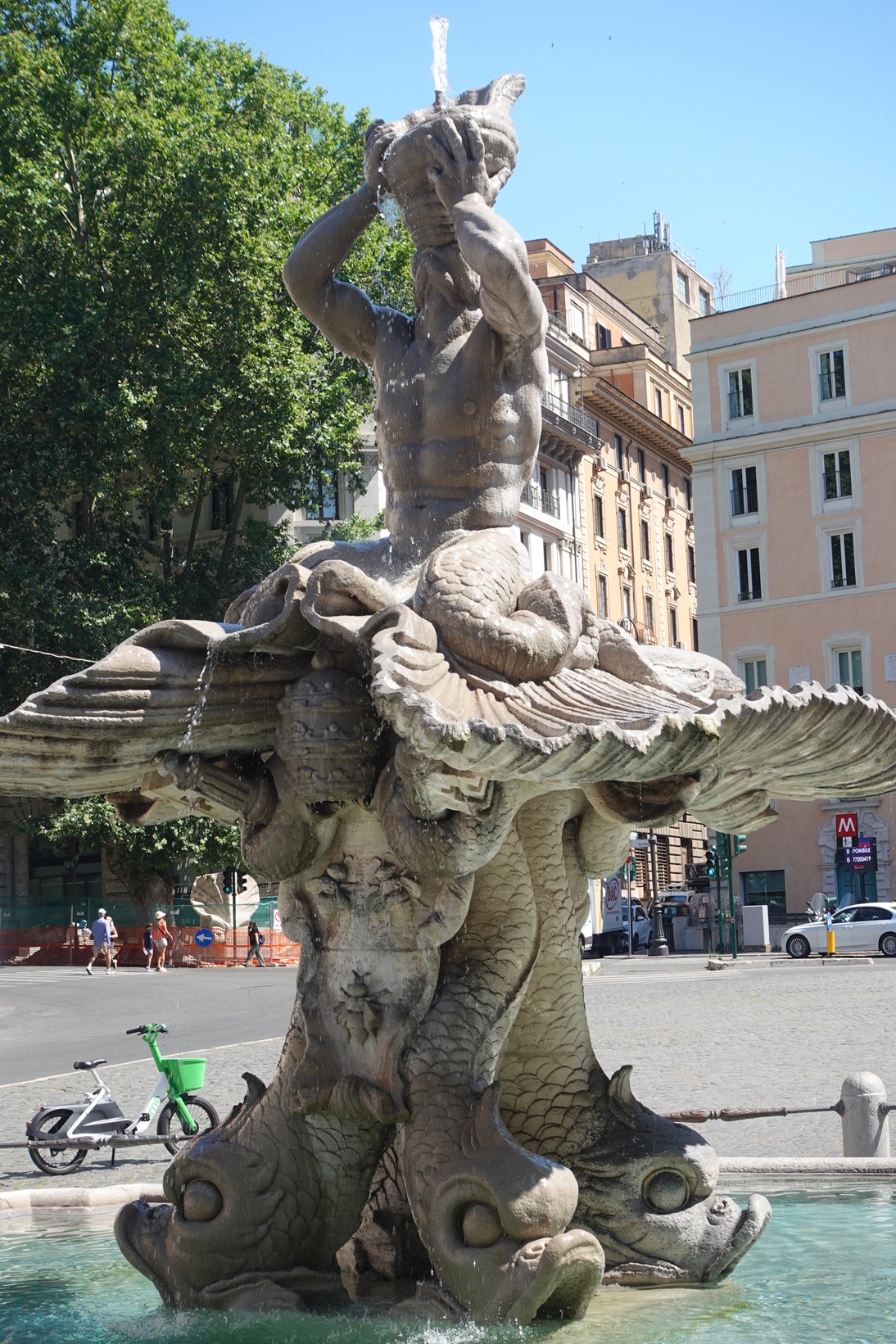
Fontana del Tritone in Piazza Barberini, by Bernini. Created in 1642, it has the sea god, Triton, on a scallop shell, blowing water through a conch shell, while dolphins jaunt about in support. There are two beehives, with bees, which are the symbol of the Barberini family.
The Barberini brothers, Carlo and Antonio, gained a fortune as grain, wool and textile merchants in Florence in the 16th century. As a consequence of the suppression of the Florentine Republic by Holy Roman Empire troops in 1531, and the creation of a hereditary monarchy in Florence, under the Medici, the family moved to Rome. Antonio was murdered by the Medici loyalists in 1559. Carlo’s son, Franceso Barberini, became a tycoon and bought into positions in government and the Catholic Church. Through his insider contacts, he avoided penalities for conflicts of interest, running a business while holding church office. His nephew, Maffeo, became Pope Urban VIII in 1623, whose first acts were to lode titles and cardinal positions on his extended family.
A contemporary, John Bargrave, wrote: “Upon his elevation, his kindred flew from Florence to Rome like so many bees, to suck the honey from the Church, which they did excessively.” The bee is the heraldic symbol of the family, ironically enough.
It seems that a modern day American family has read history…..
Their nepotism seems to have been too much, and the family were soon forced into exile to Paris, but eventually were able to regain their wealth and privileges. As benefactors of art, the family still holds possessions in Rome.
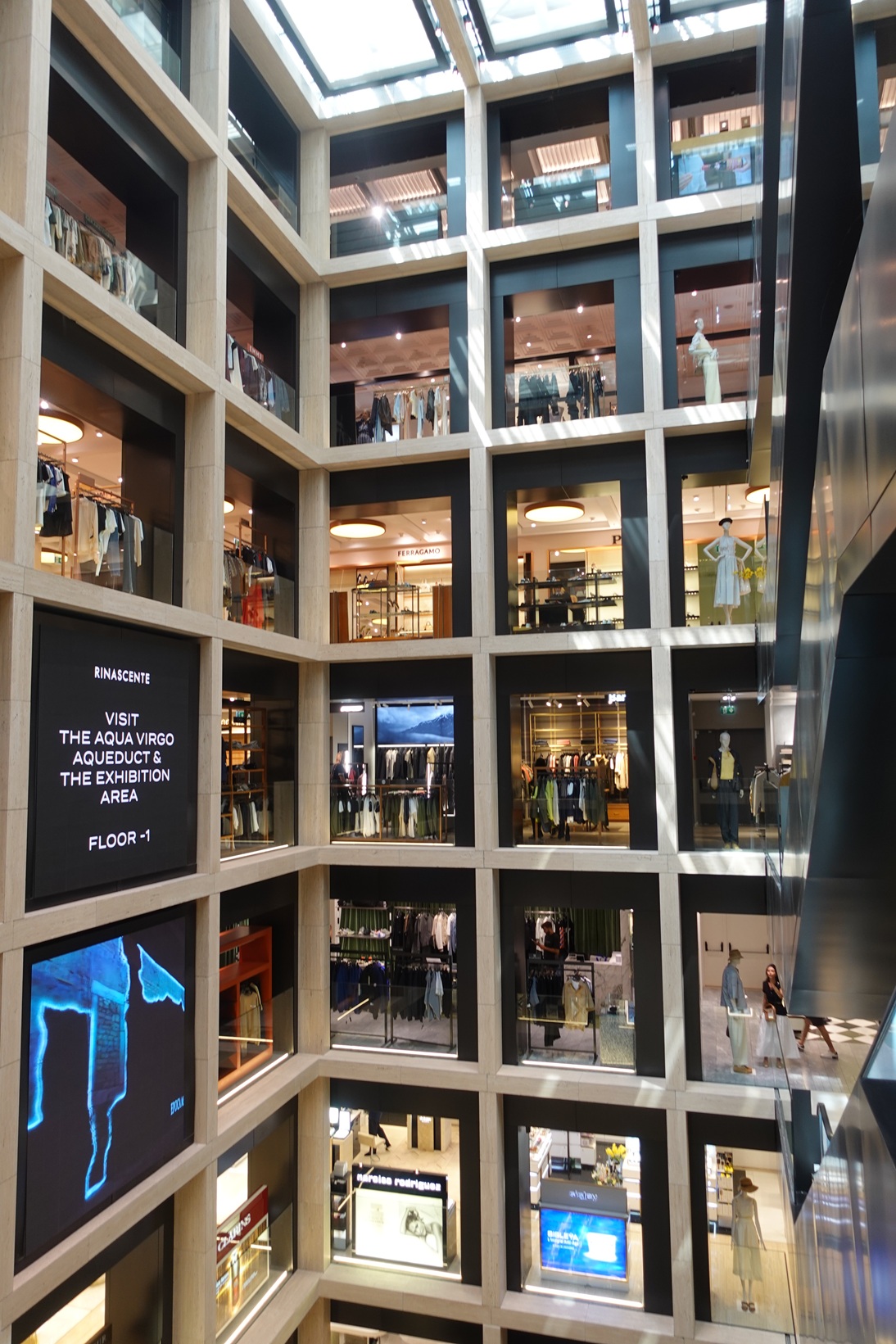
Interior of the Rinascente department store, Rome.
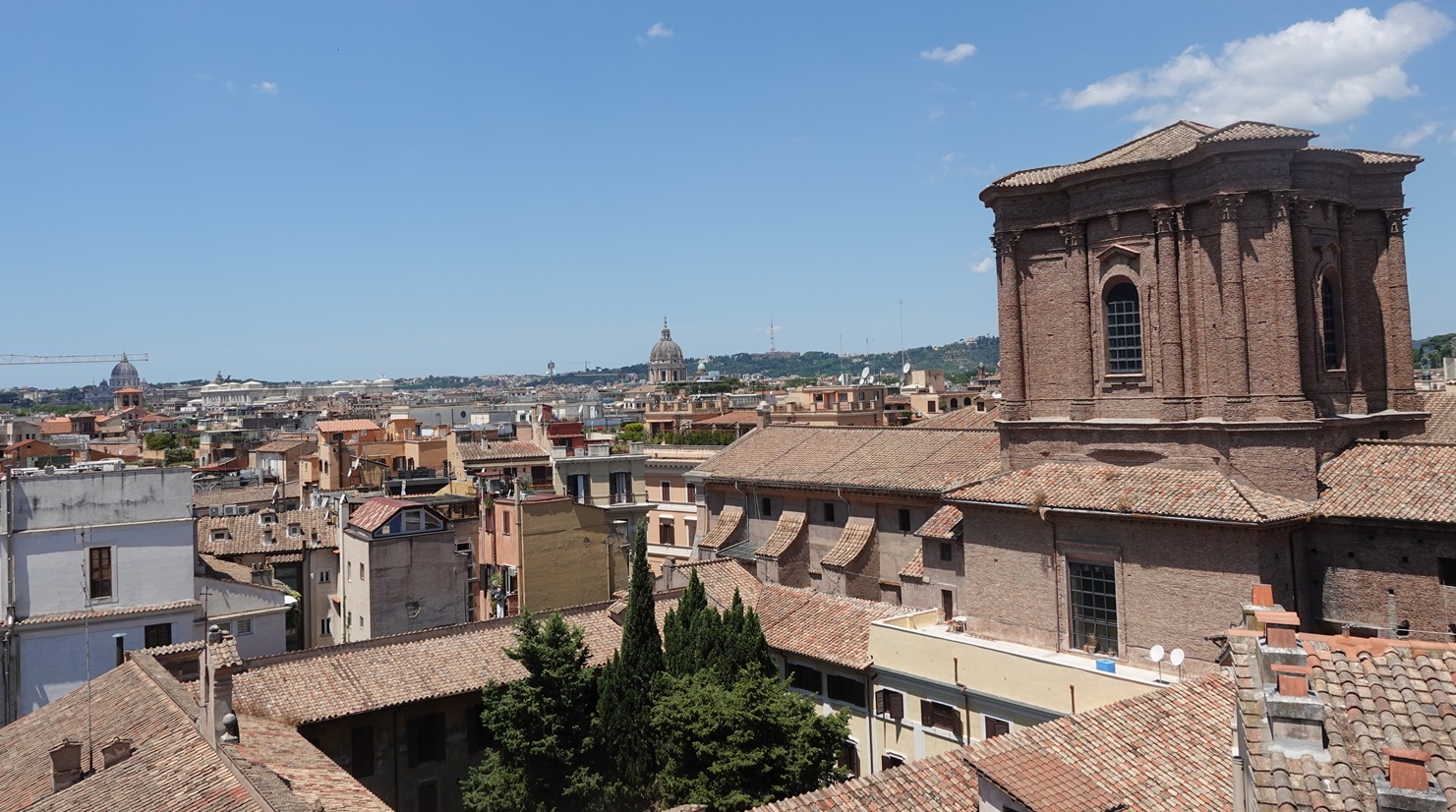
View of Rome from the rooftop restaurant of the Rinascente.
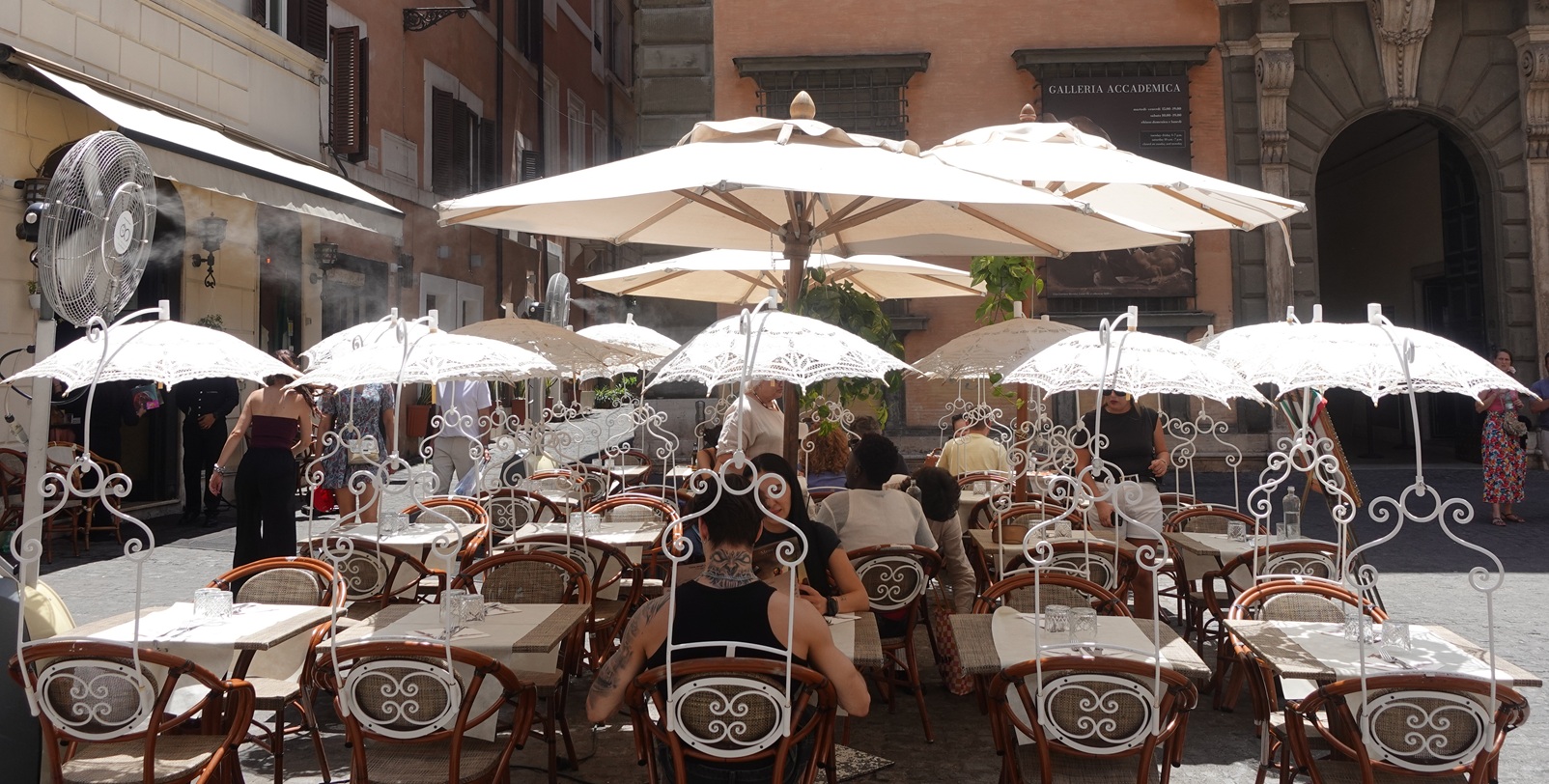
Parasols outside a cafê. A nice creative touch, providing shade and cool mist.
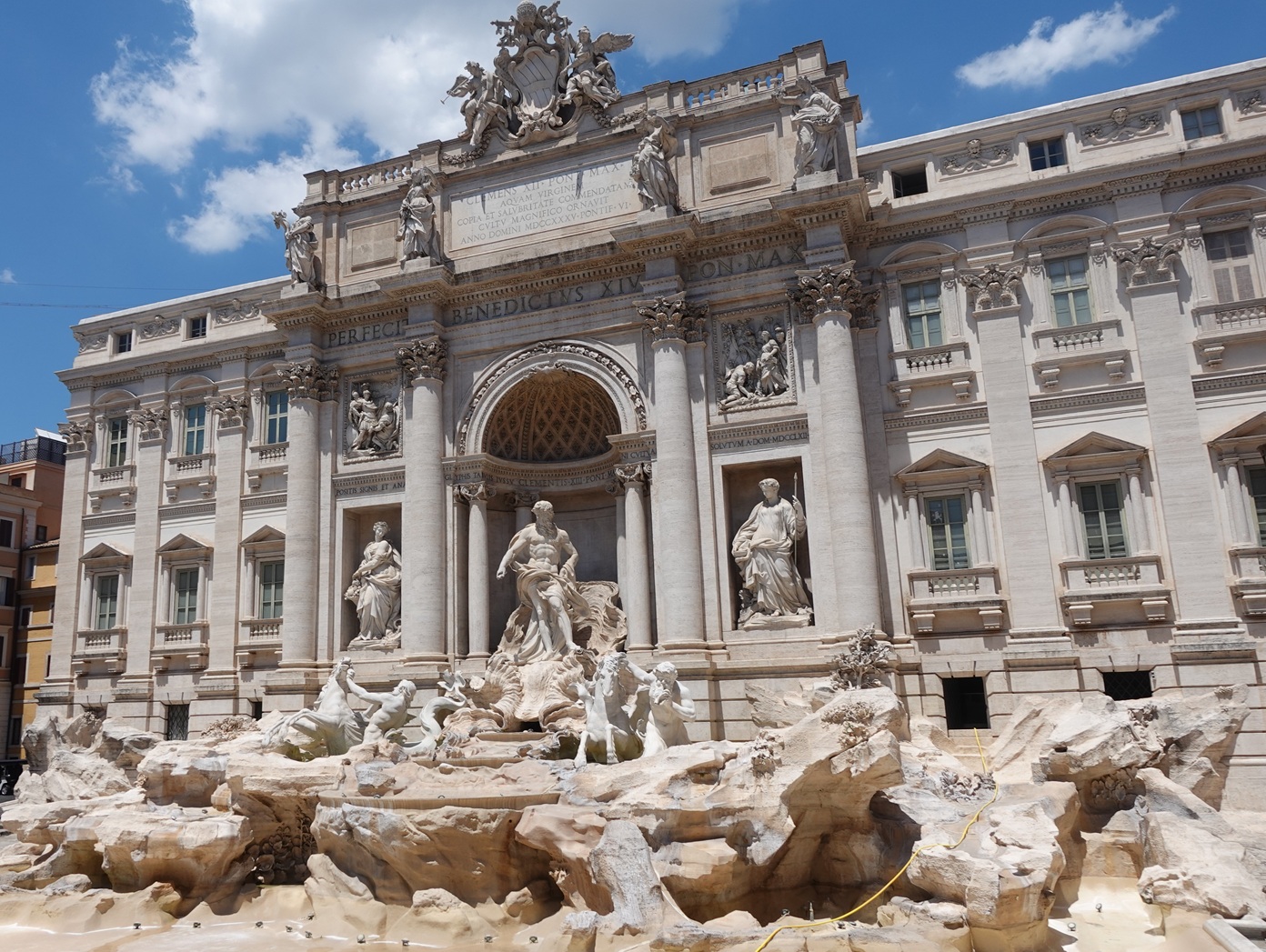
Trevi Fountain. The largest fountain in Rome. Built in 1762 by Nicola Salvi in Rococo style, it features seahorses, conch-blowing Tritons, rocks and palm trees, embedded in the side of Palazzo Poli.
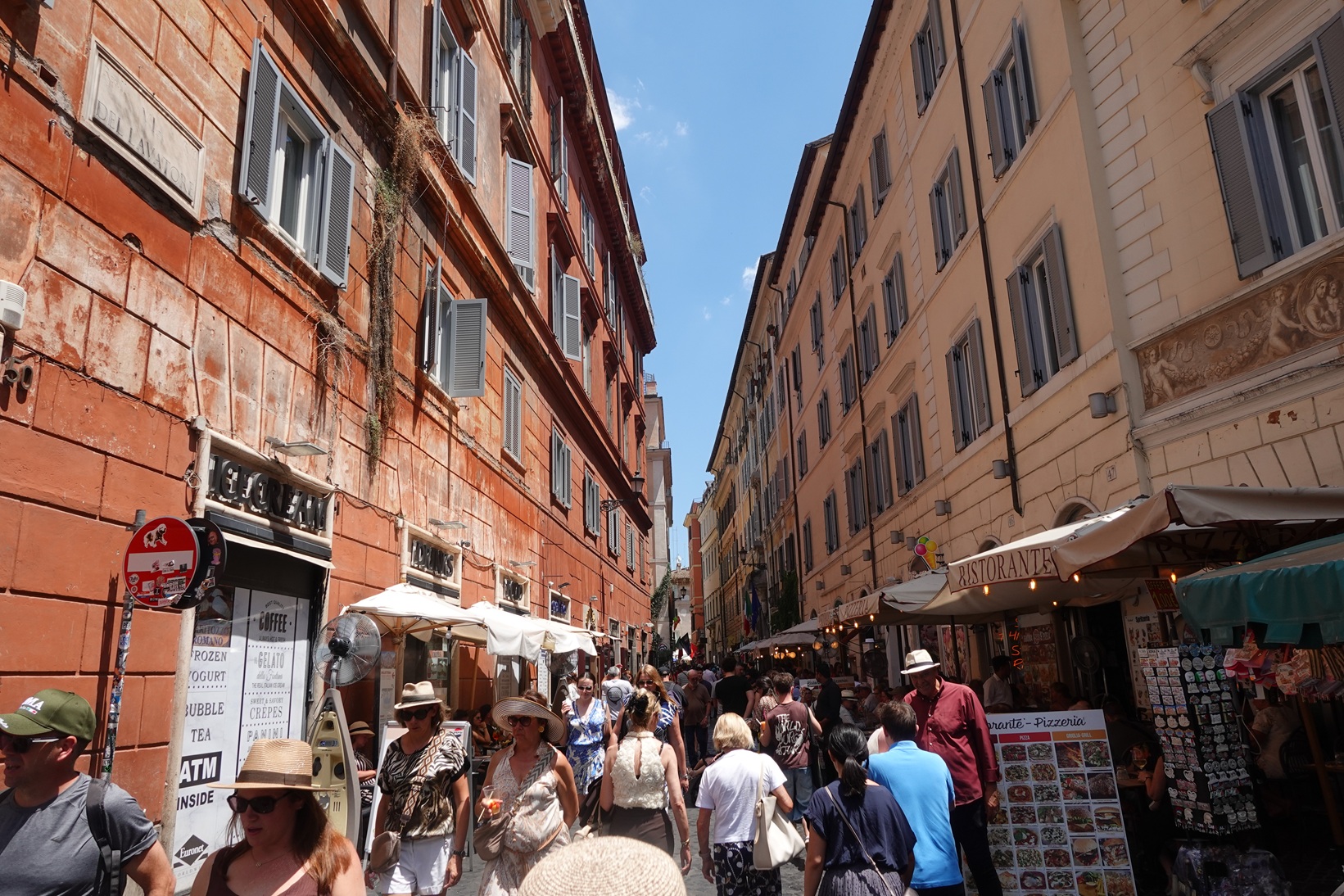
Street scene. The intense flux of tourism is a marked change from our first experiences of the city, although an evident traffic reduction system has improved congestion on the roads.
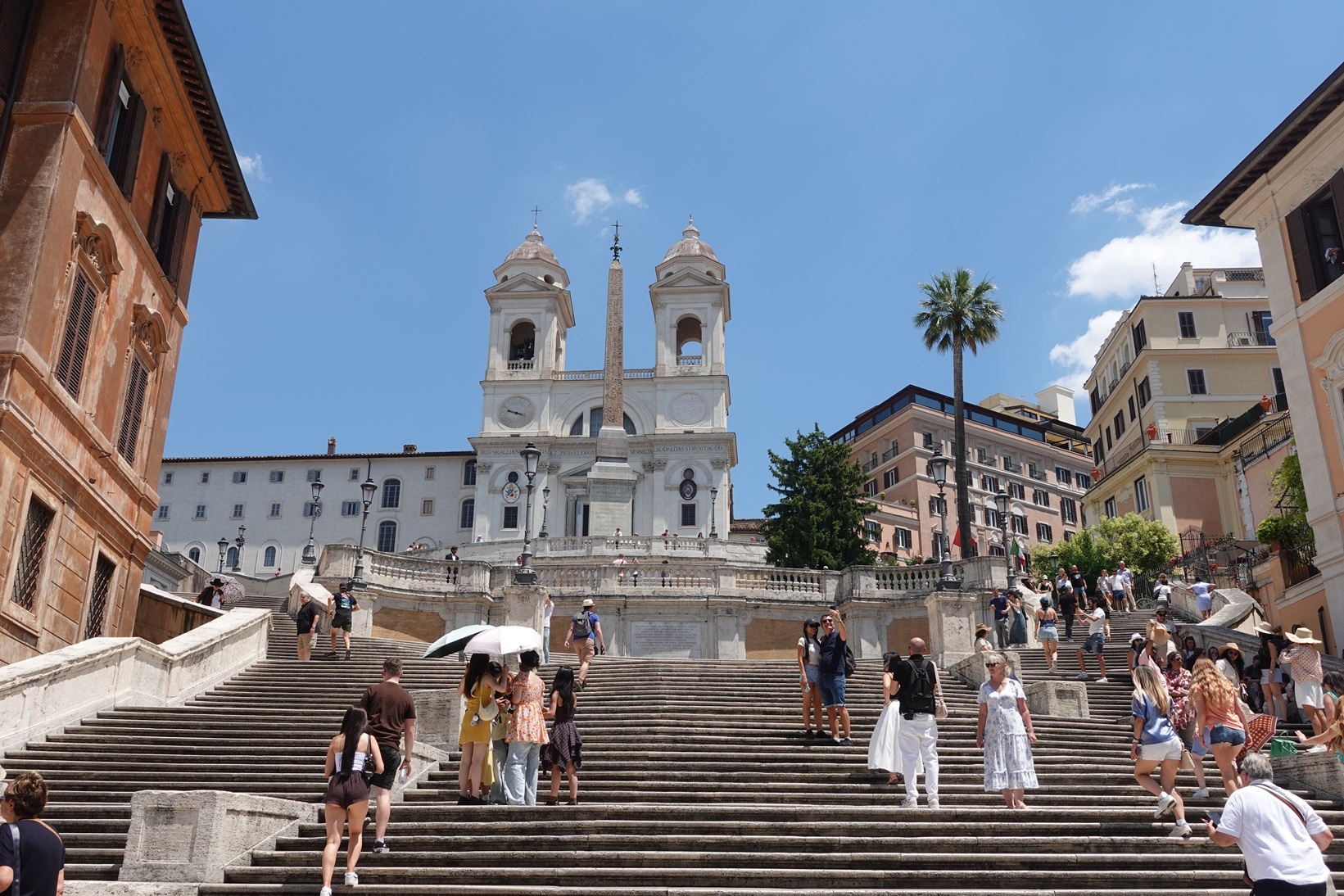
The Scale Spagnole at the Piazza di Spagna. In the 17th century the Spanish embassy was located here, and the area in the vicinity was considered Spanish territory. Anyone who trespassed ran the risk of being dragooned into the Spanish army!
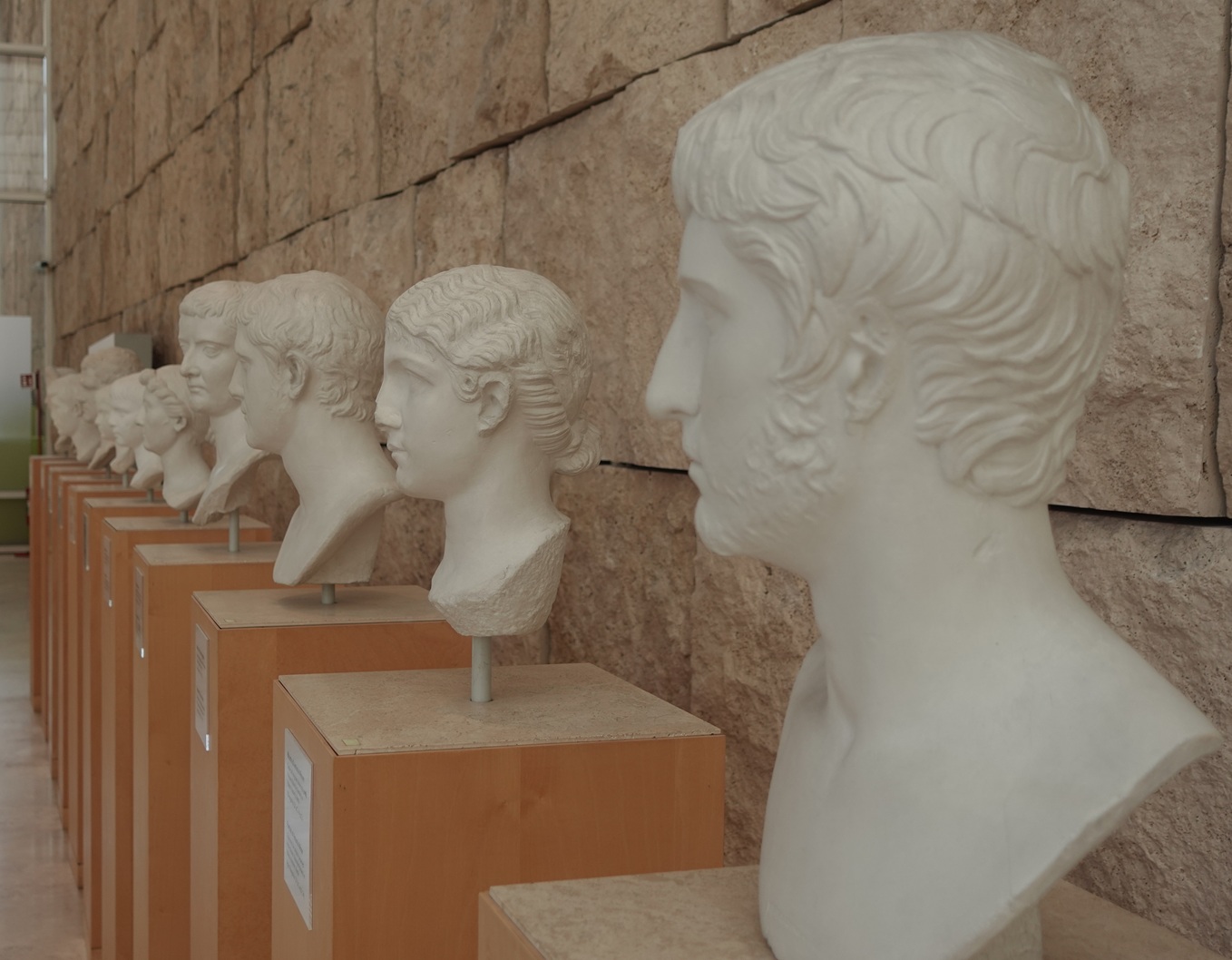
Busts of major figures and emperors at the Ara Pacis Museum. The first is of Julius Caesar, the uncle of Augustus, who became the first emperor, and to whom the mausoleum alongside the museum is dedicated.
The emperors broke with the earlier tradition of life-like sculptures, and moved to idealised “photoshopped” versions of themselves.
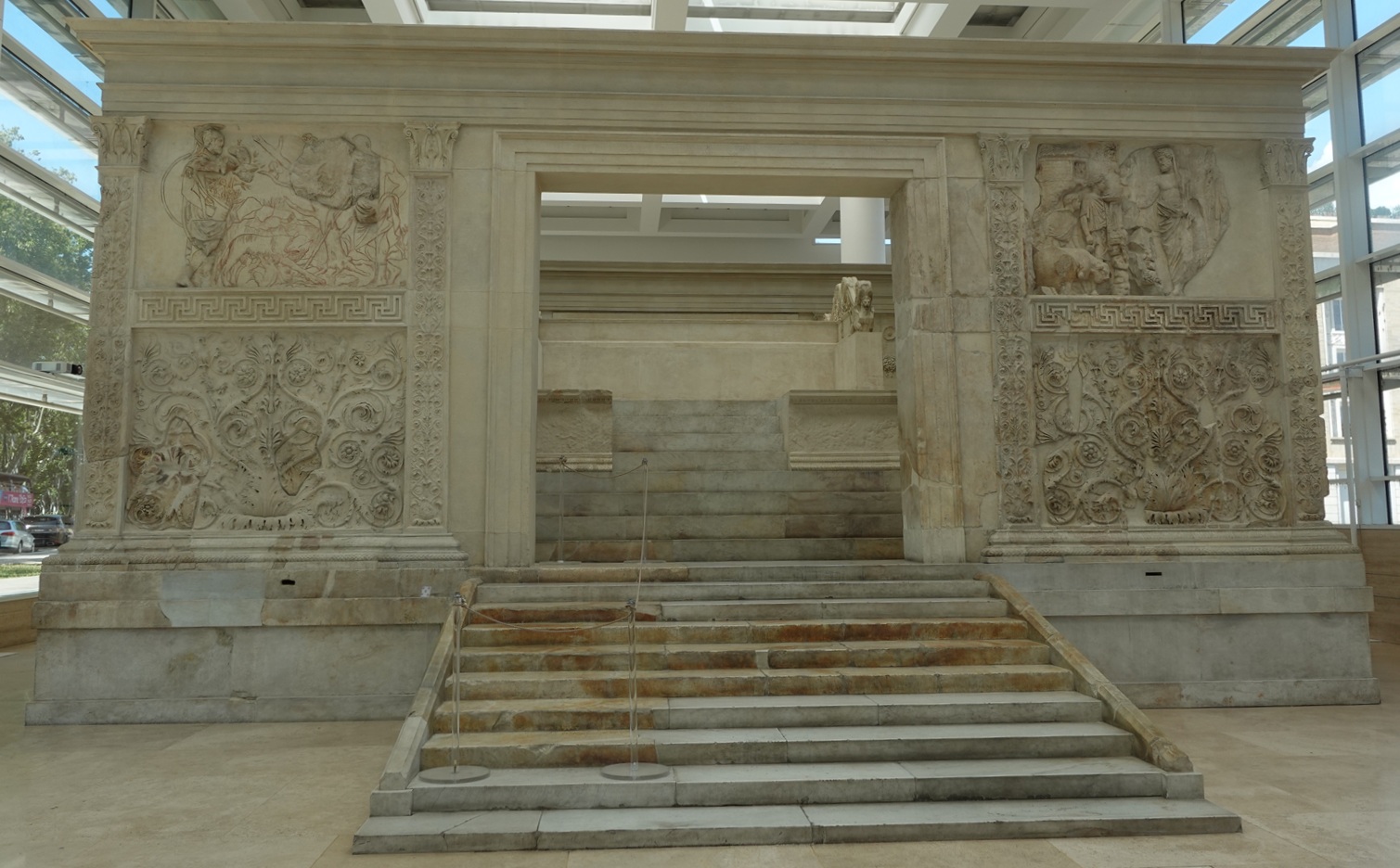
The Ara Pacis Monument. This Altar of Peace celebrates the “peace” earned by Augustus through his campaigns in Gaul and Spain. It was commissioned in 13 BCE. Cleverly, it was positioned in such a way that exactly on Augustus`s birthday, the shadow cast by an obelisk sundial on Campus Martius would fall on the monument. The reconstruction was possible only after extensive search across the world for looted pieces.
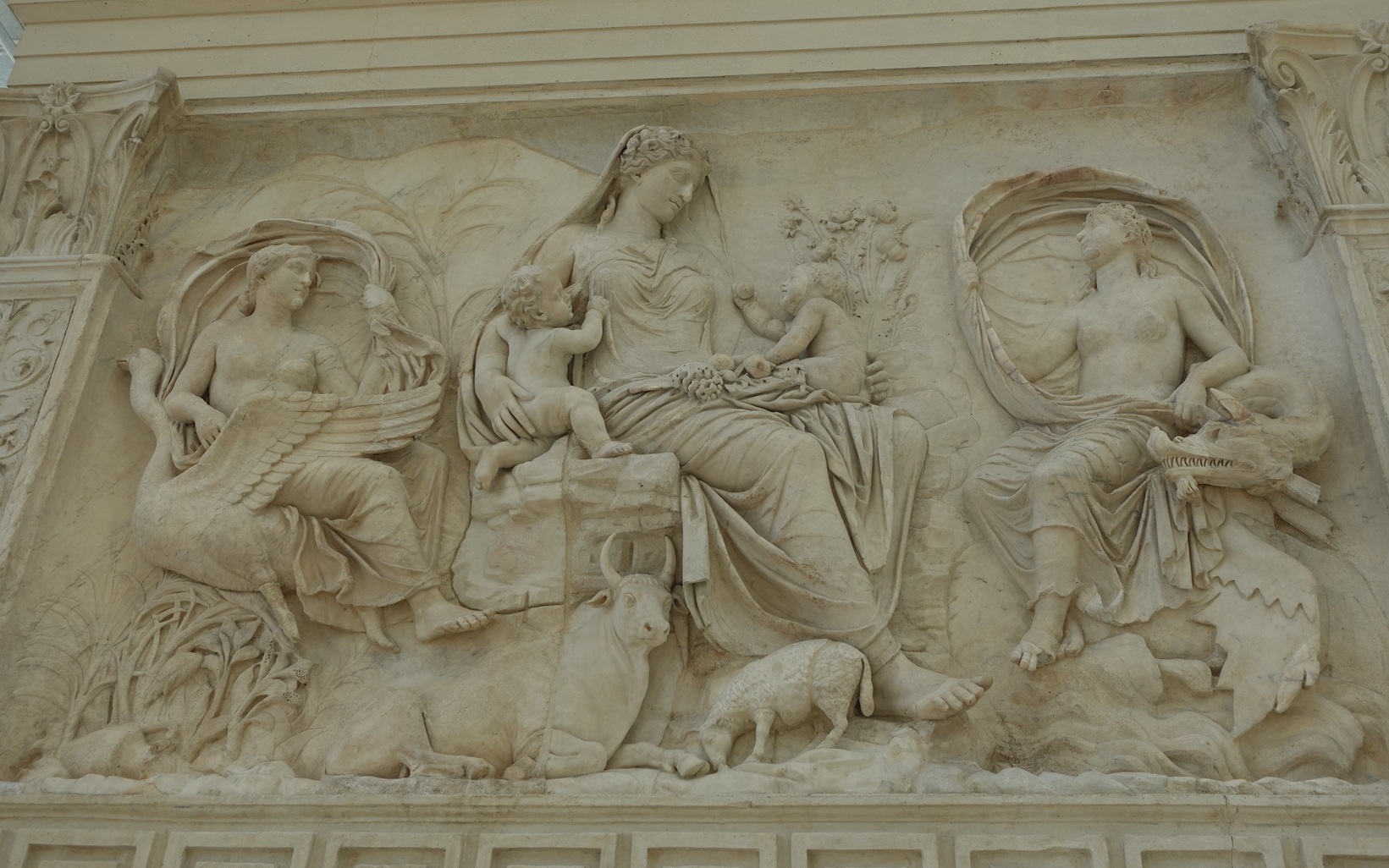
The monument has many friezes and reliefs carved into a storyline that recounts major events in the history of Rome, leading to the reign of Augustus, where it was all divinely destined, obviously…..
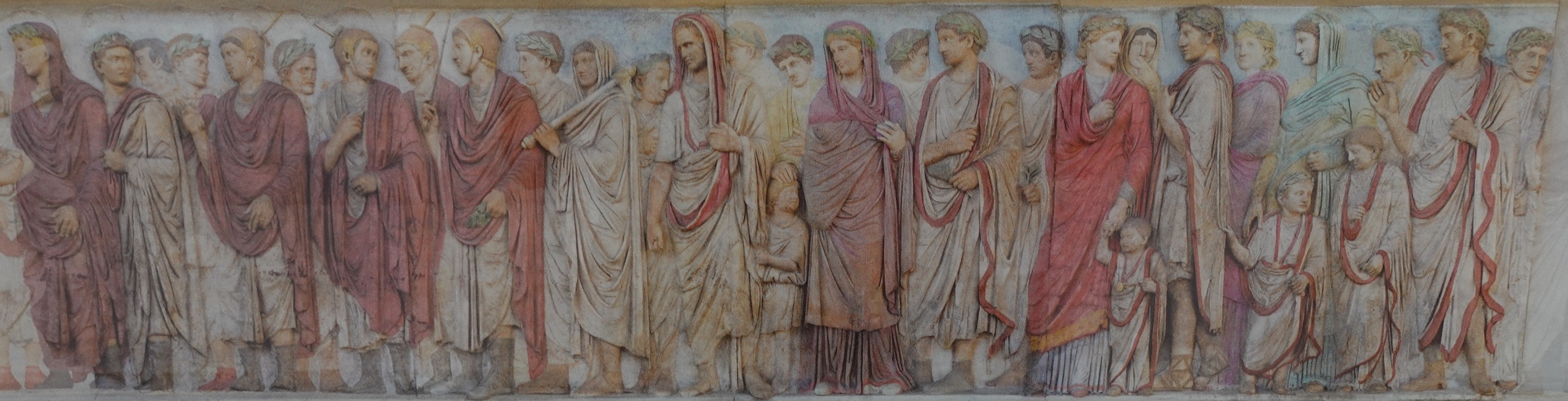
The friezes and reliefs are today, like everywhere in Rome, plain white marble. But, there is evidence that they were once colourful, as this recreation suggests.
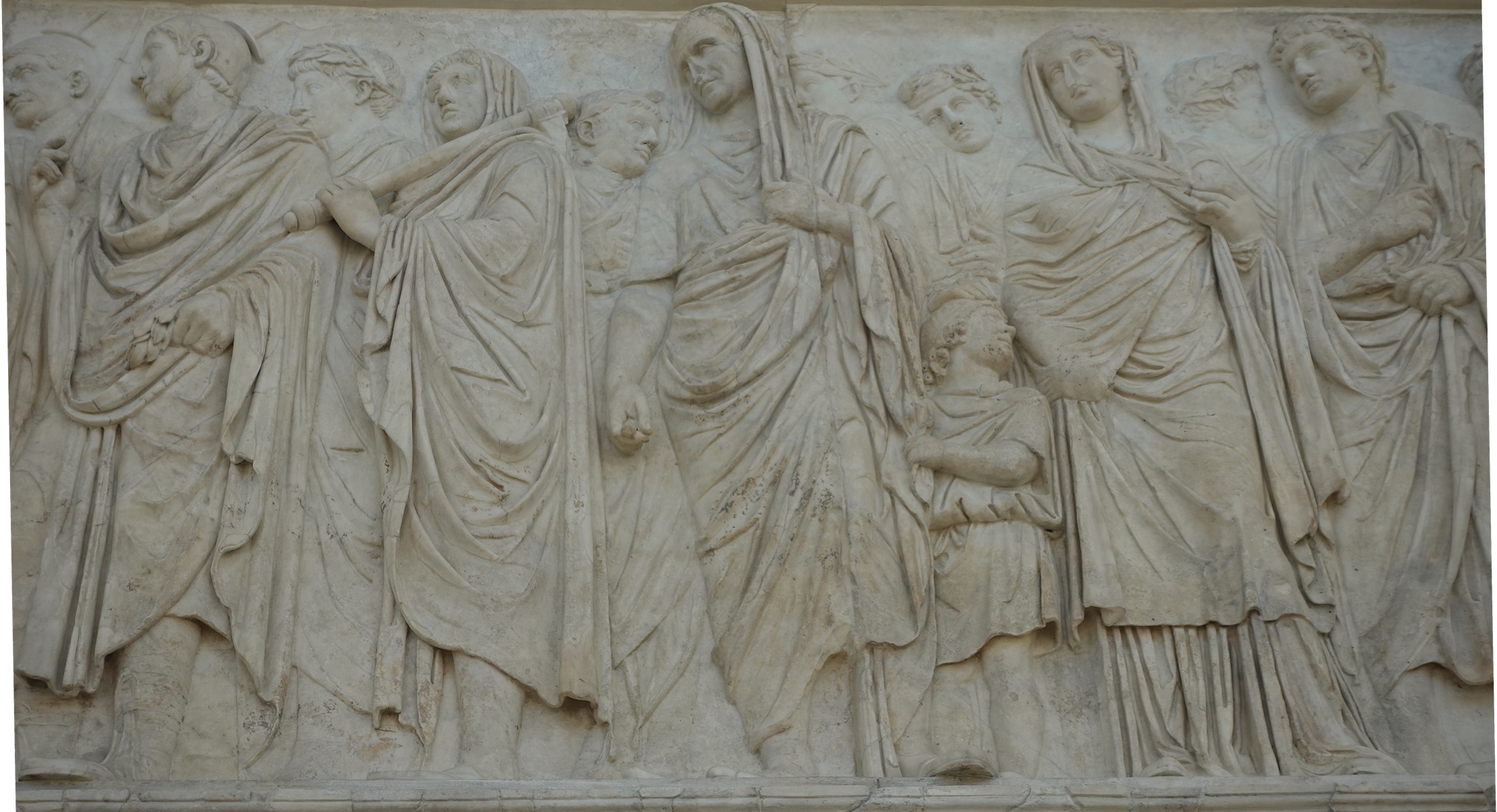
Frieze close-up
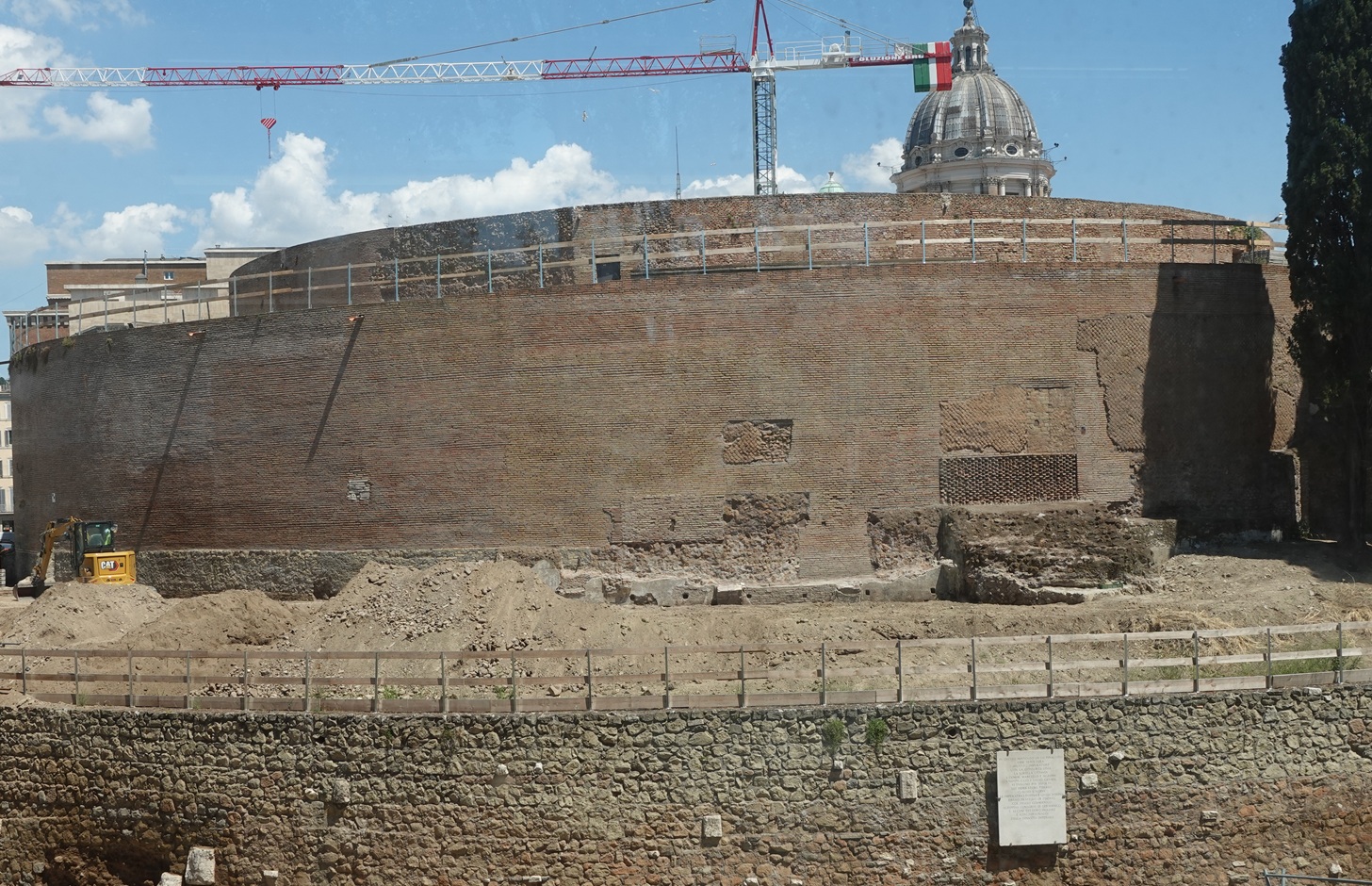
Augustus Mausoleum. This monument was to establish Augustus as a foundation stone of Rome, although his legacy was to bring misfortune and trauma to the empire through hereditary (more usually adoptation) dictatorships of his followers.
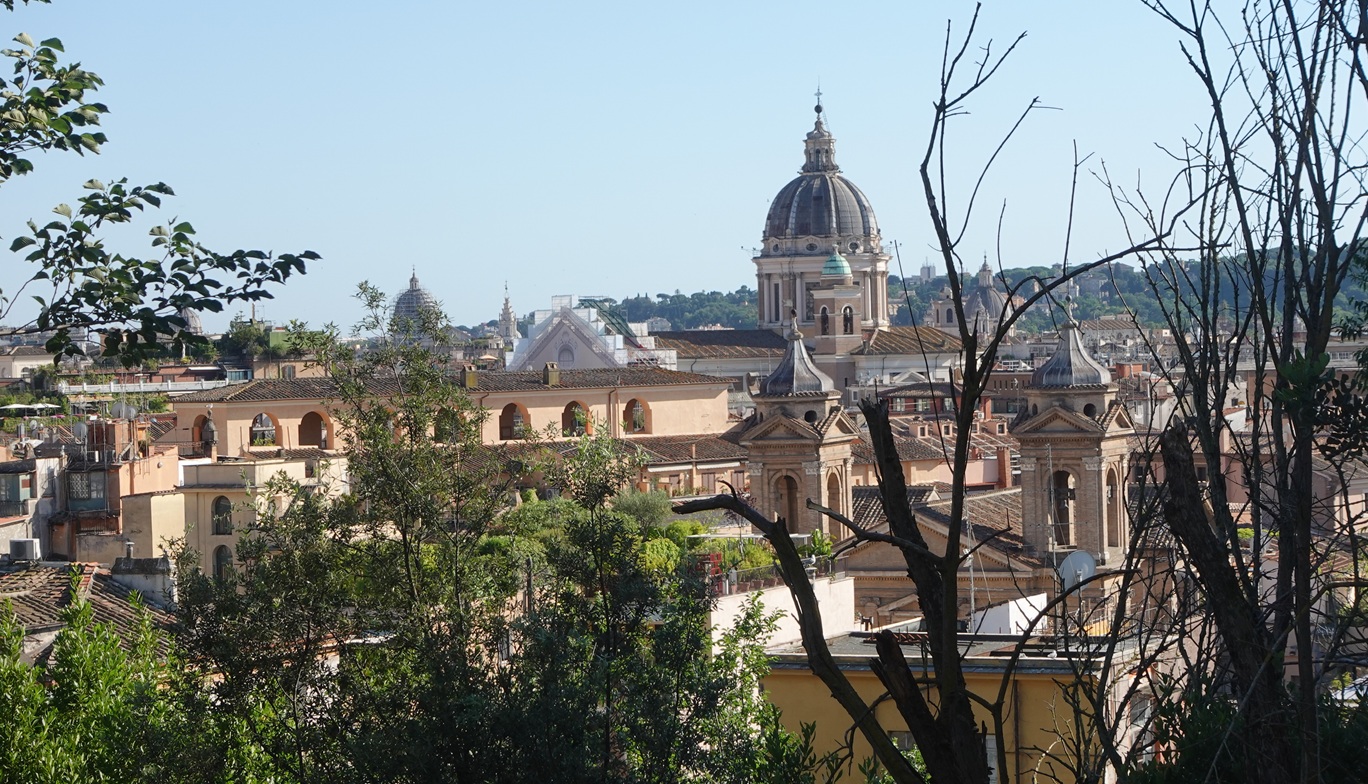
View of Rome from atop the Viale Trinità dei Monti.
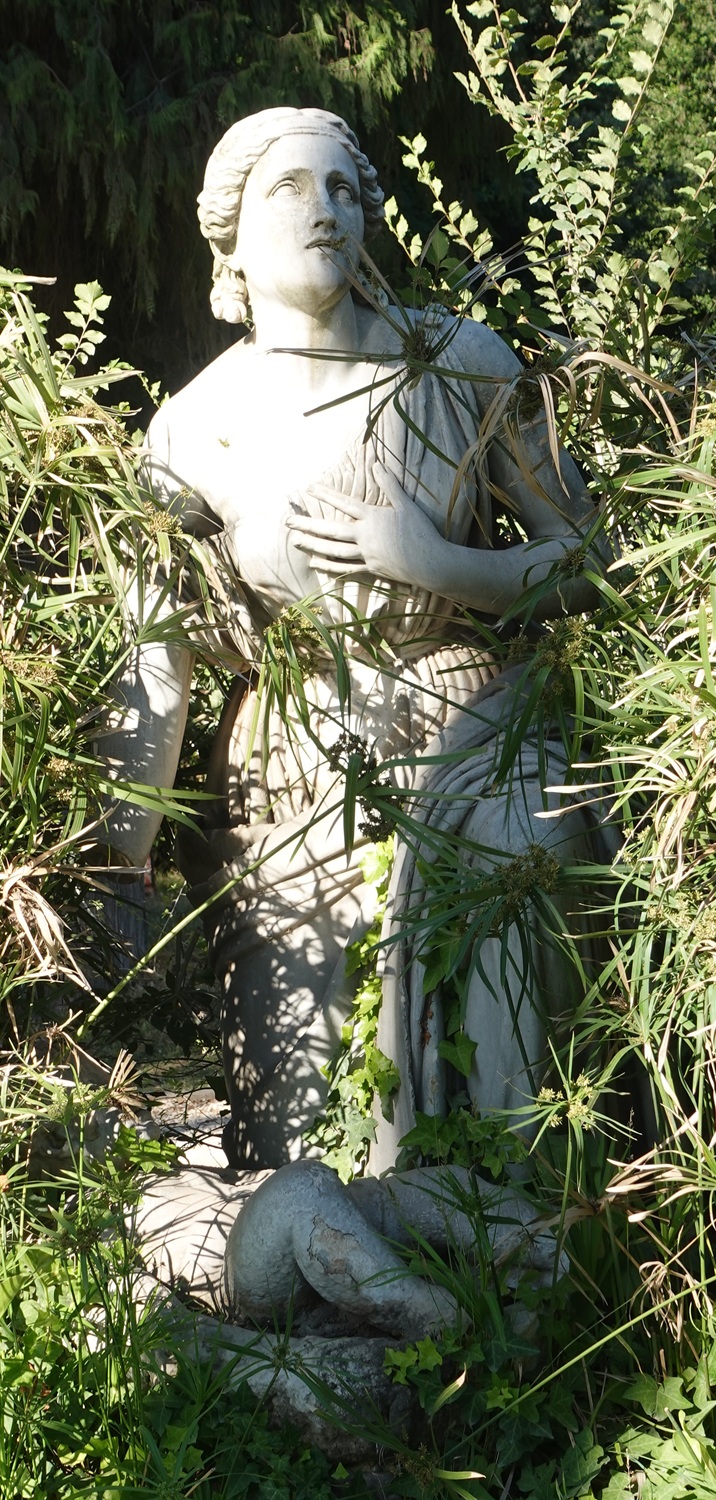
An enchanting sculpture peeps out of a fountain island in the Villa Borghese gardens.
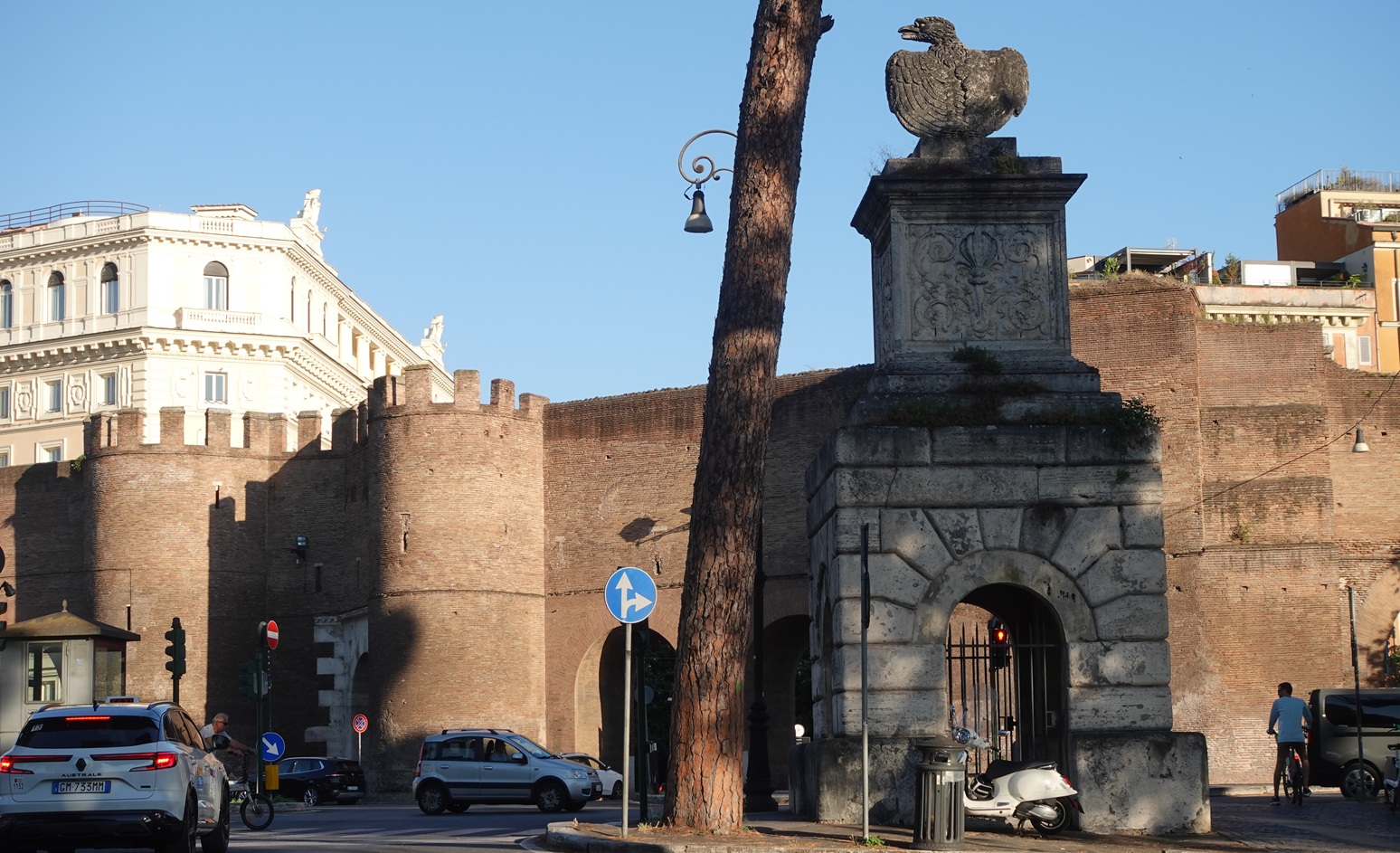
Aurelian Wall, remarkably intact, interacting with the modern transport routes.
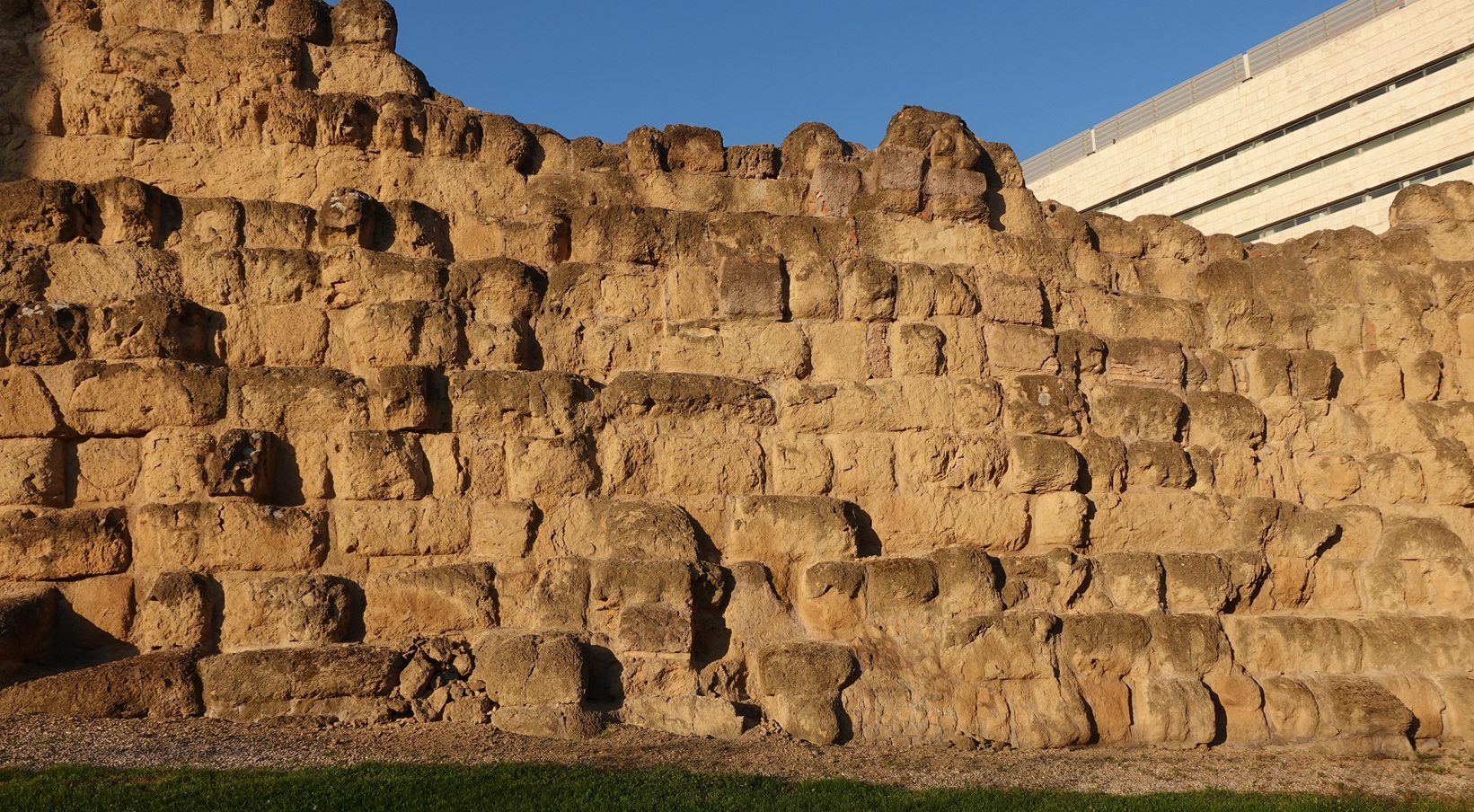
The 4th century BCE Servian Wall outside Termini Station