Rome-Naples June 2026
Day 16: Friday 19 June 2026
Sorrento – Amalfi – Salerno
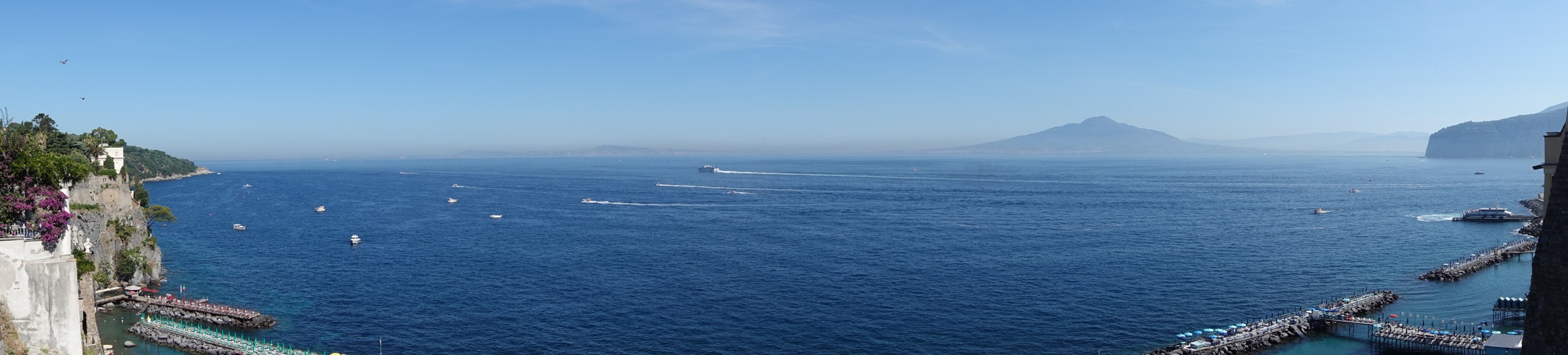
Panaorama of the Gulf of Napoli from Sorrento.
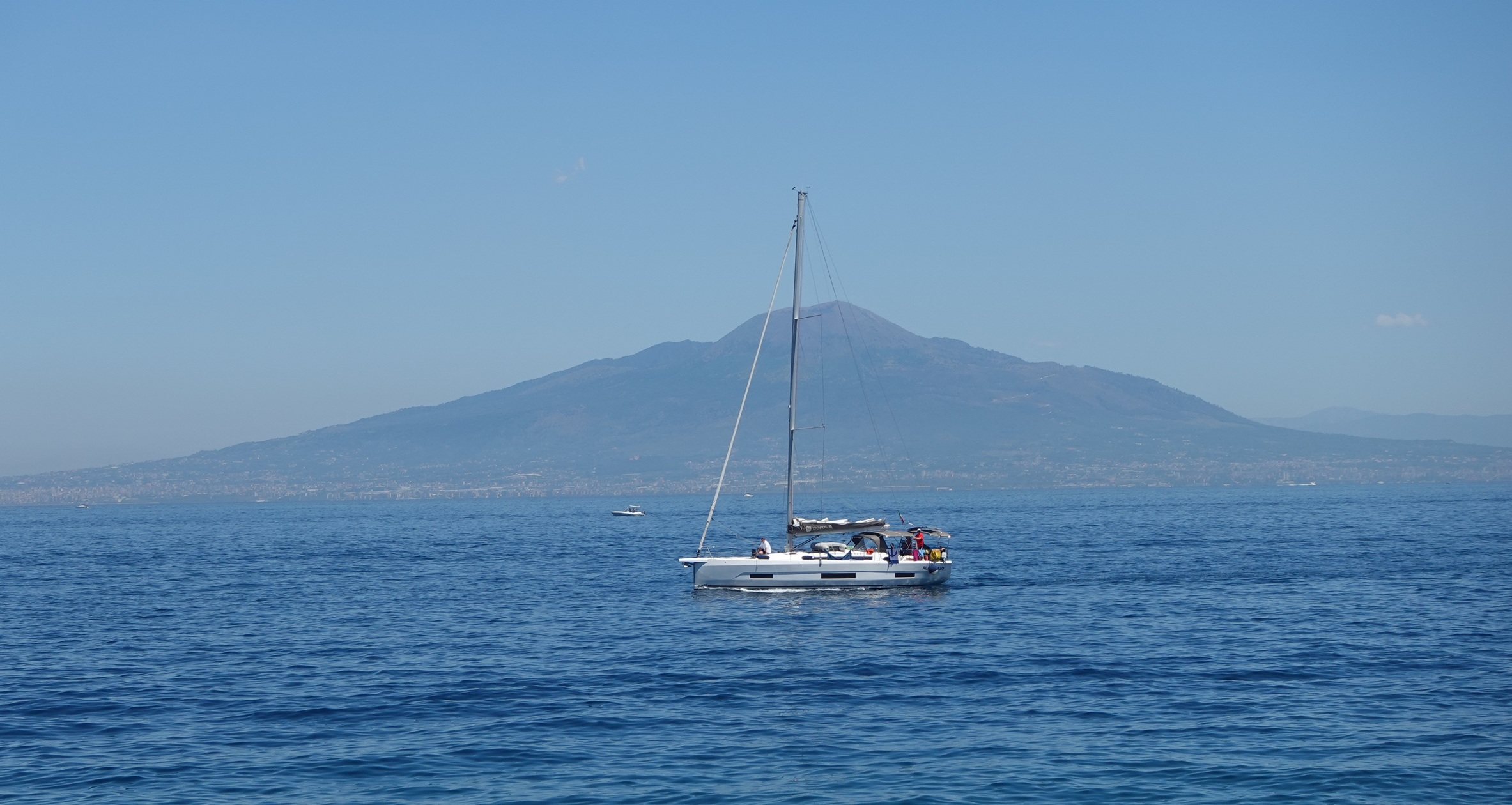
Monte Vesuvio
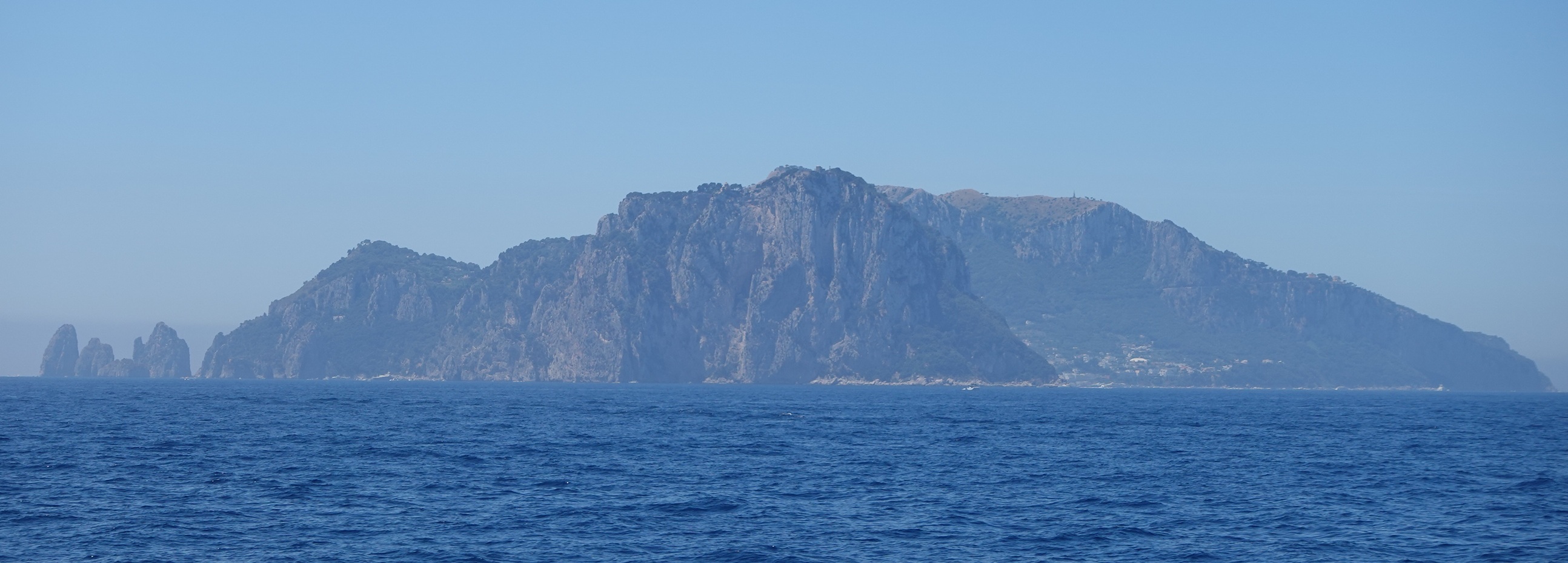
The Island of Capri, seen as we approached the end of the Sorrento Peninsular.
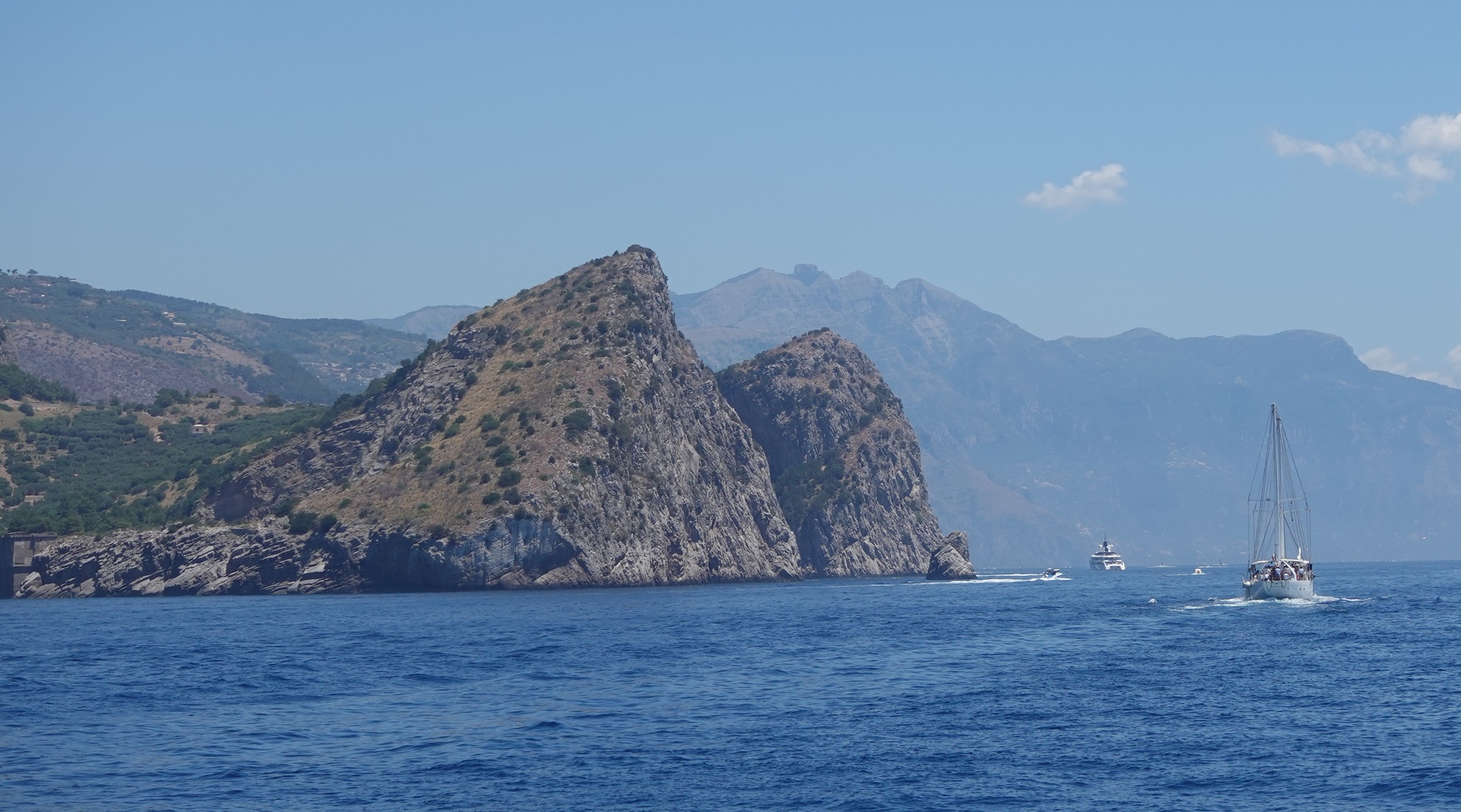
The craggy point at the end of the Sorrento side of the Peninsular, which we rounded to run along the Amalfi Coast.

The Amalfi Coast, before Positano (approaching from the west).
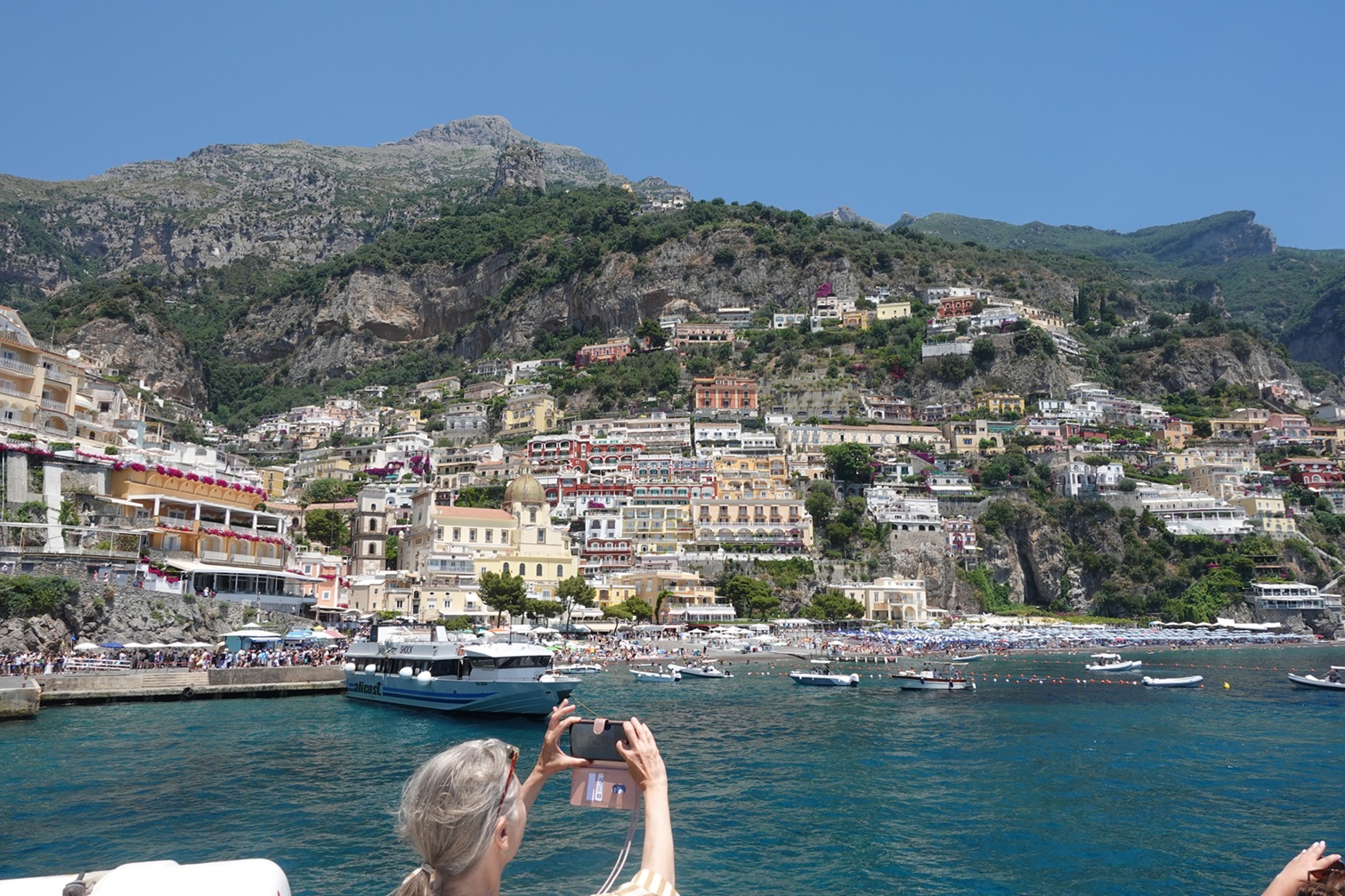
Positano
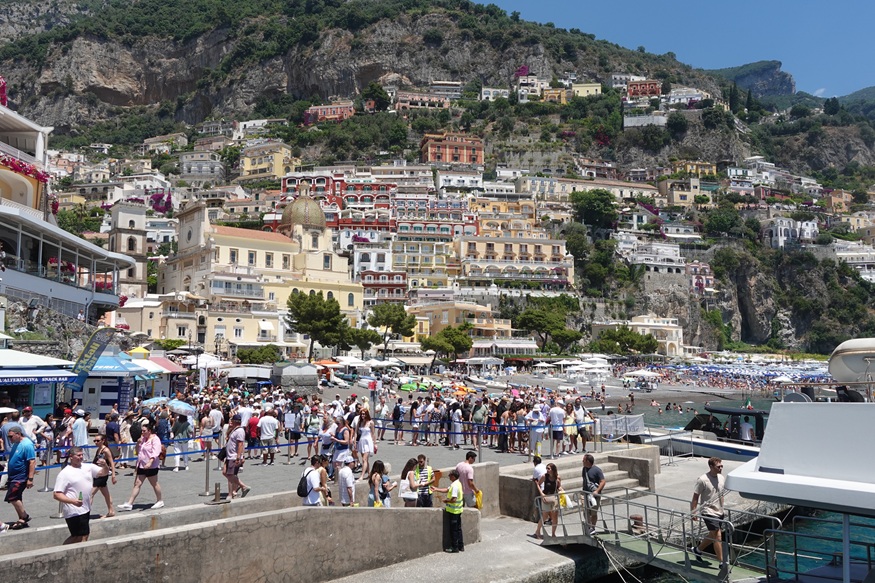
Positano harbour
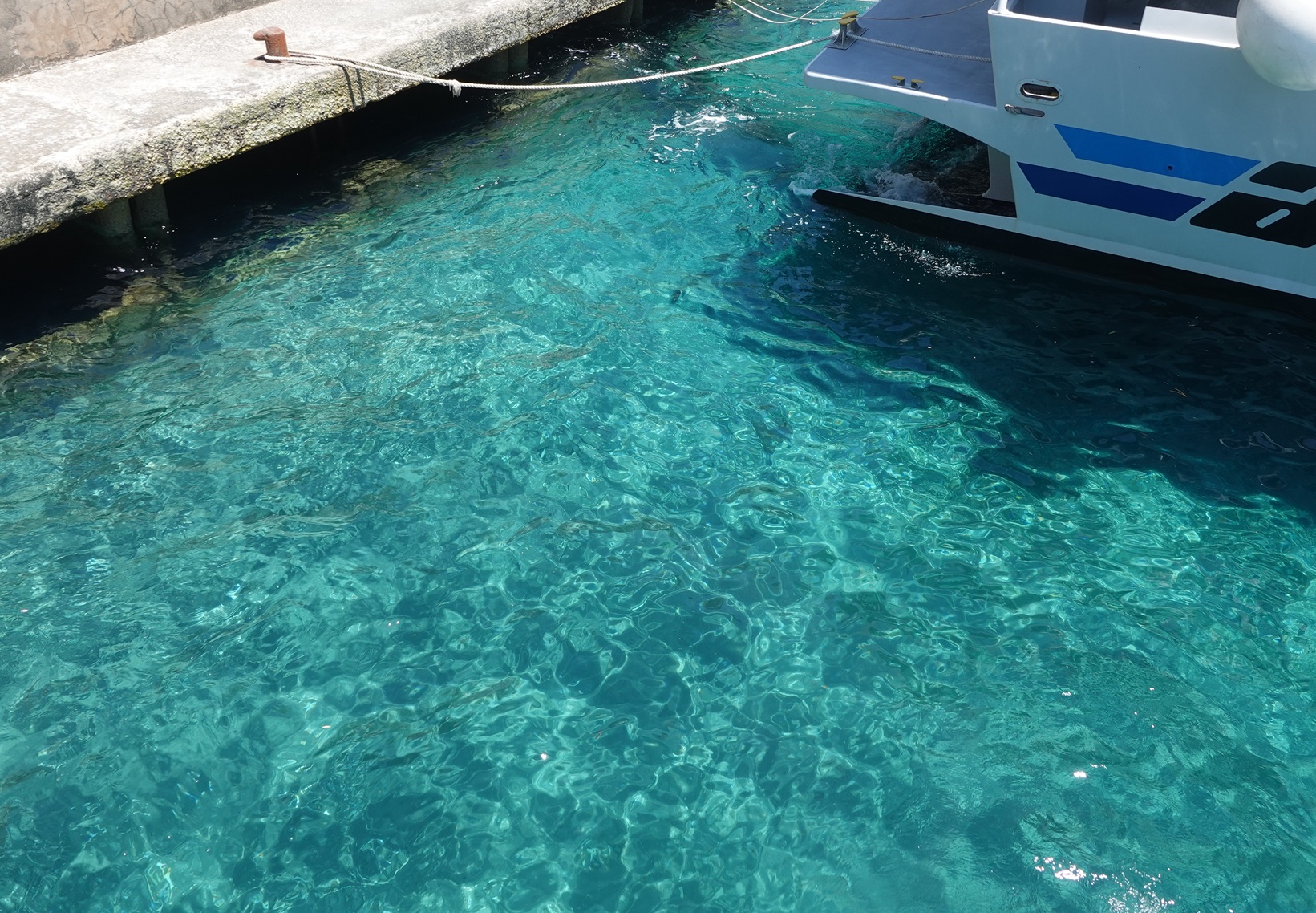
Emerald water at Positano.
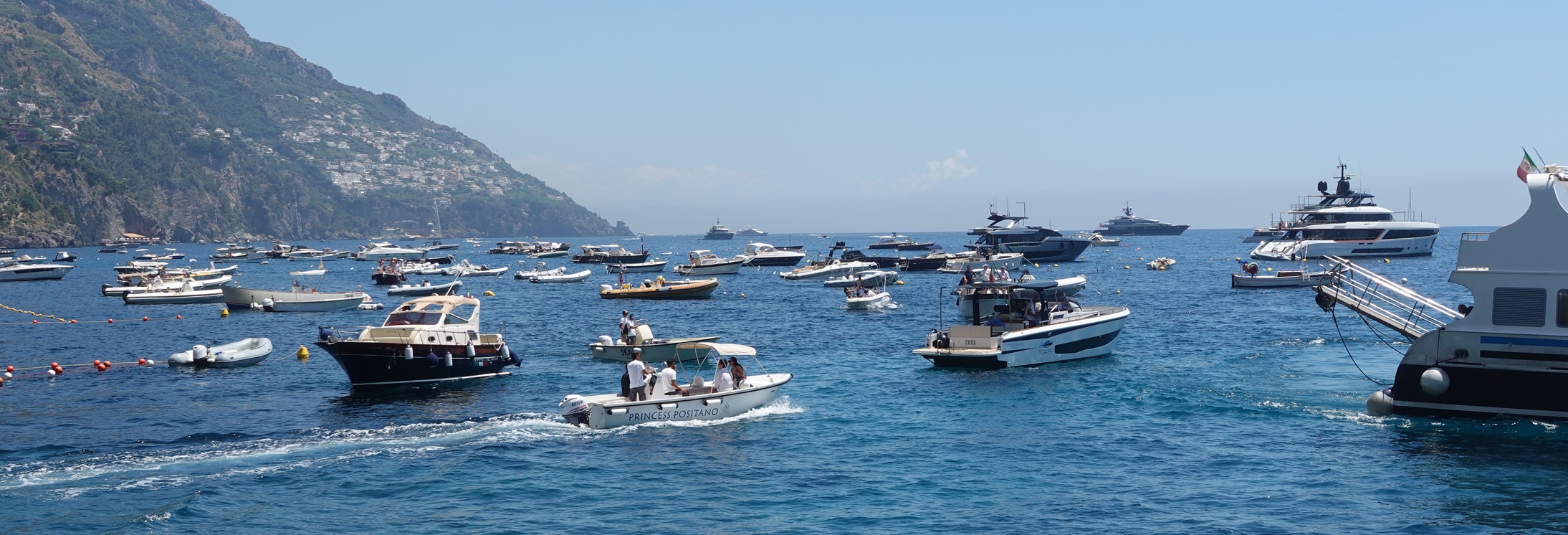
Watercraft packed in at Positano.
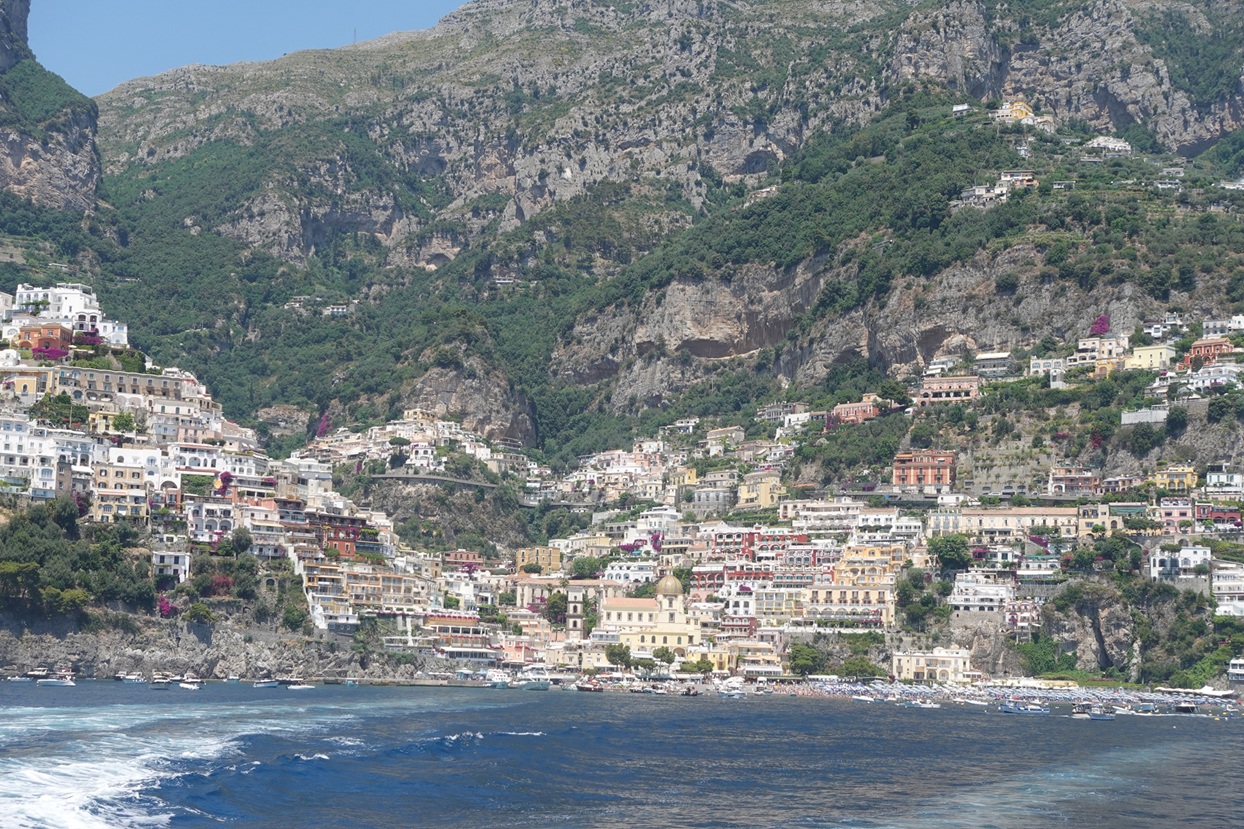
Amalfi
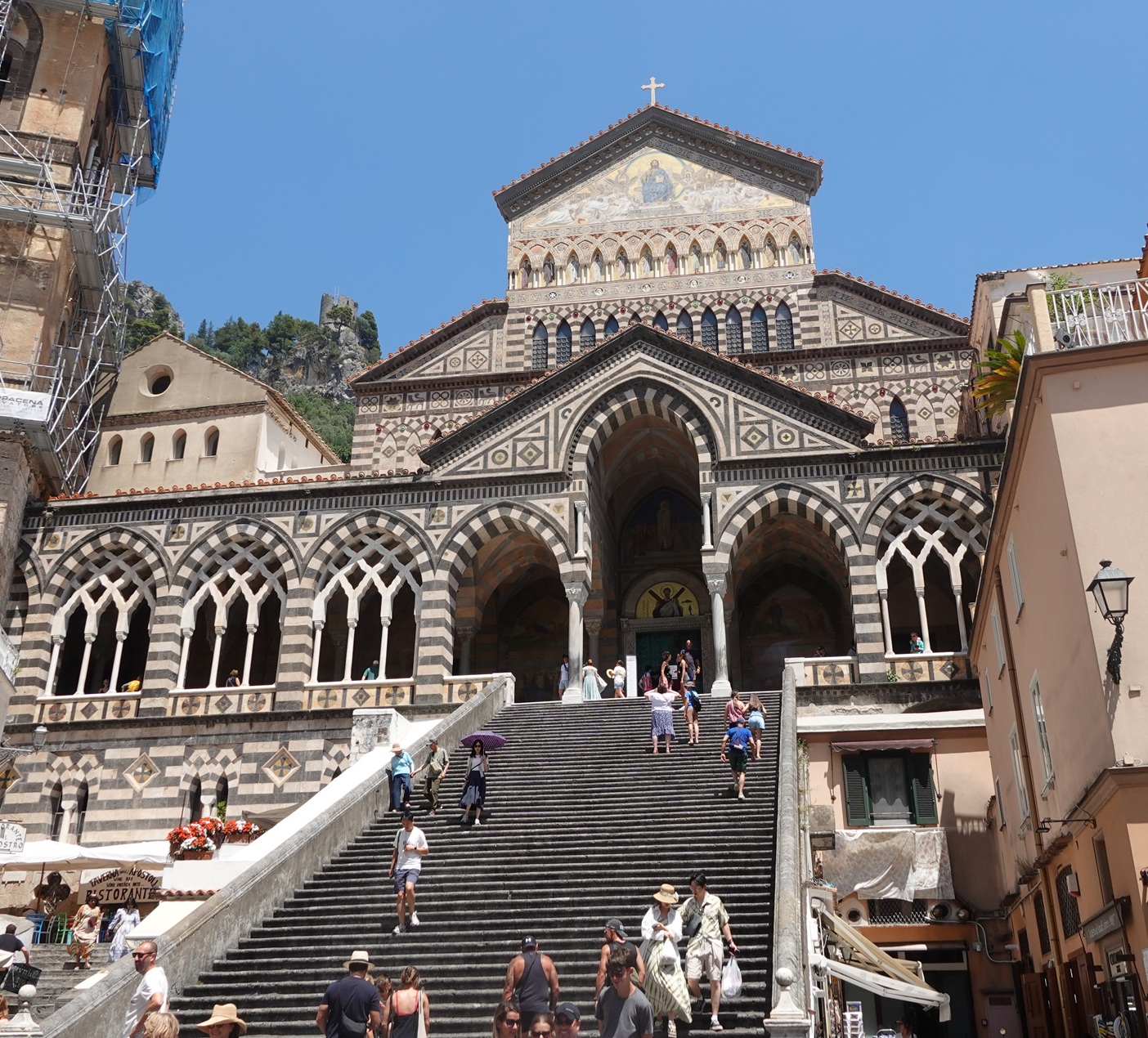
Complesso Monumentale di Sant`Andrea, Amalfi.
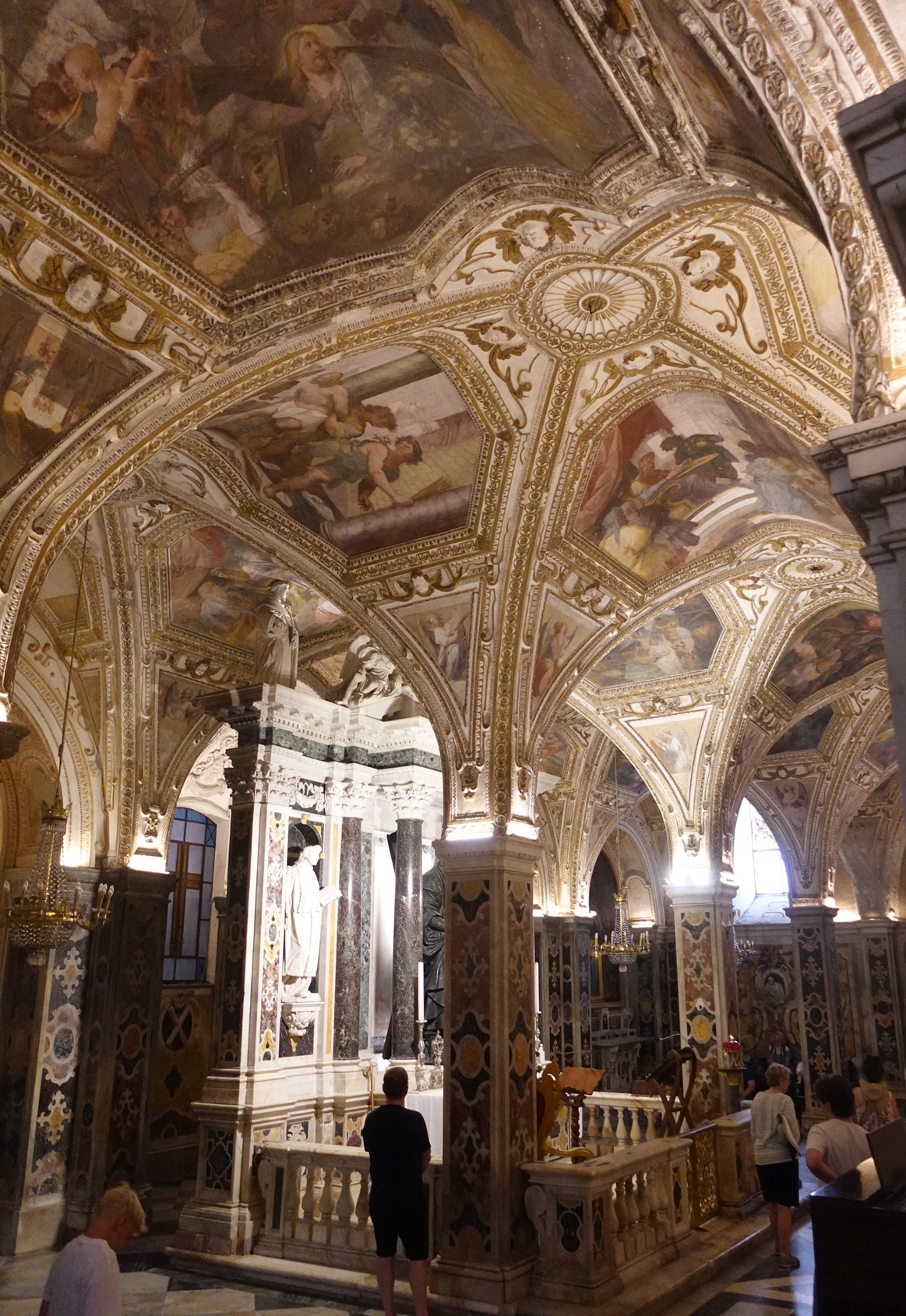
Crypt. Saint Andrew was crucified at Patrasso, and his body was taken to Constantinople. Cardinal Pietro Capuana, during the IV Crusade, brought some relics of St. Andrew to Amalfi, then a major trading hub in the Mediterranean.
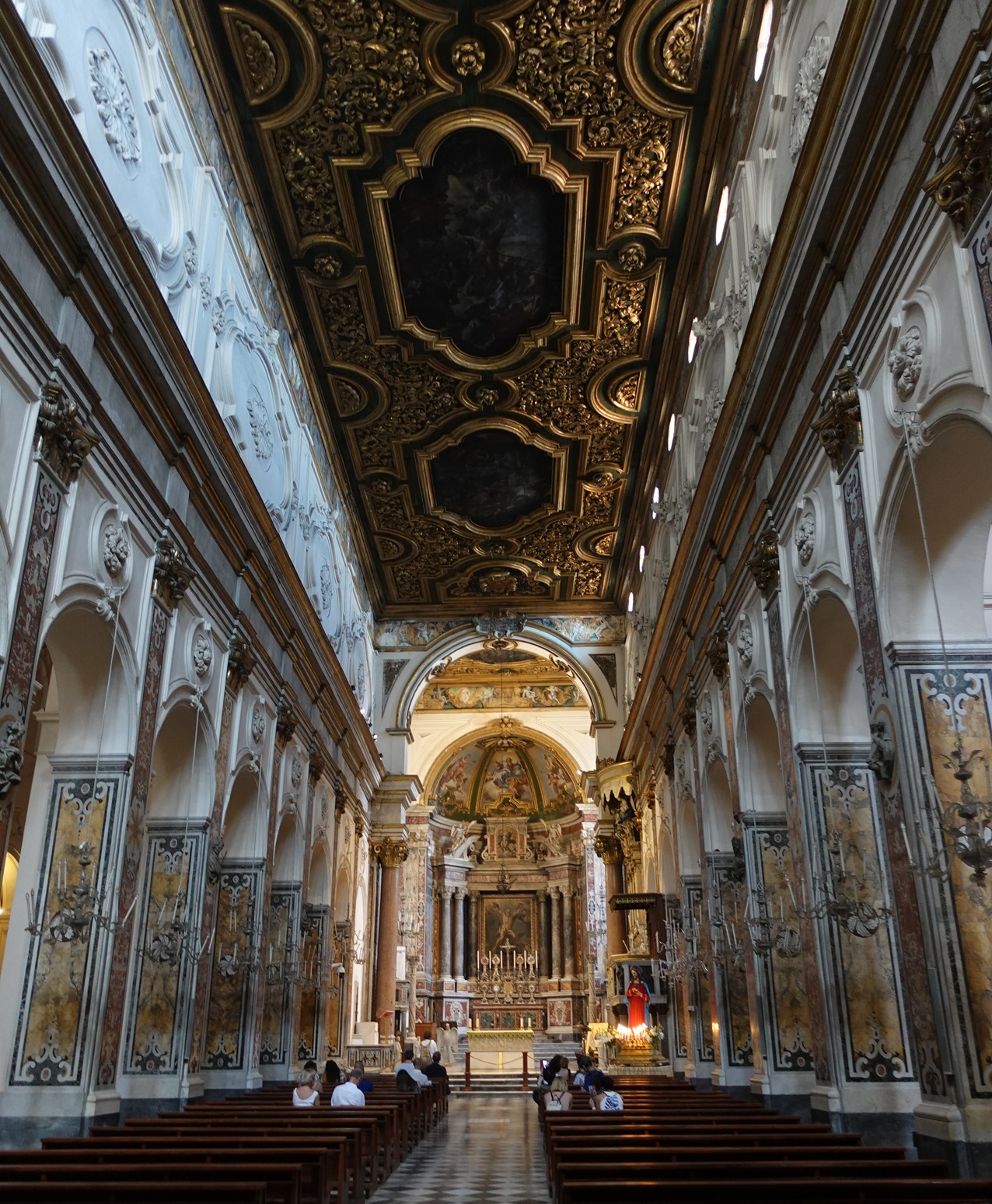
Amalfi Cathedral
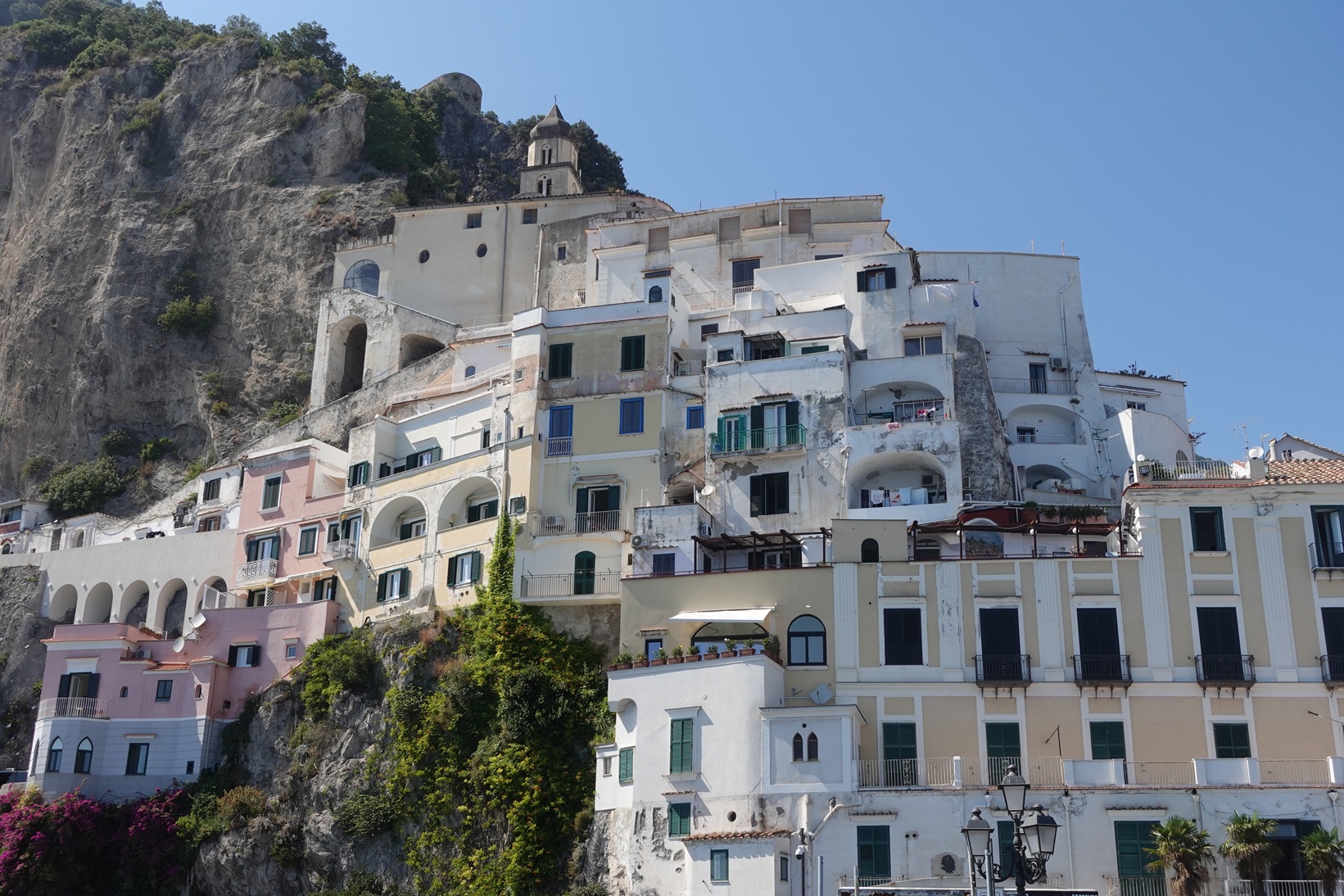
Amalfi is wedged into a gully, and the sides are decorated by ancient buildings screaming tradition and history, as well as artistic taste, at the hordes (and I mean hordes – never seen anything like it!) of tourii below.
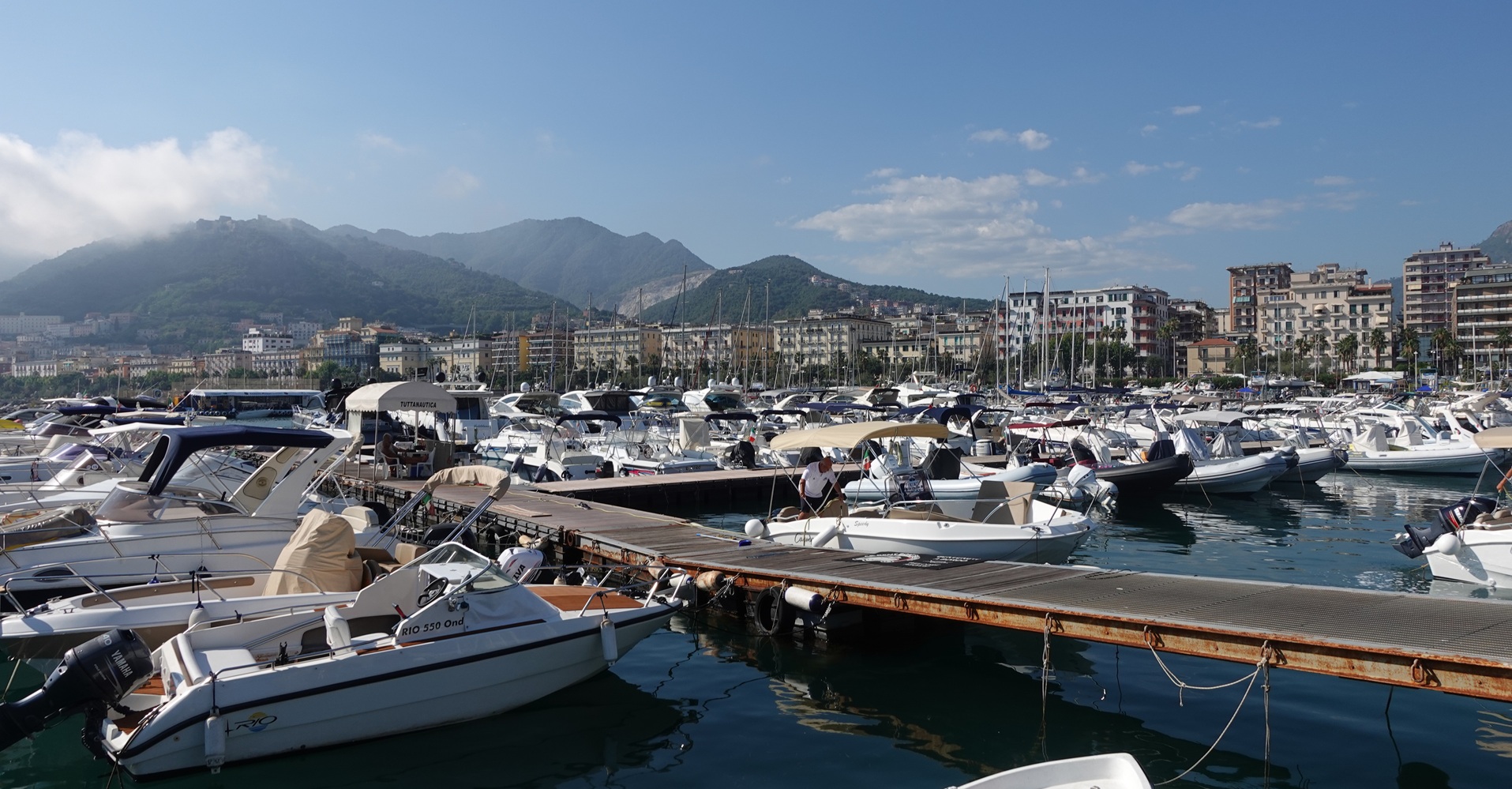
Marina at Salerno.
Travel Diary
Salerno
Salerno is the location of the landing of the allies in Peninsula Italy during World War Two. This was Operation Avalanche, and occurred on 9 September 1943. The Italians had withdrawn from the war the day before, and the territory was defended by German troops. The Americans were under the command of General Mark W. Clark, and the British Bernard Montgomery. The combined force consisted of nine divisions, of the US Fifth Army, with support by the British X Corps. Six days earlier, on the 3rd of Septermber, the British Eigth Army under Montgomery had landed at the toe of Calabria, in a diversionary operation called Operation Baytown.The landings had no naval bombardment or aerial bombing support. This was due to Clark’s over-confidence, following the welcome they had received in Sicily, and an unrealistic expectation that the enemy would be taken by surprise. Bitter fighting ensued, with the troops unable to make progress without enduring heavy casualties. The Germans counter-attacked, and very nearly pushed the invaders back into the sea.
Events leading to Operation Avalanche
The Allies had won a long campaign against the Italians and Germans in North Africa, denying them access to Egypt, the Suez Canal, and the oil fields in the Middle East. It also prevented the Axis from controlling the Levante, and possibly convincing Turkey to enter the war on their side.After the final expulsion of the Germans from Tunisia, the Allies debated the next move. The control of Sicily was agreed upon, as this gained them control of the sea routes in the Mediterranean. Sicily was a massive amphibious and airborne campaign on July 9-10, 1943, under the commands of Montgomery and Patton. After an initial stiff resistance by Italian troops, the island was quickly captured. The unpopularity of Mussolini meant that much of the population greeted the invaders with open arms. There is also evidence that the Americans had done a secret deal with Mafia figures in New York, exchanging at least one ring leader’s freedom from imprisonment for help in turning the local population in his native island to the American side. Mussolini was unpopular with the Mafia because he had suppressed their criminal operations. The Americans now offered them a free hand after the war for help in liberating the island.
Patton is famous for his poor conduct, in slapping some soldiers who had combat fatigue. As a result, he was not given the task of leading the America troops in the upcoming invasion of mainland Italy. This was given instead to a relatively inexperienced General Clark, who proved to be a poor choice, leading to poor judgement calls and even accusations of deliberately thwarting strategic aims for his own glory.
Churchill convinced his American allies to invade Italy, against their judgement. After the disastrous Dieppe experiment, the British were wary of a direct assault on occupied France, and a quick route to Germany. Instead, Churchill believed that the Italians would turn against Mussolini and join the Allies, once allied troops were in the mainland. This proved to be correct. Mussolini was arrested and imprisoned on July 25, 1943, by the Grand Council of Fascism, at the behest of the King. He was held at the Gran Sasso mountain hotel, and was rescued by German paratroopers on 12 September, 1943; i.e. 3 days after the landing of the Allies near Salerno.
The German reaction was rapid. From the day after Mussolini’s arrest, 26 July 1943, till 8 August, eight German divisions and one brigade moved into northern and central Italy, while troops in southern Italy were holding their positions. For 46 days from the arrest of Mussolini till the 8th of September announcement of the signing of the Armistice of Cassibile (actually signed on 3 September), Italy experienced a convulsion of political uncertainty. The initial announcement of the new government, under Prime Minister Pietro Badoglio (1871-1956), was that the war would continue, with Italy supporting Germany against the Allies. However, the Badoglio government was clearly playing for time, keeping the Germans at bay, while trying to extricate Italy out of its state of siege. They moved Mussolini to a more secure location, and dissolved the Fascist Party, the Grand Council, the Chamber of Fasci and Corporations, and the Special Tribunal for the Defense of the State. Demonstrations against the new government by (officially banned) political parties such as the liberals, socialists and communists, erupted around the country, resulting in violent repression and many deaths and injured. This was the beginning of the Italian Civil War.