Rome-Naples June 2026
Day 18: Sunday 21 June 2026
Salerno – Orvieto, Umbria
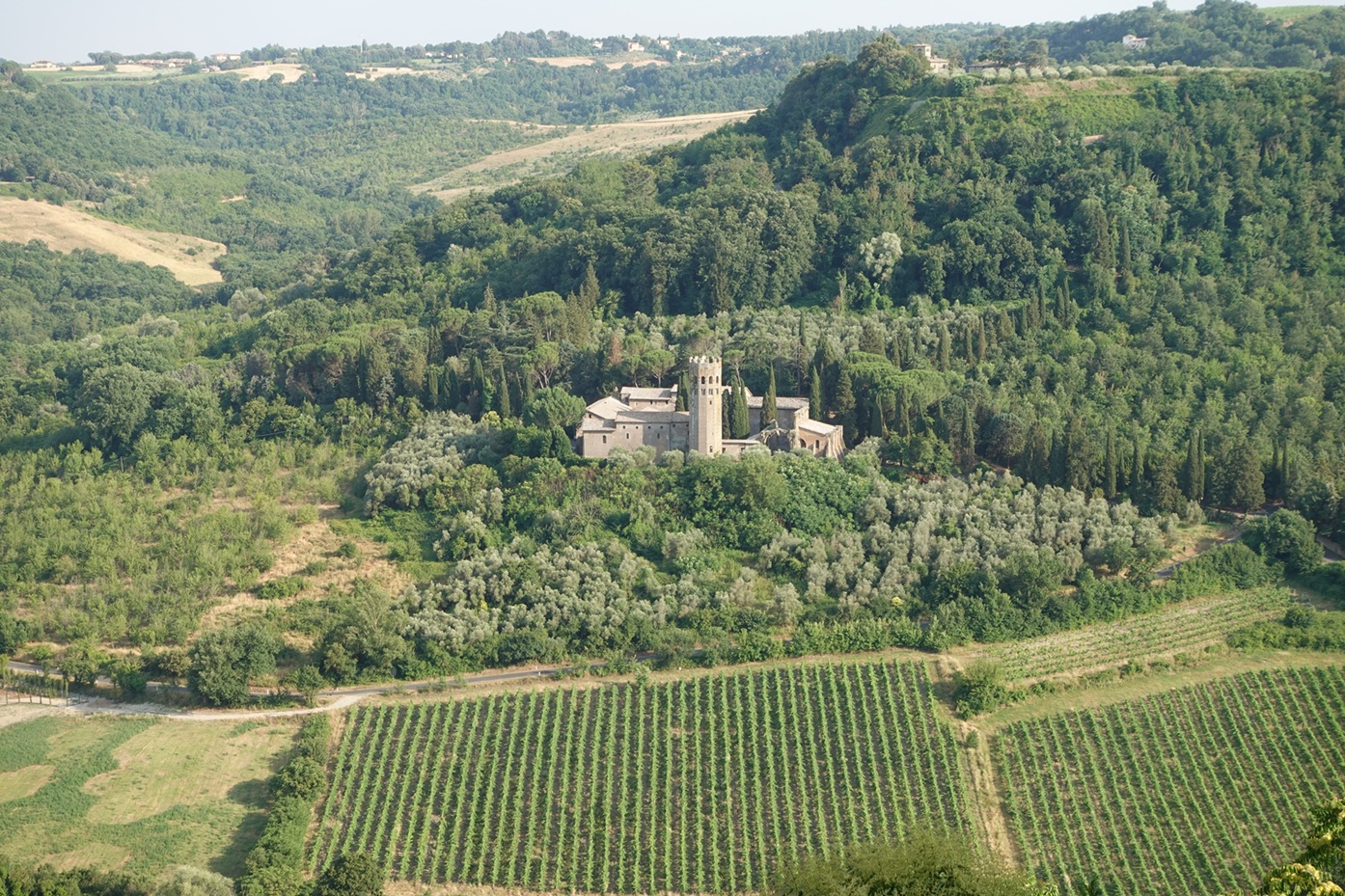
View from Orvieto, Umbria. The city sits atop a Pliocene formation butte with vertical sides, between 40 and 80 metres in height. Orvieto lies at 315m above sea level, and 200m above the valley below. This provides a natural defence structure. So much so, that when the Romans defeated the Orvieto Etruscans, they decided to destroy the city and move the population, to avoid such problems of control in the future.
In this photo there is the Abbazia dei Santi Severo e Martirio (Abbey of Saints Severus and Martyr), known locally as simply La Badia. It holds frescoes from as early as the 12th century in its Chiesa del Crocifisso (Crucifix Church) and ancient refectory (monks’ dining hall).
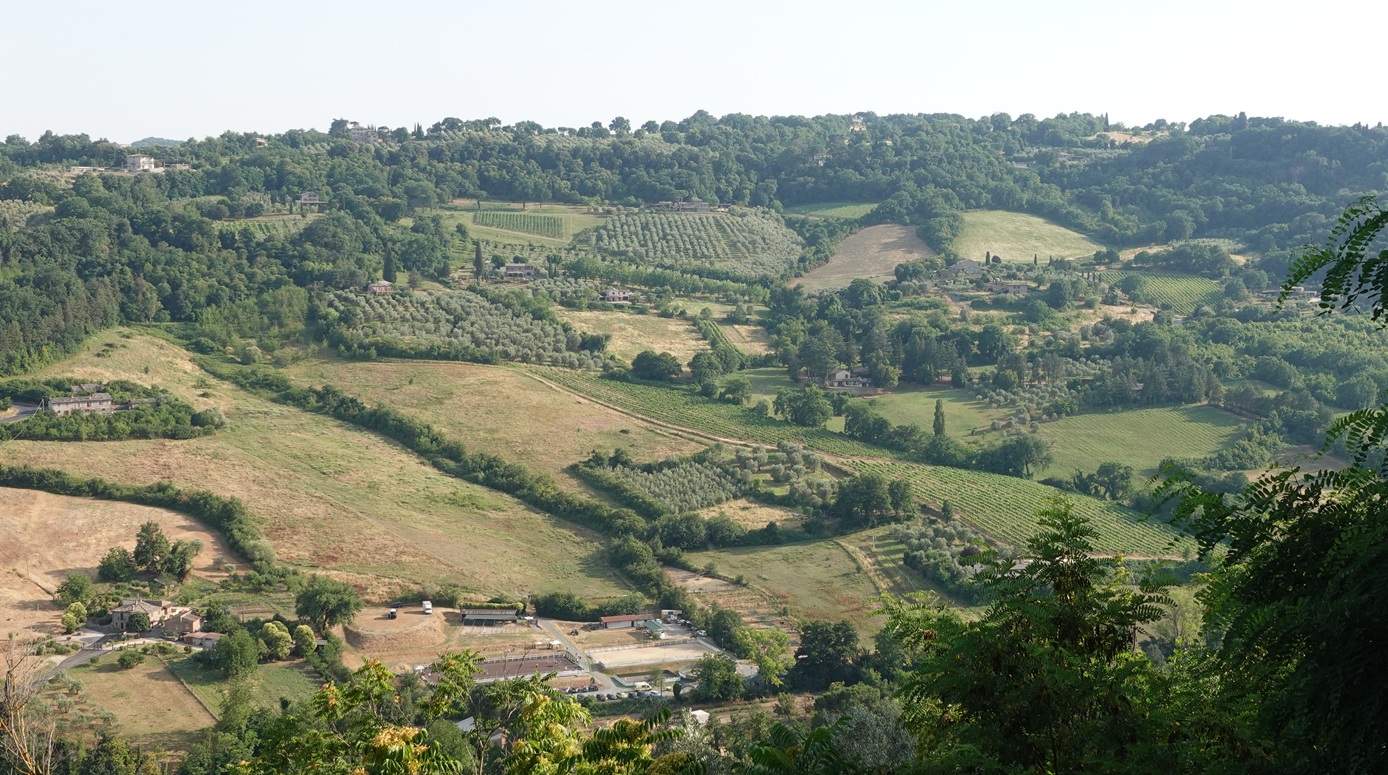
View from Orvieto, Umbria
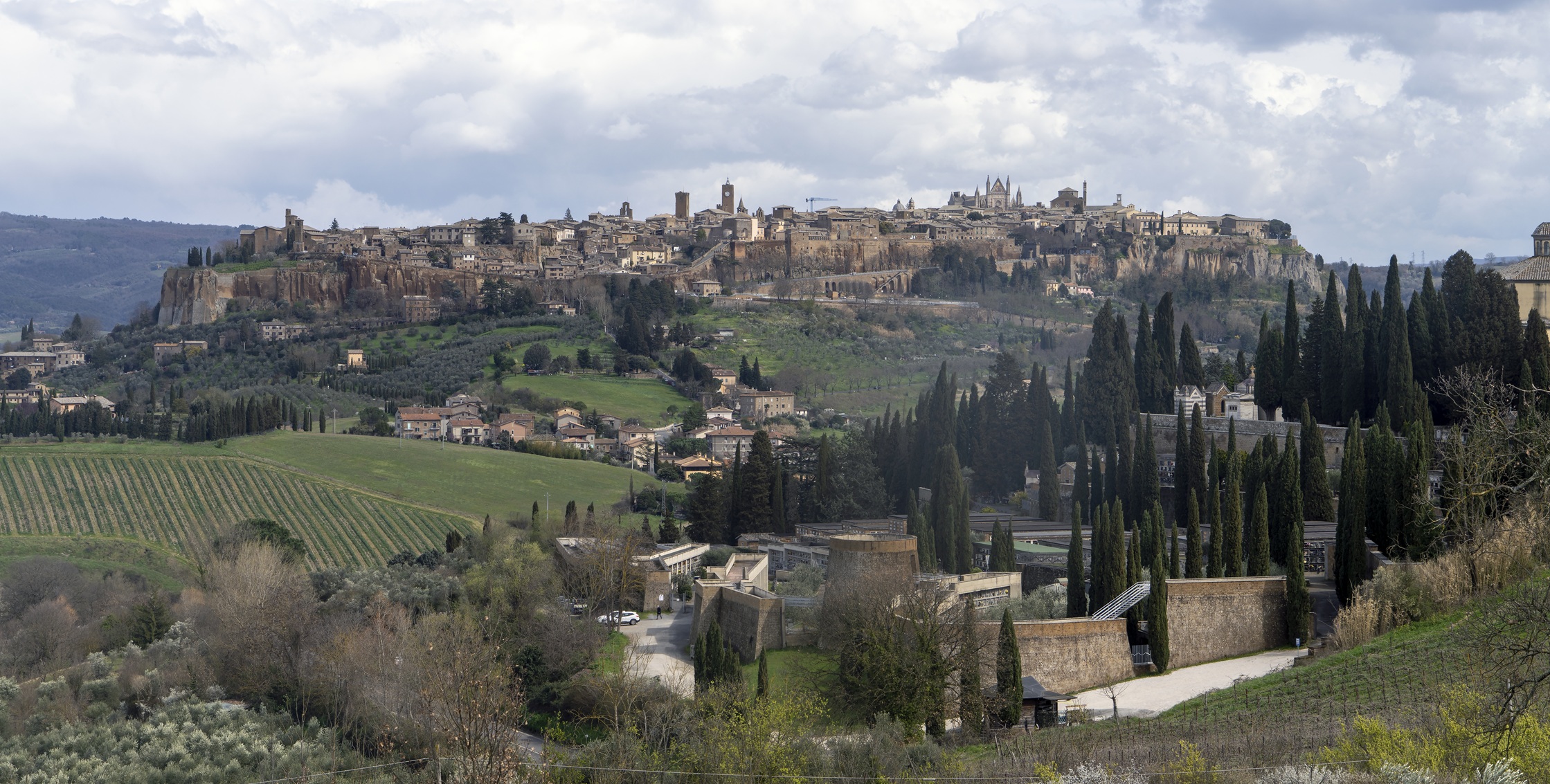
View of Orvieto.
Image courtesy of Wikipedia
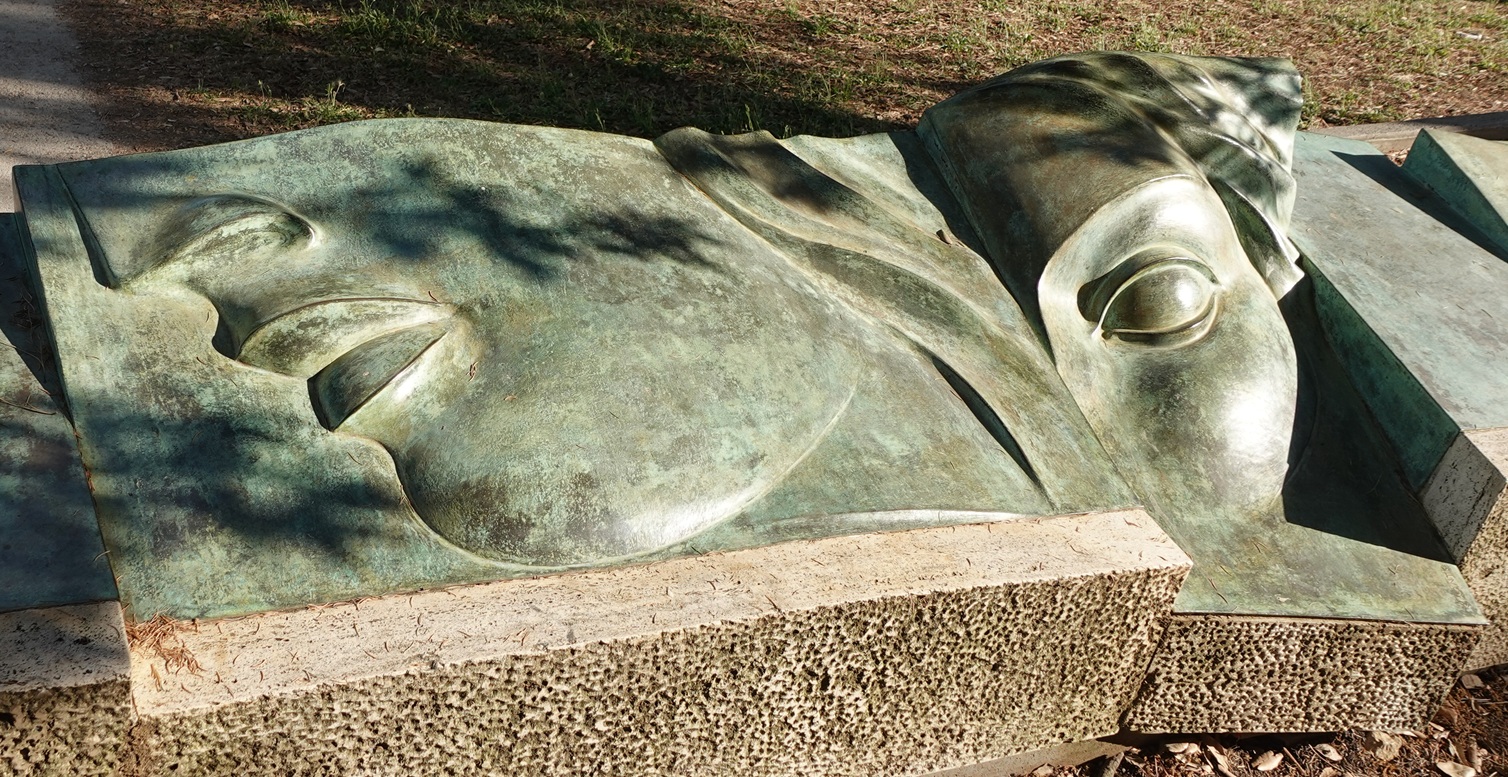
Sculpture in a park in Orvieto. The inscription reads: “Omaggio al sacrificio di quanti nel lavoro e per il lavoro hanno perduto la vita.” (In honour of the sacrifice made by many in their work and who lost their lives for their work.”
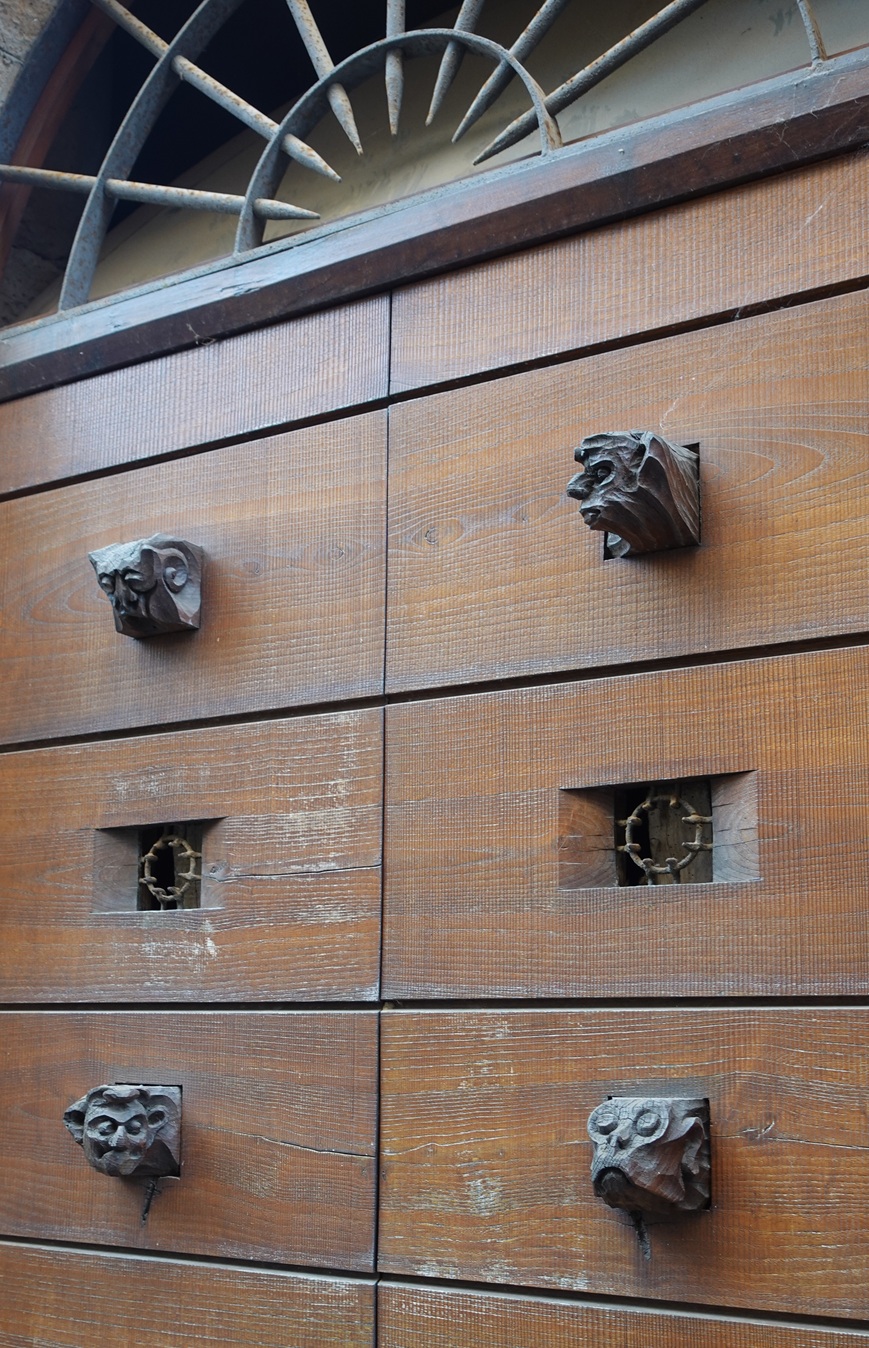
Interesting door decorations
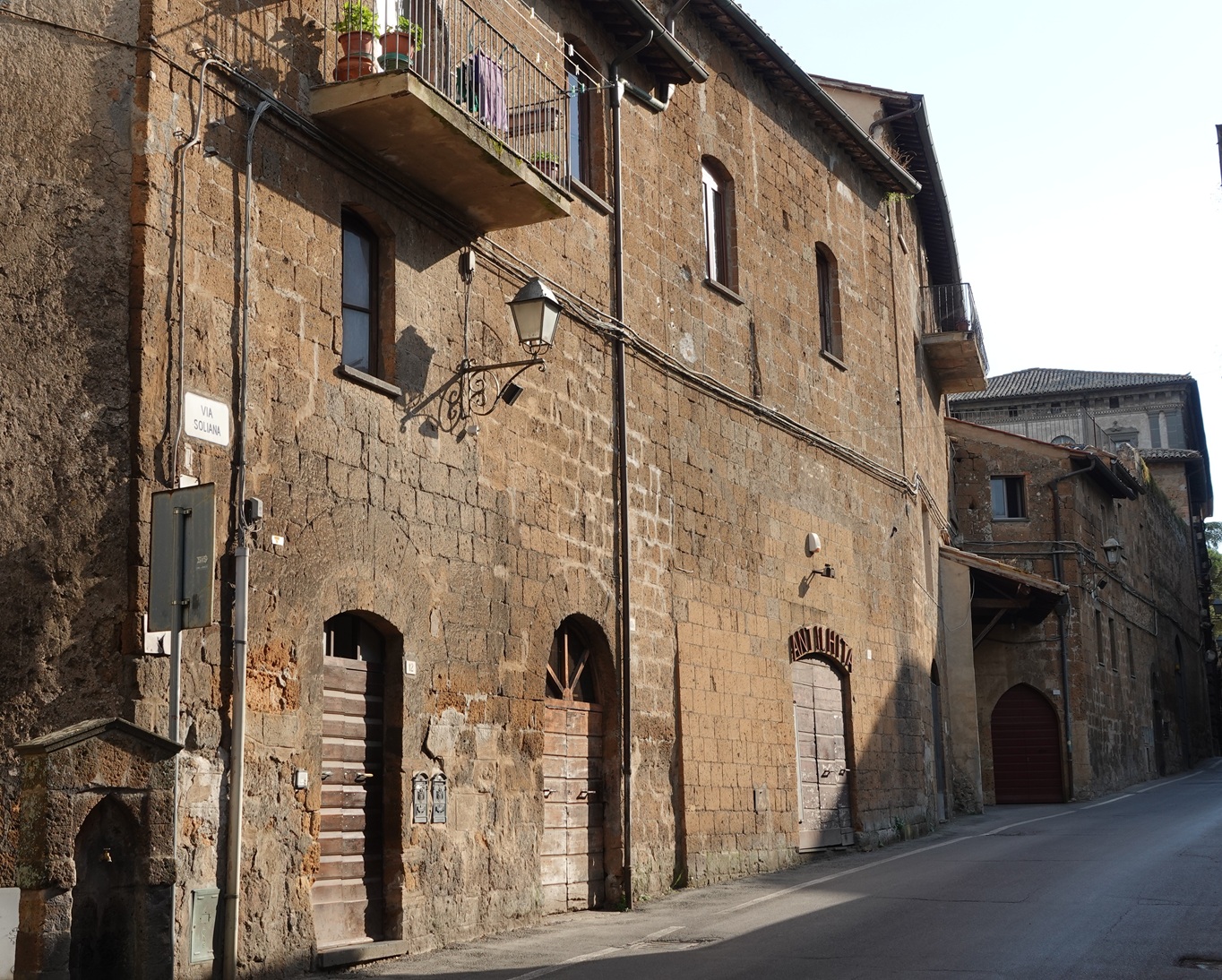
Typical street in Orvieto. The stone used in all the city is tuff, excavated from beneath the city, creating the many caverns and tunnels, which fascinate visitors. For safety reasons, the stone may no longer be excavated.
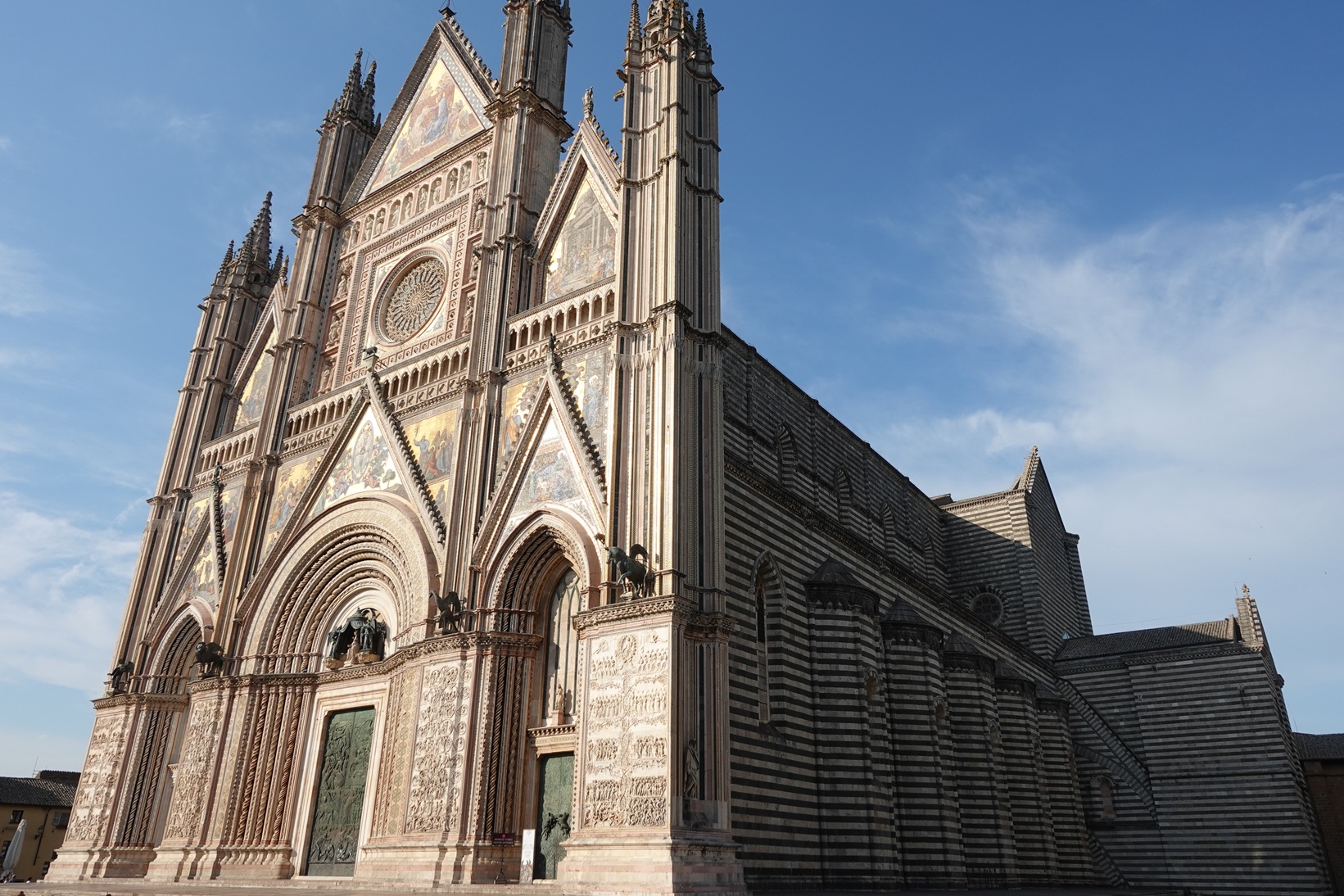
Orvieto Duomo
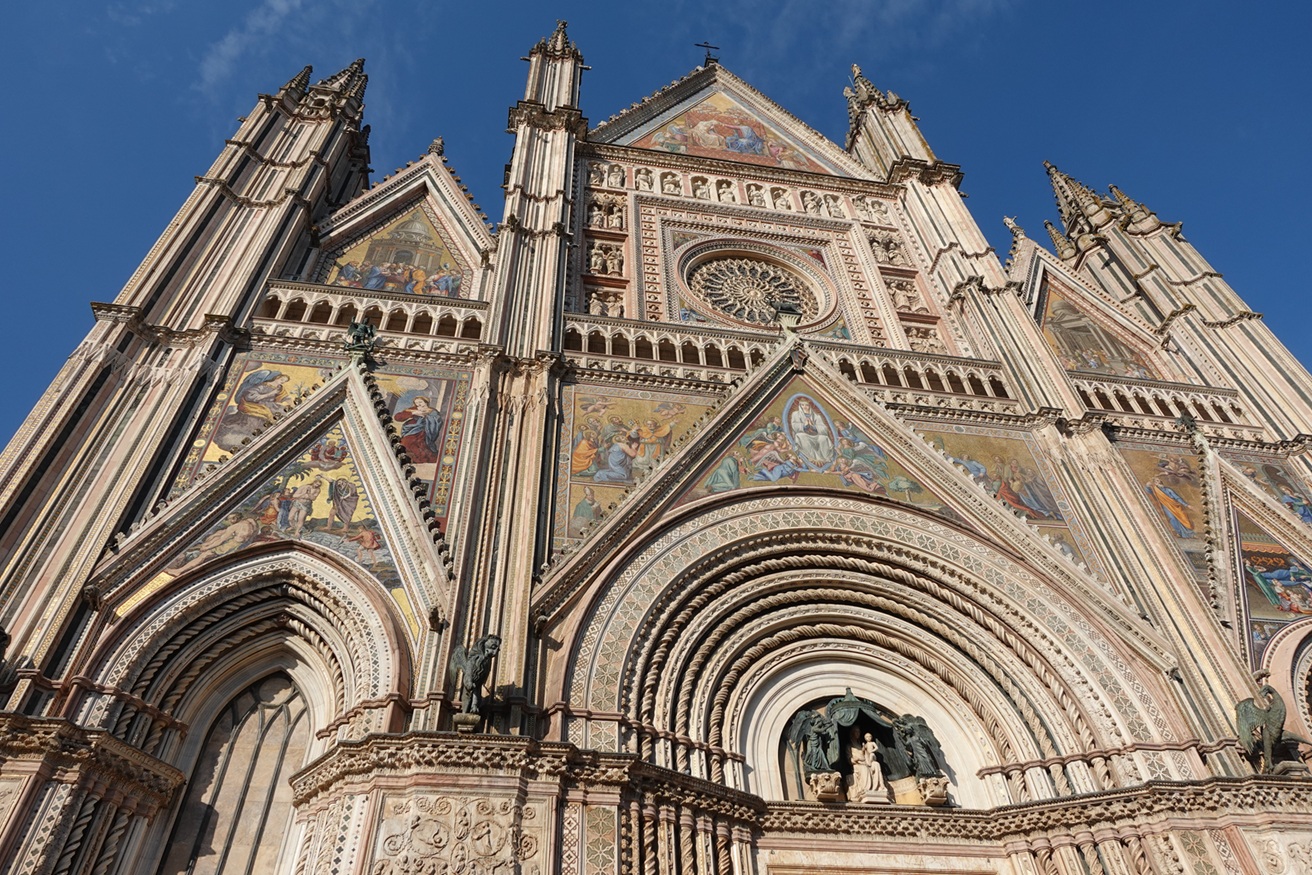
Orvieto Duomo
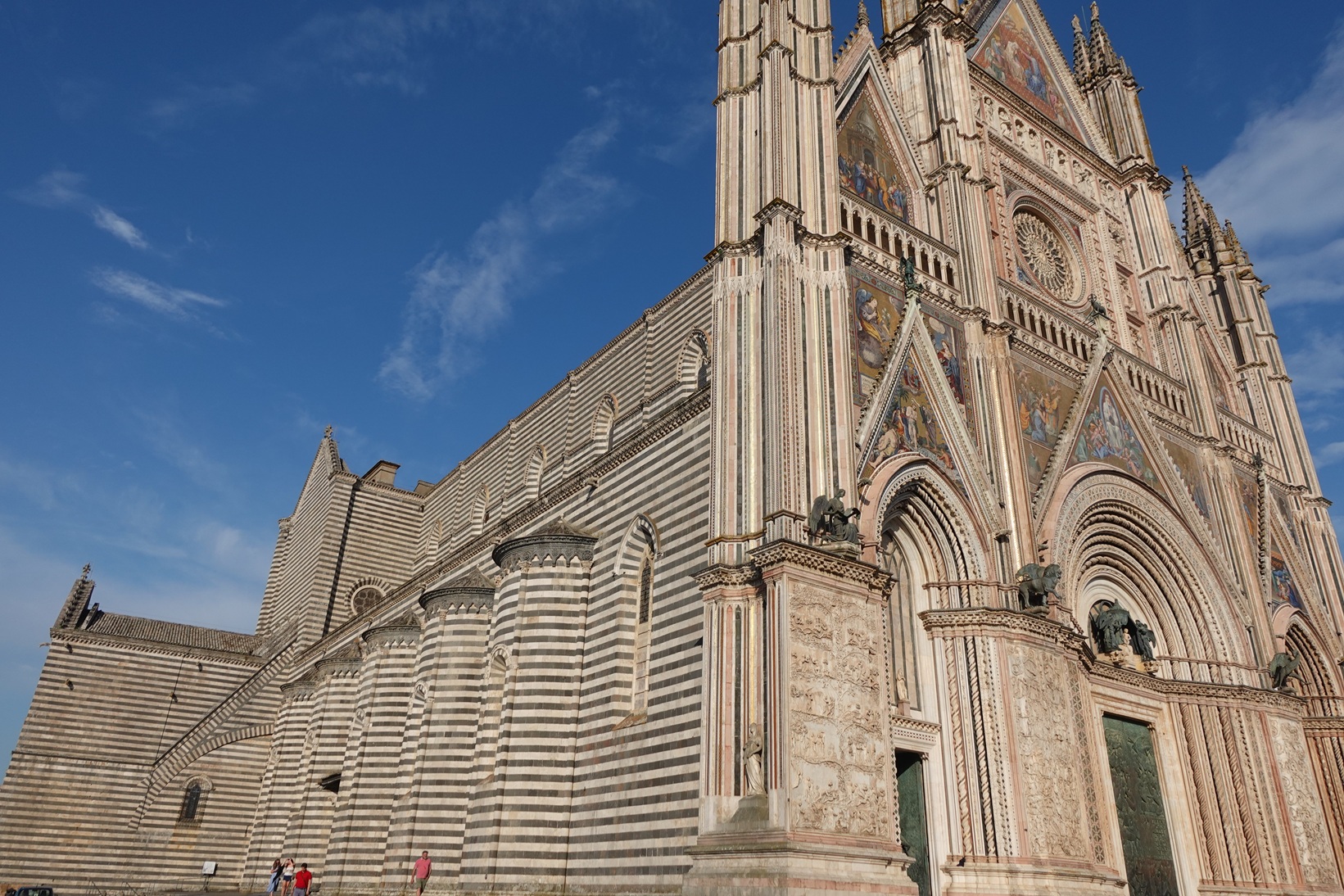
Orvieto Duomo
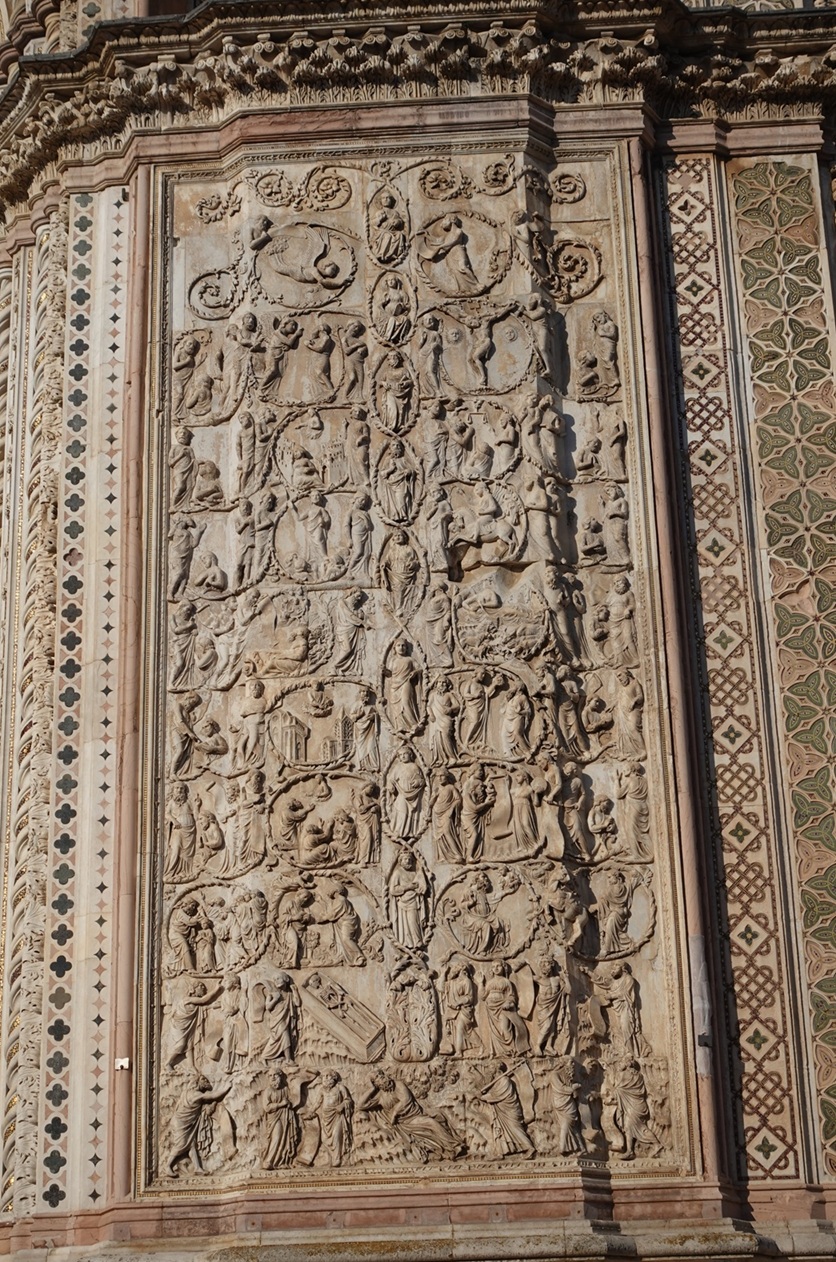
Closeup of external panel on Orvieto Duomo
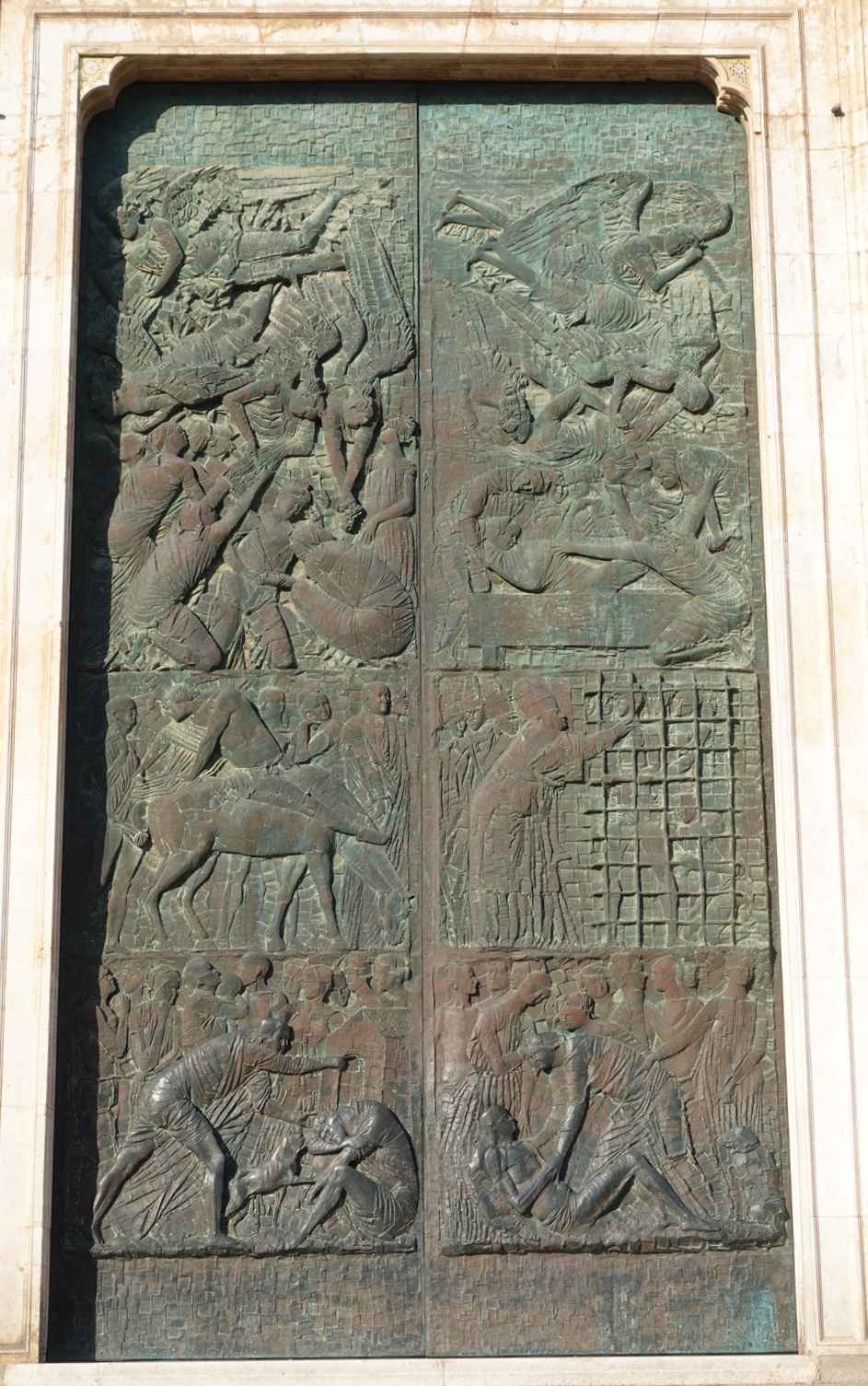
Main doors of Orvieto Duomo Bronze doors by Emilio Greco (1913-1995).
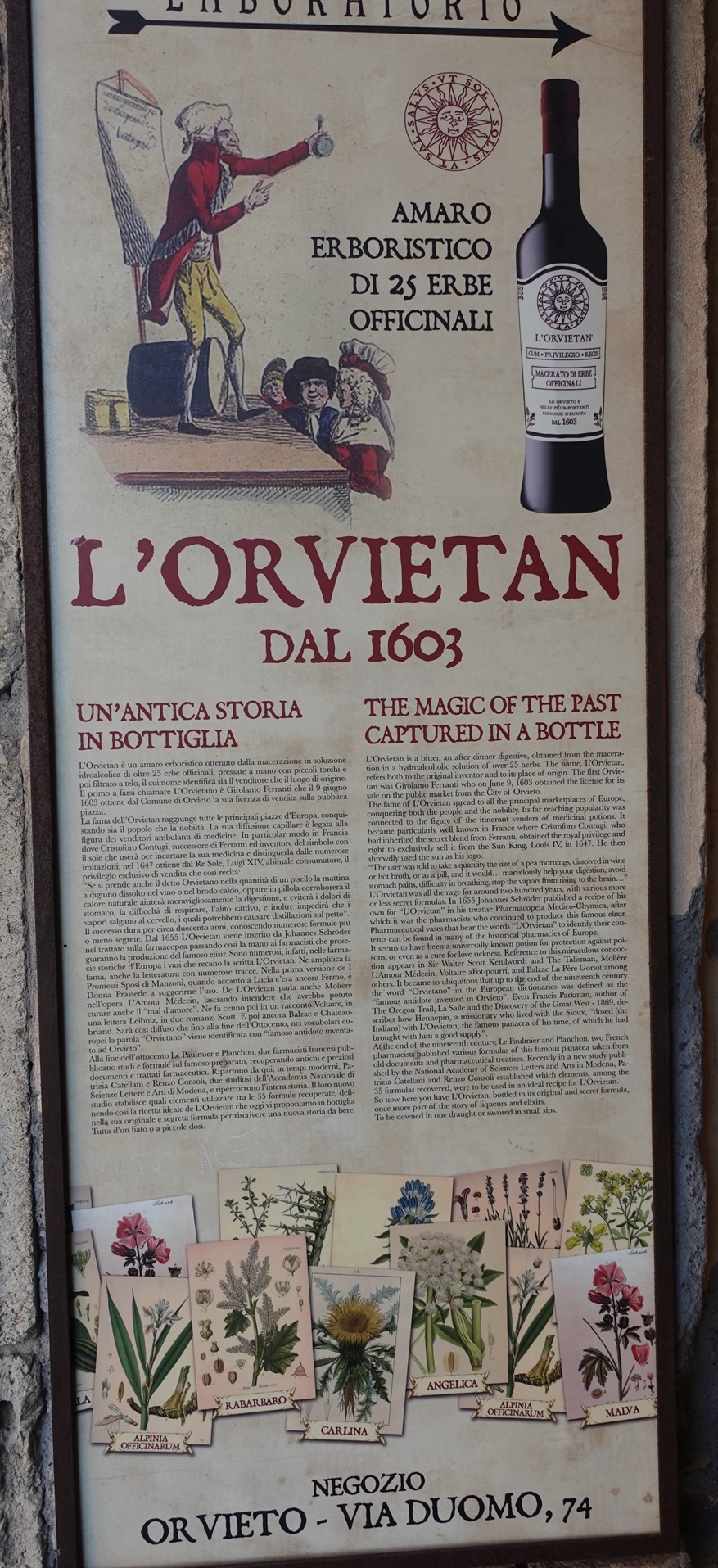
A local speciality
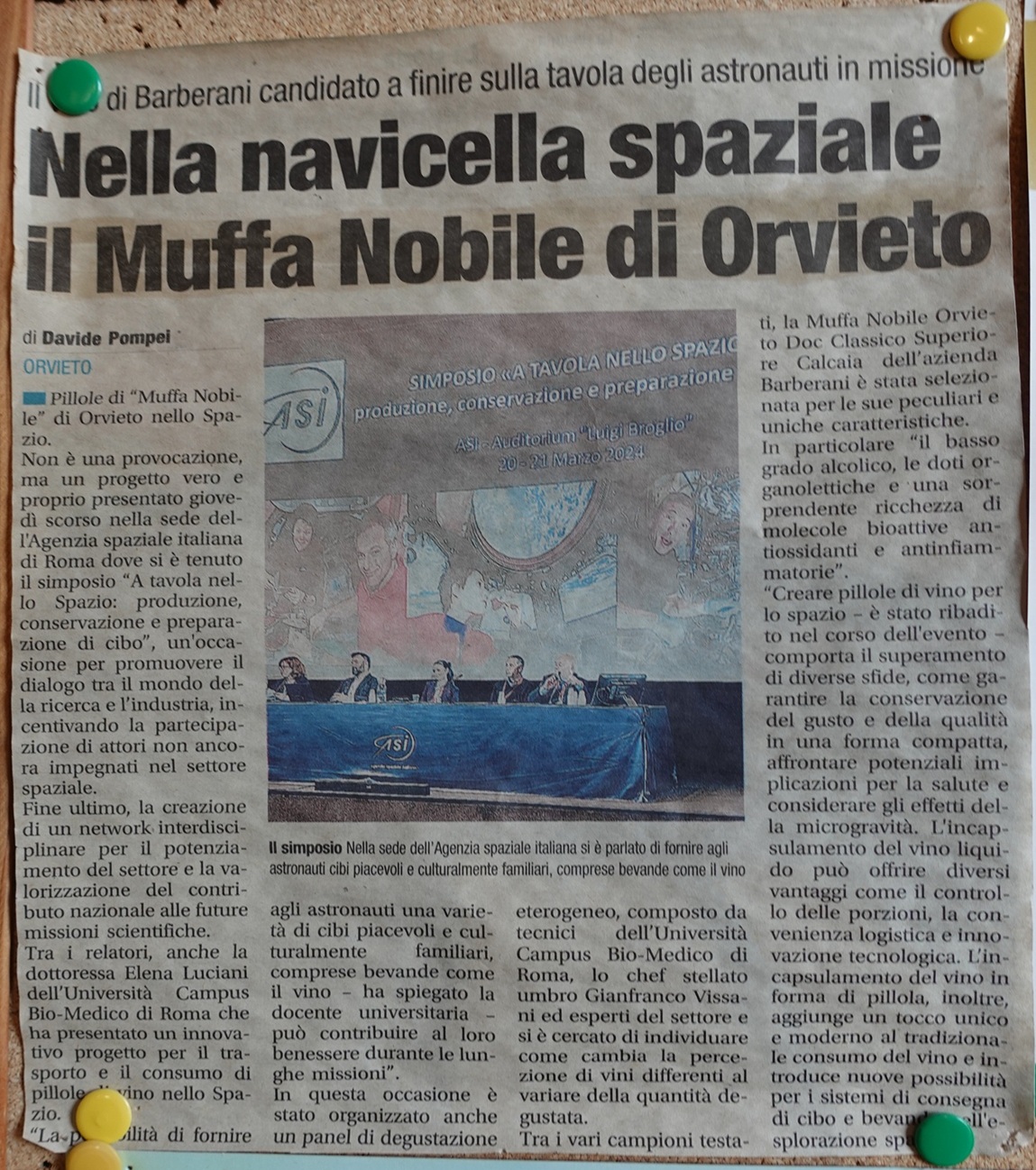
Space mold? What next?
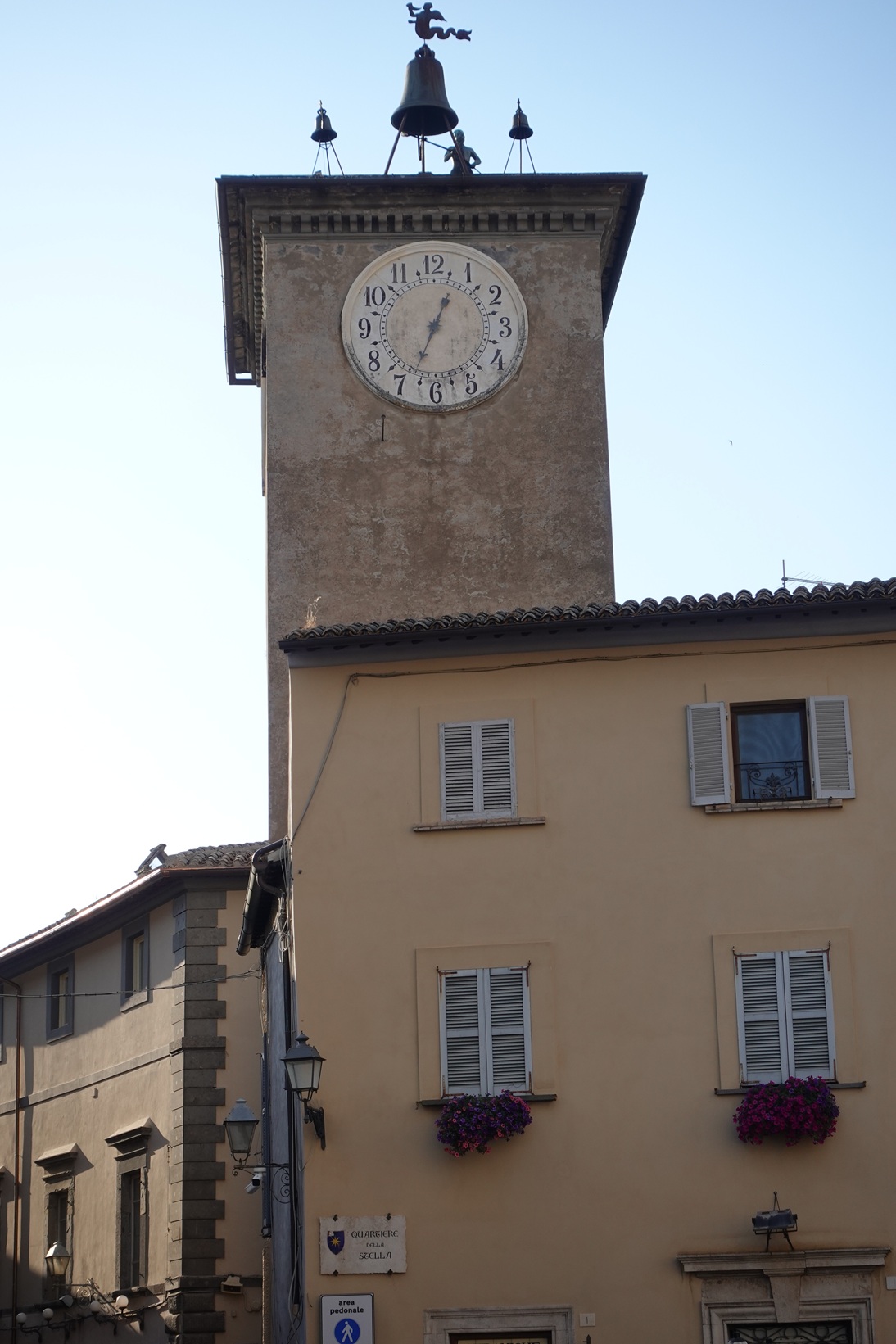
Torre di Maurizio, just off the Piazza del Duomo. Rings regularly, which doesn`t put off the myriad swallows swooping around it.
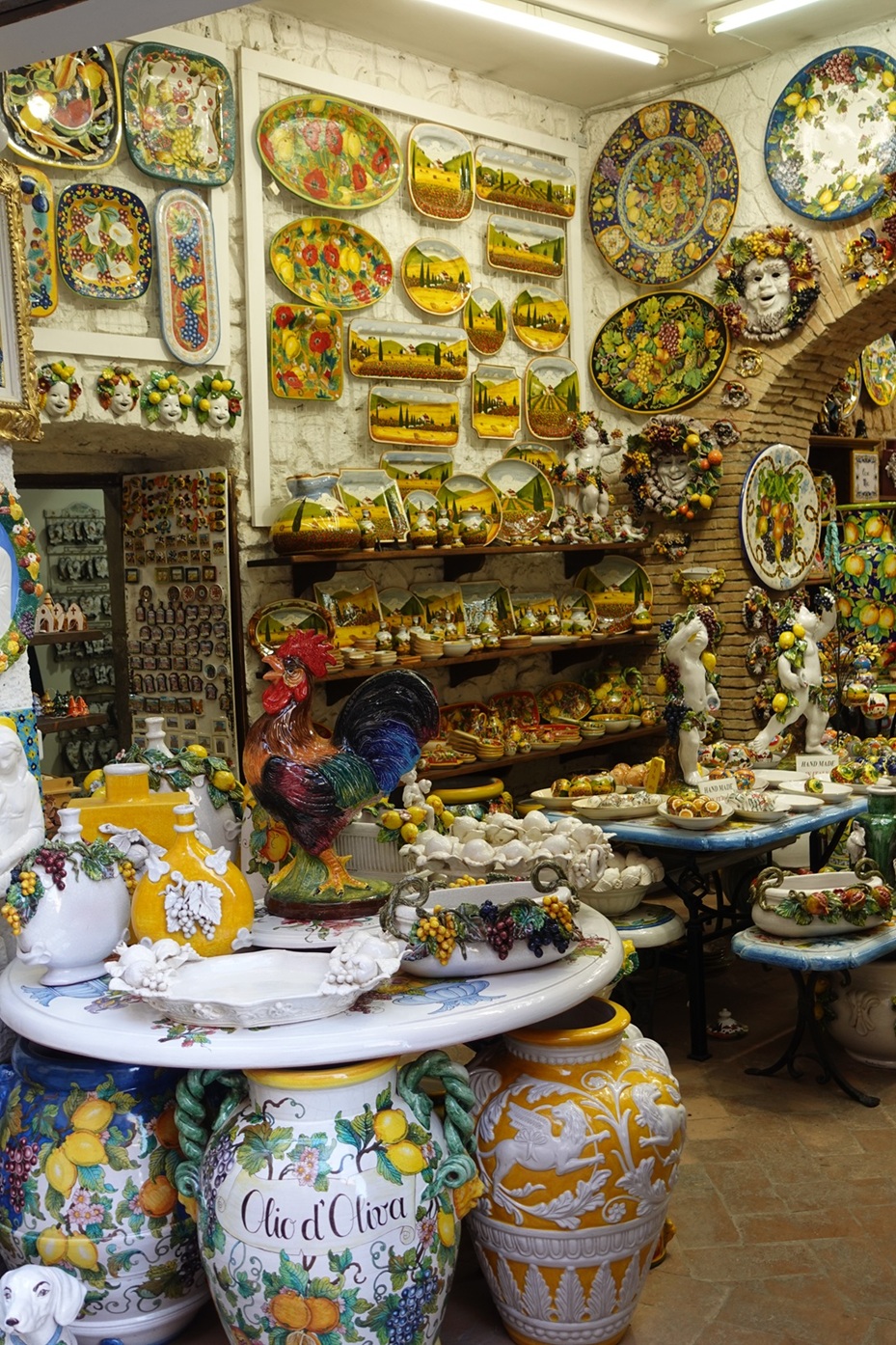
Ceramics is another local handicraft.
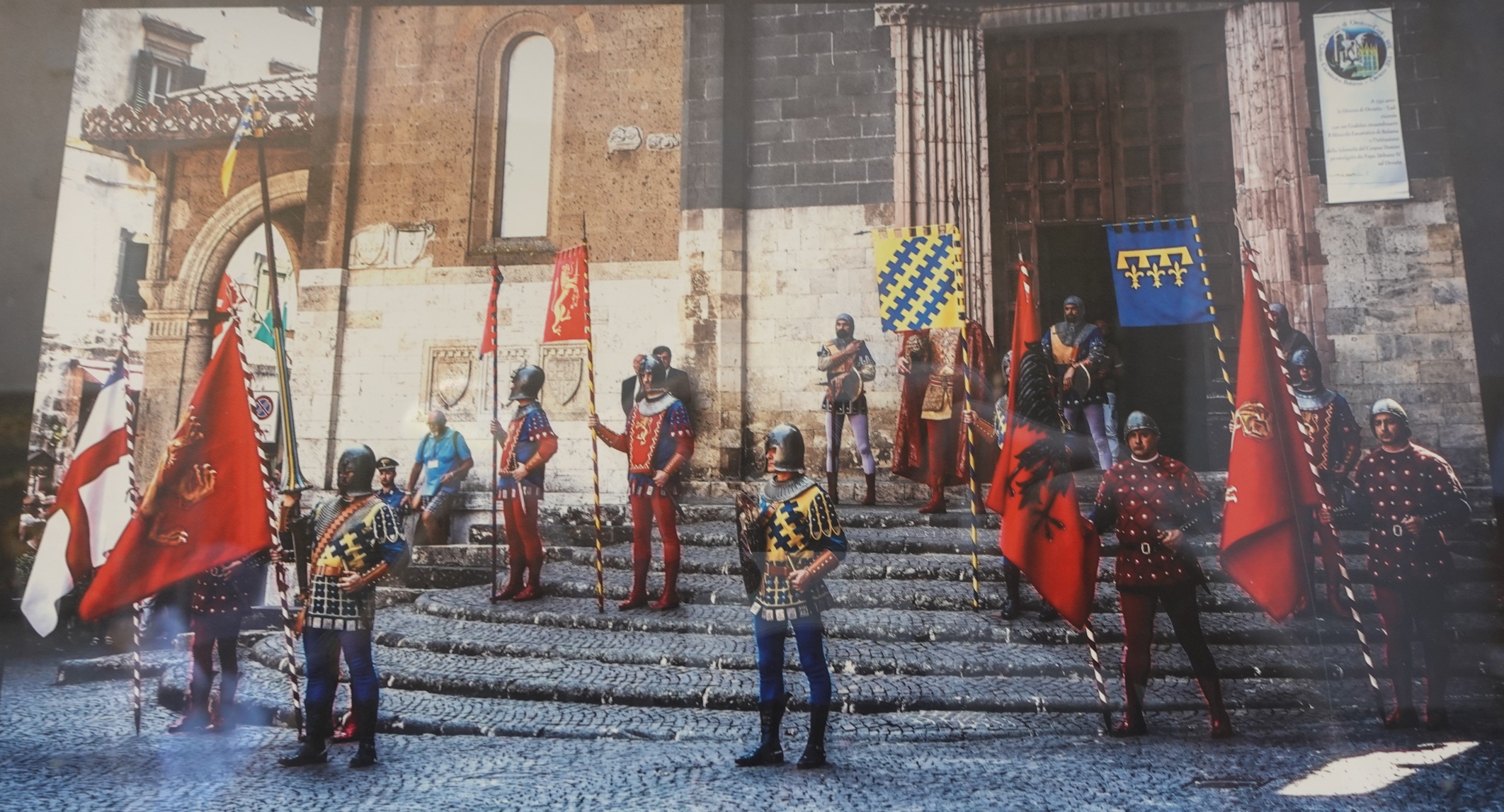
Photograph of the 7th of June Historical Parade.
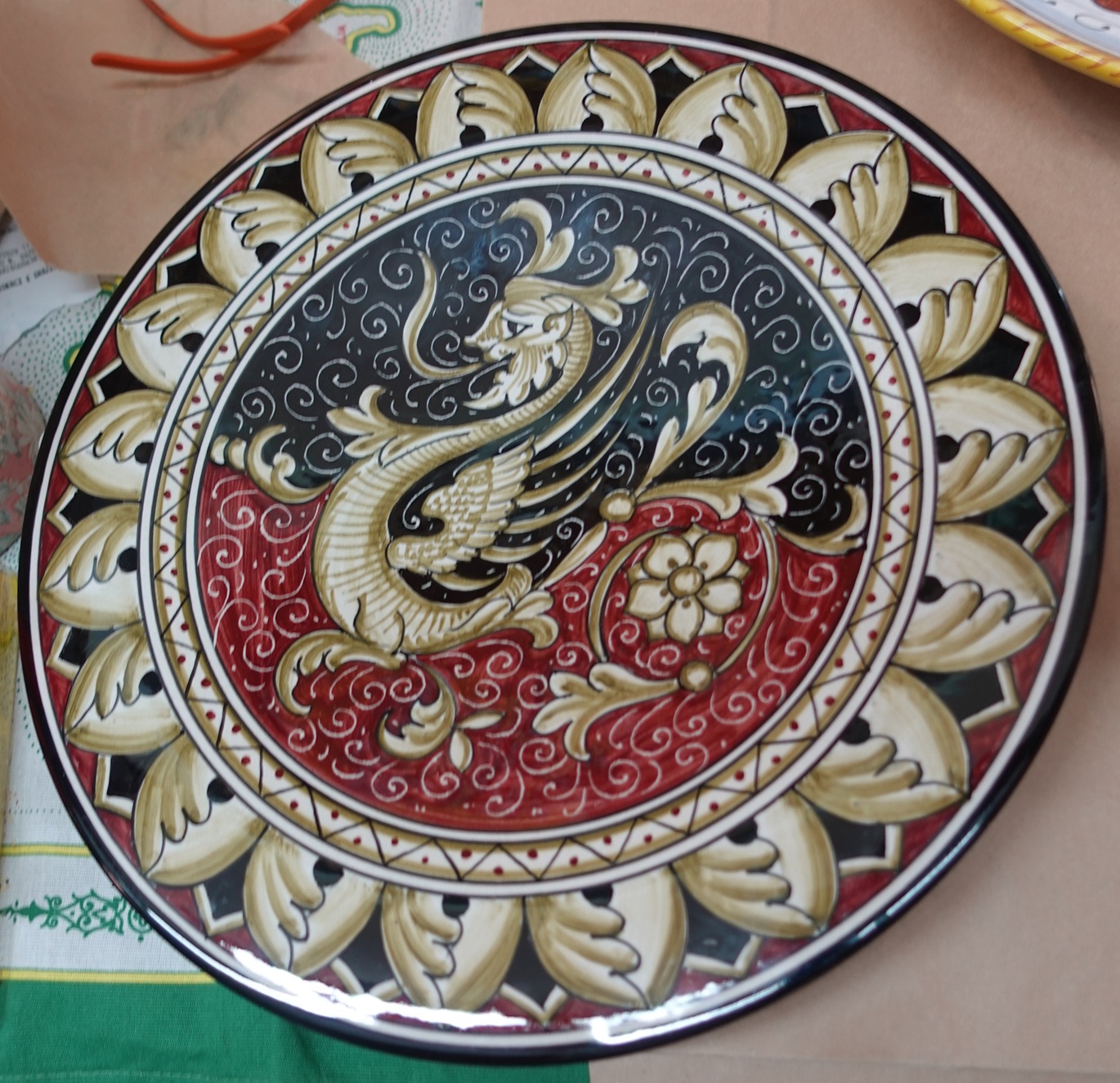
Ceramic plate with a local symbol reproduced in a variety of forms.
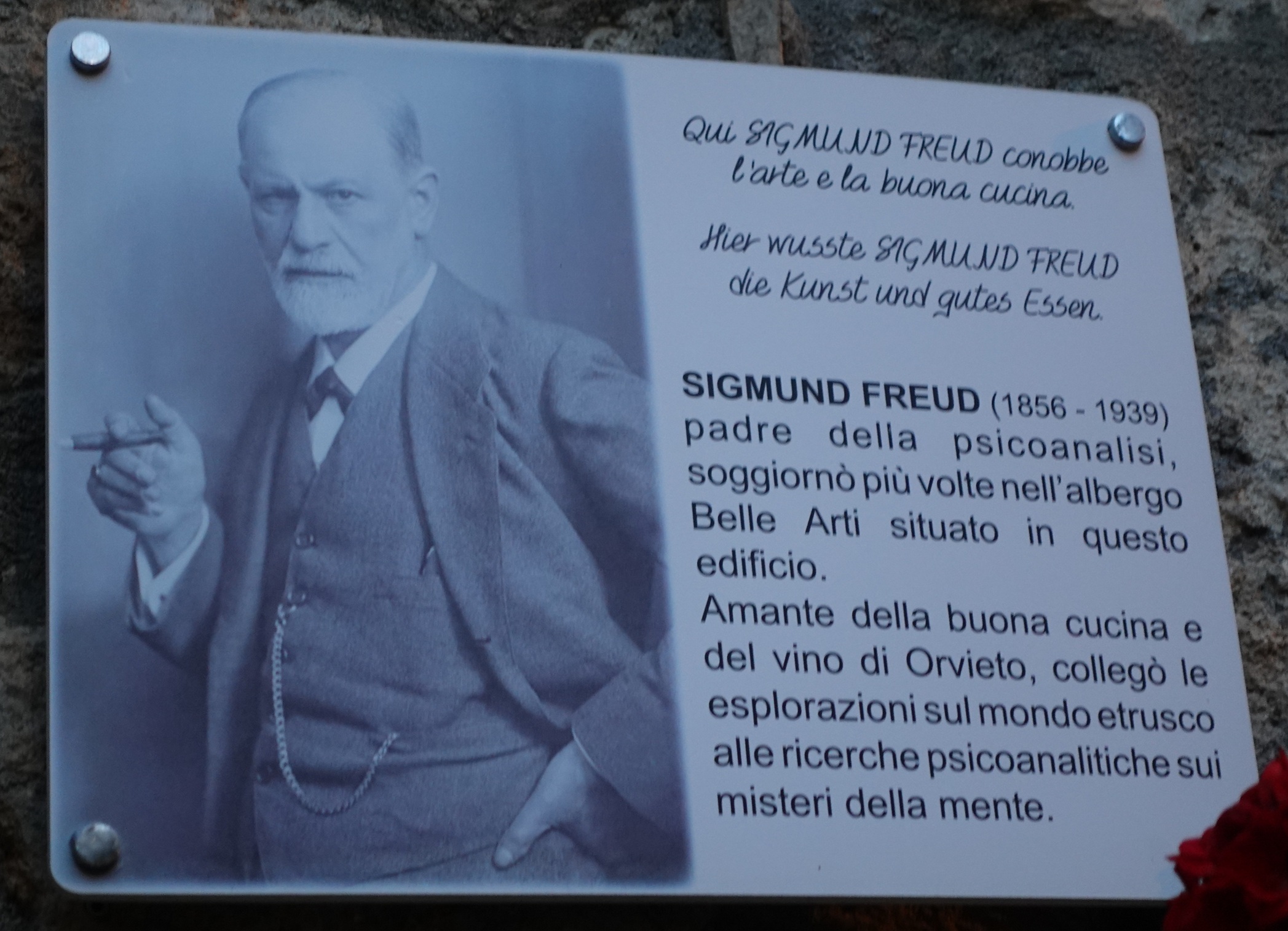
Sigmund Freud was a regular visitor to Orvieto. Hotel Belle Arti.