South Italy 2026
Day 20: Saturday 10 October 2026
Ragusa – Siracusa
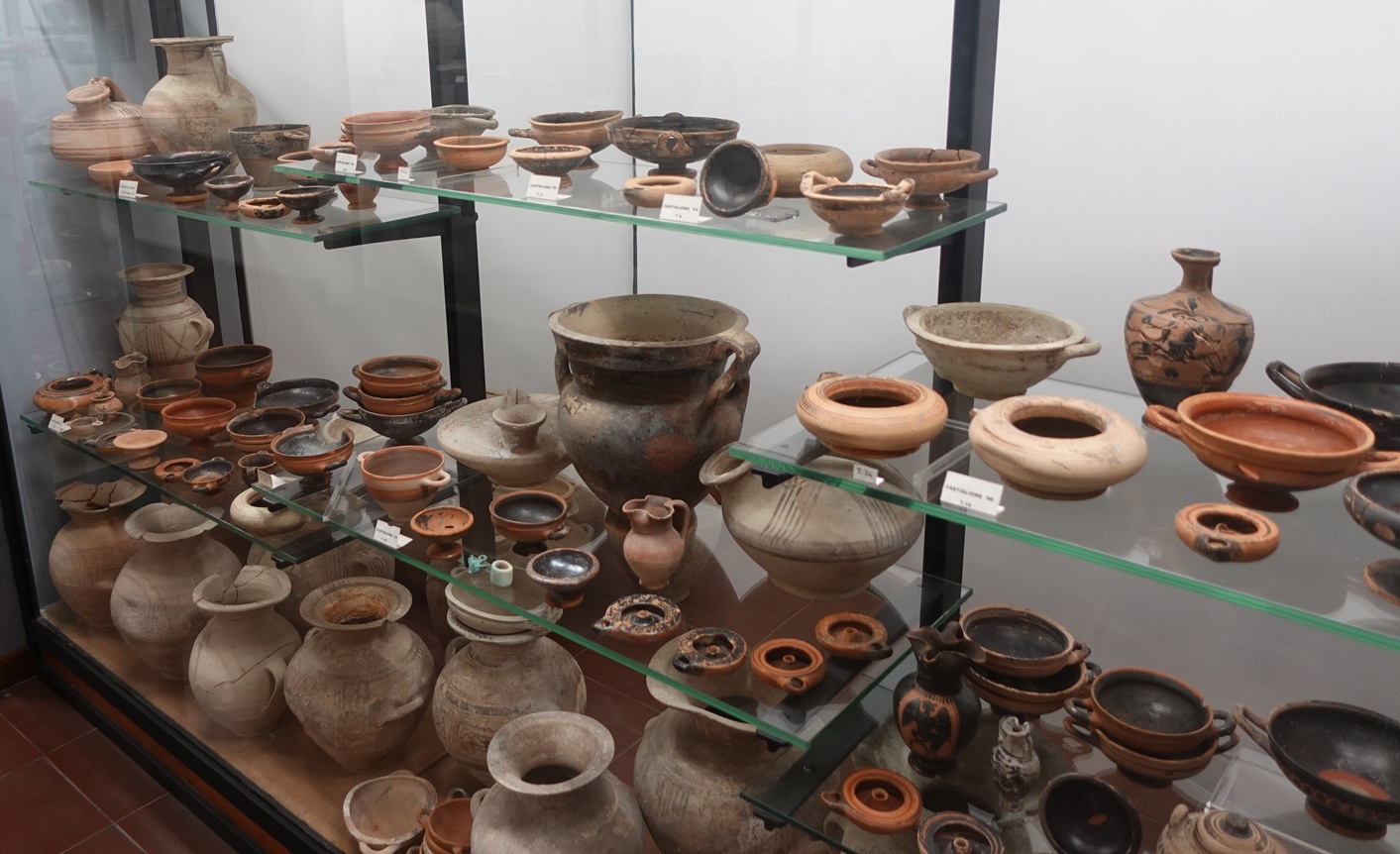
Archeological Museum, Ragusa. this small and modest museum houses a remarkable collection of artifacts found in the region of Ragusa. These date from the neolithic age, through the Bronze Age, the Greeks, Romans, and Medieval times.
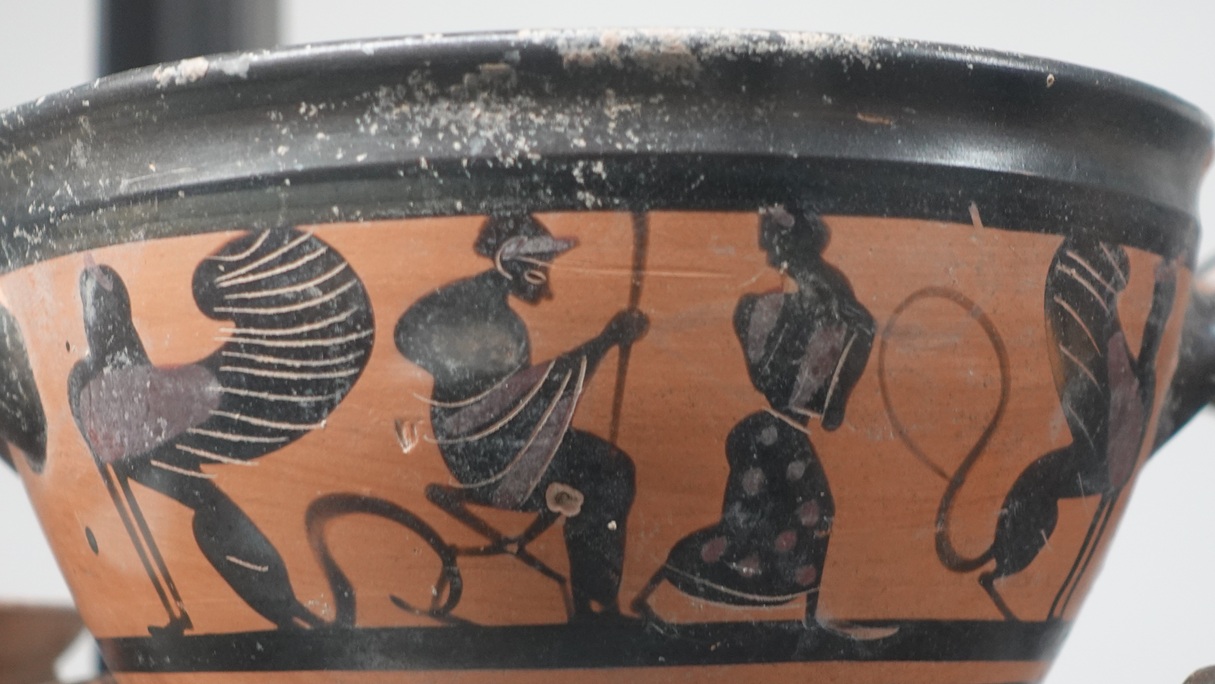
Archeological Museum, Ragusa. the museum’s collection of Magna Graecia artifacts is impressive for its range and condition. The paintings on vases and drinking vessels tell a story of faith, but also of humour and playfulness.
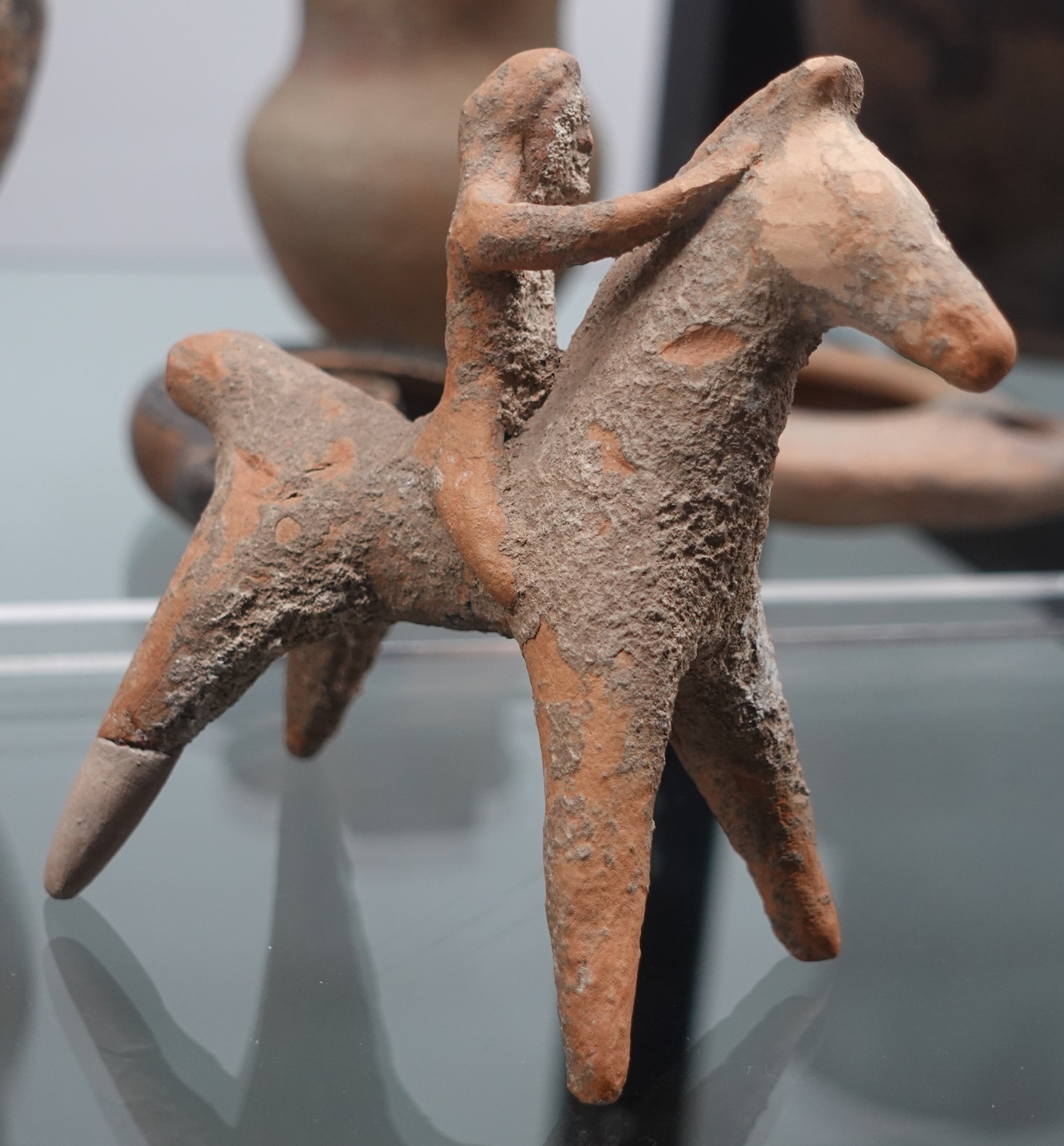
Sculpture of a horse and rider, from the Necropoli di Rito, a 6th and 5th century cemetery from which many of the findings in the museum were excavated.
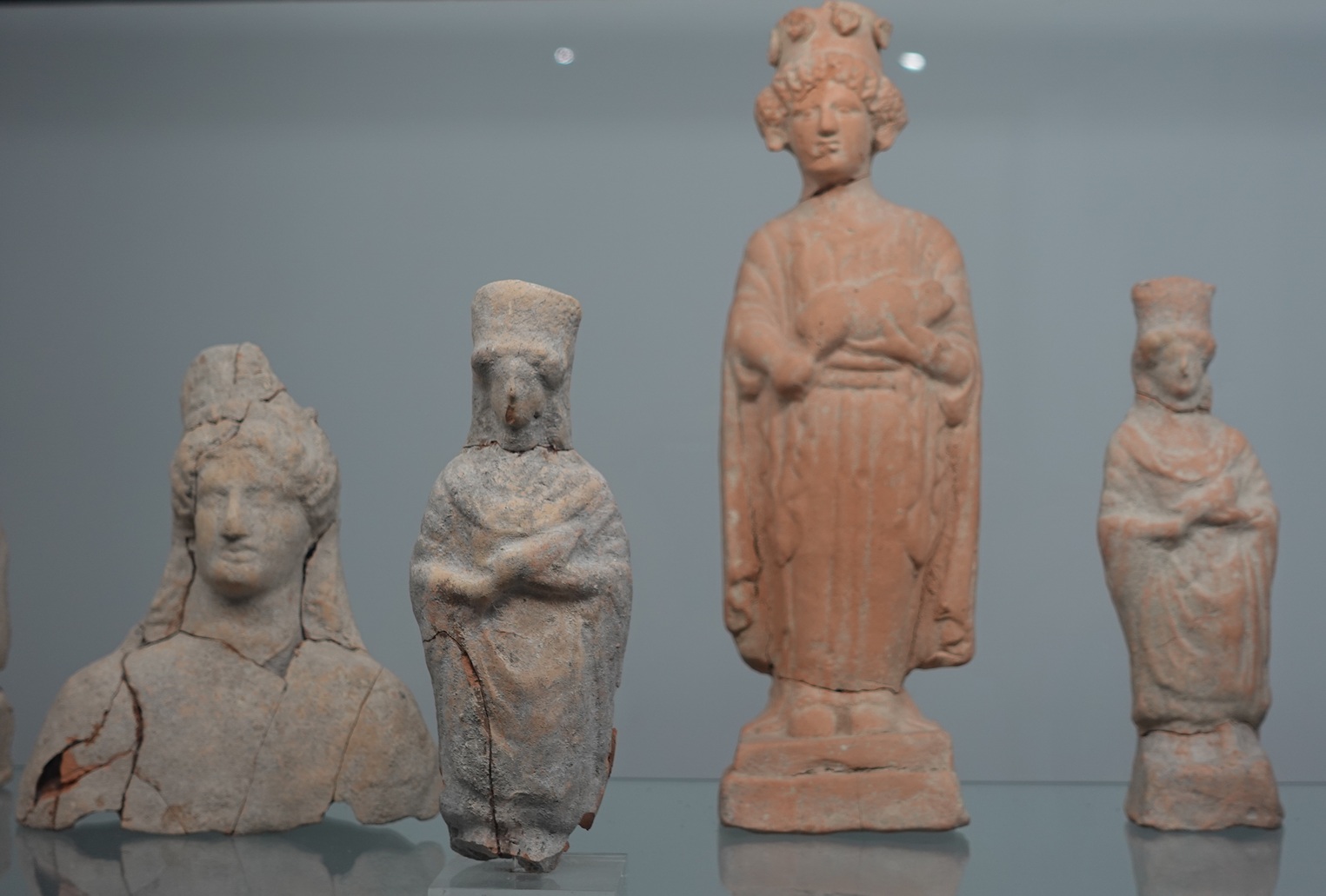
Female figures in terracotta, found at Camarina, 5th-4th century BCE. These finds tell us volumes about fashion and values of a civilisation that disappeared over 2,000 years ago.
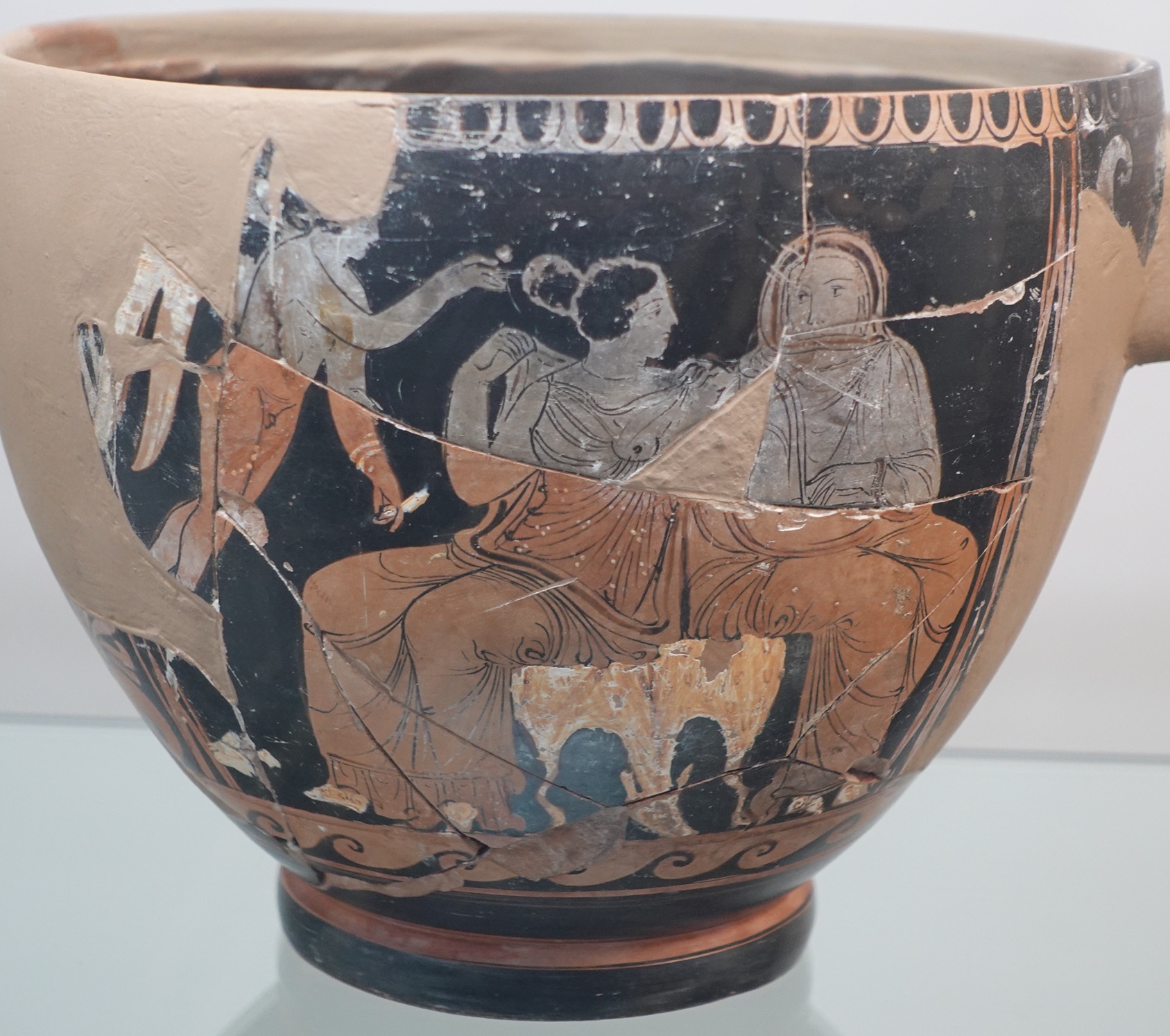
Archeological Museum, Ragusa. This piece demonstrates how much patience, skill and dedication has gone into restoring shards of pottery to their original form.
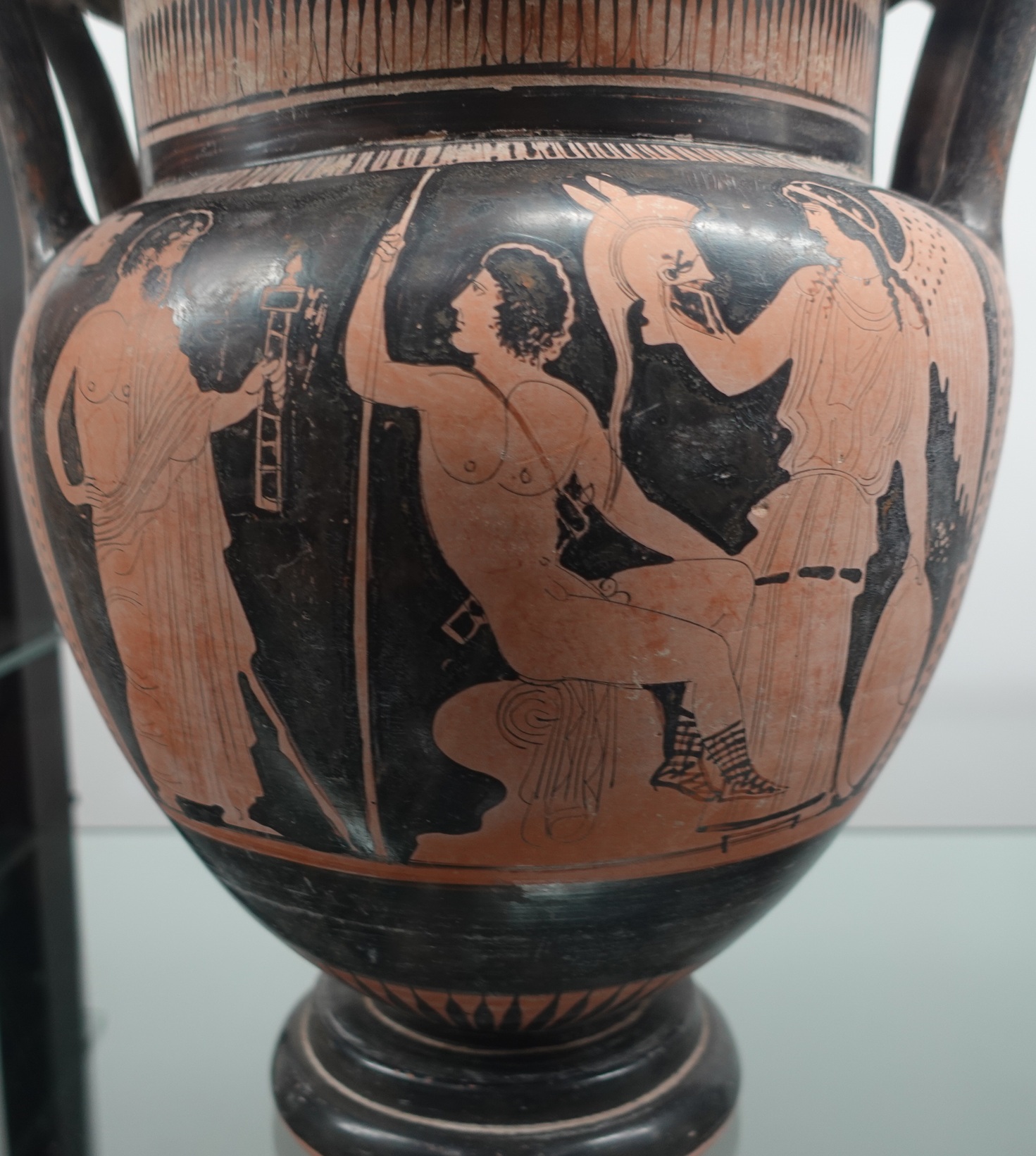
Archeological Museum, Ragusa. Several vases showed scenes of women, winged in this case, preparing their hero men for war.
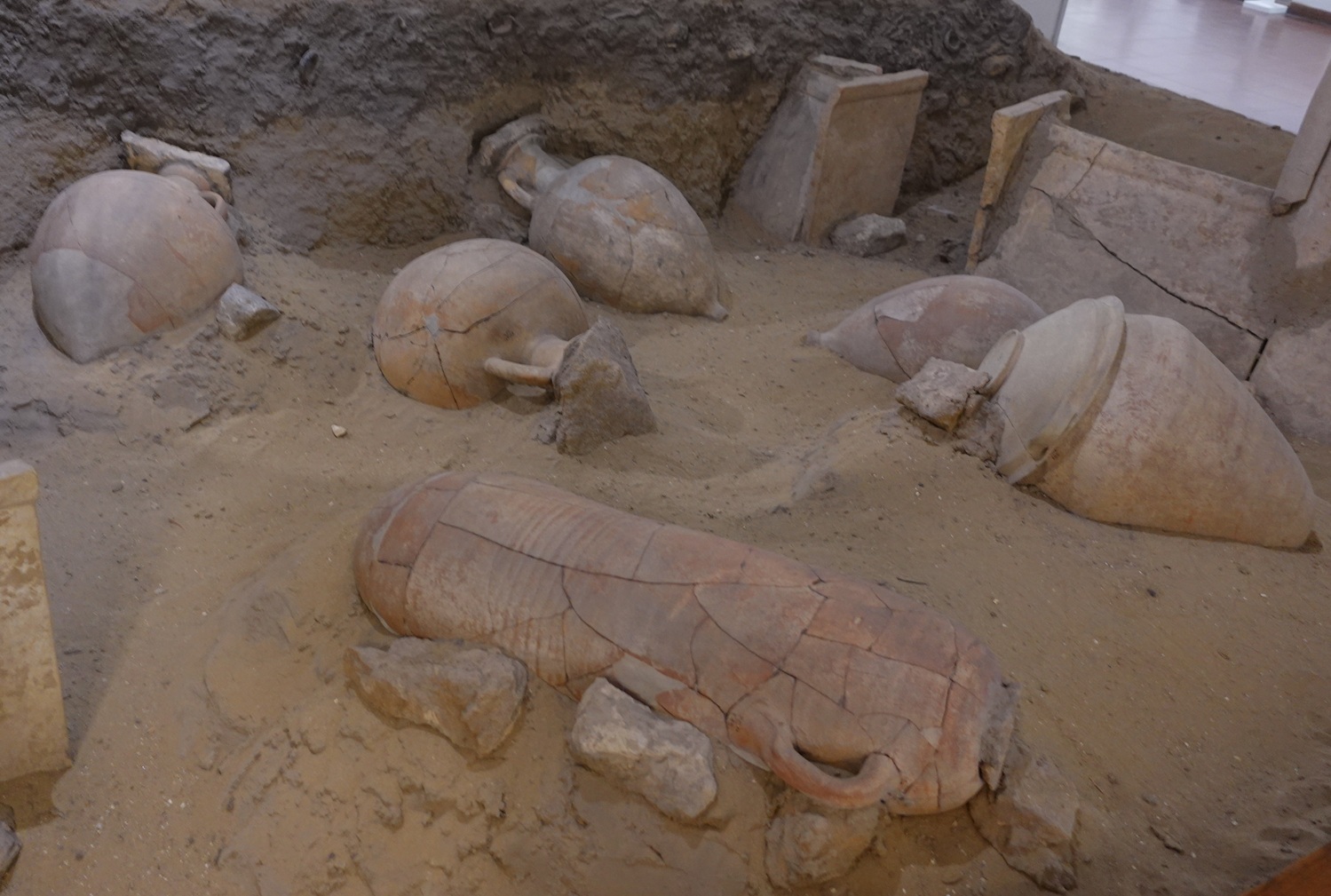
The Santuary of Athena Polás. The museum makes efforts to demonstrate not only what has been found, but the context in which the discoveries were made.
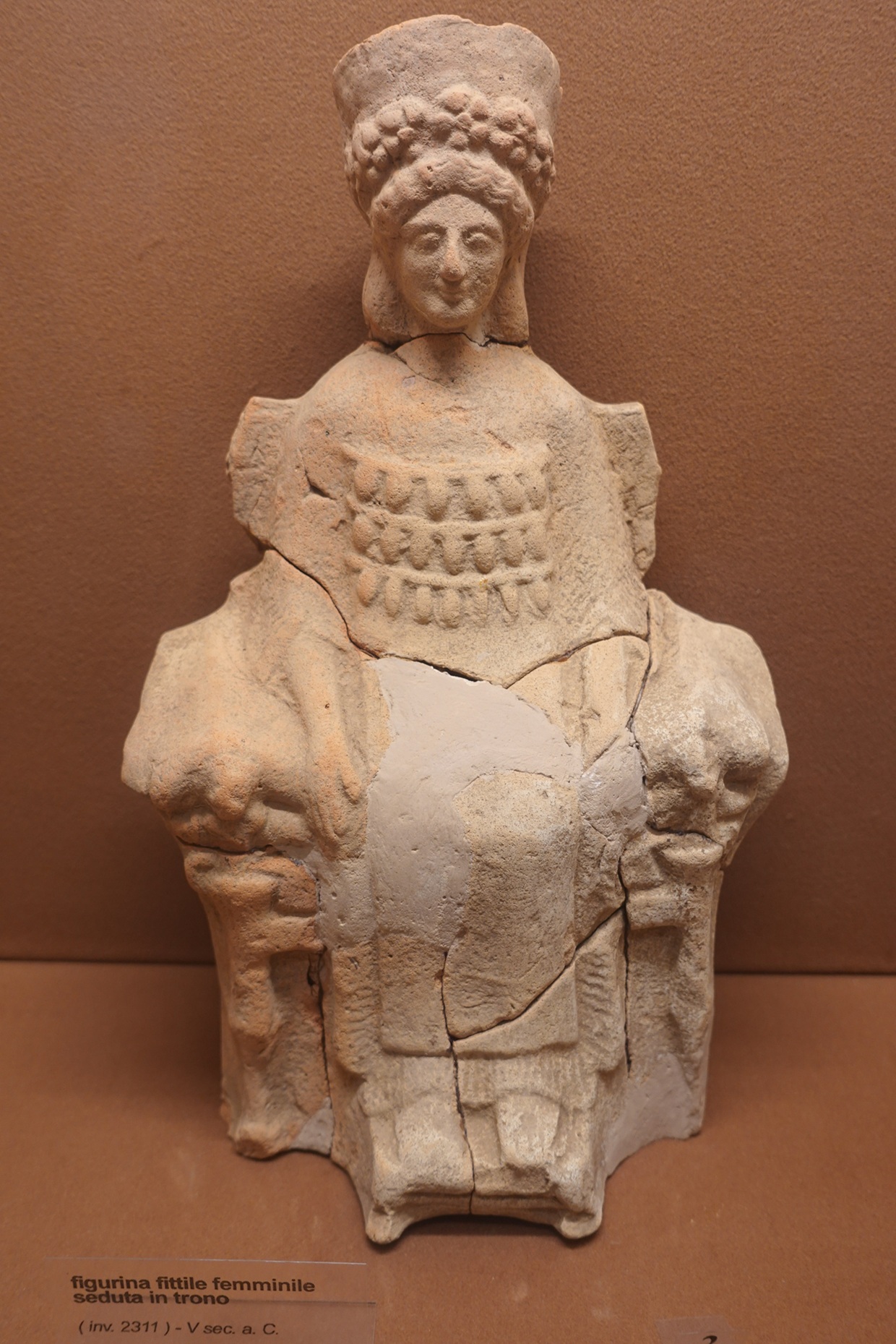
Female figure seated on a throne. 5th century BCE.
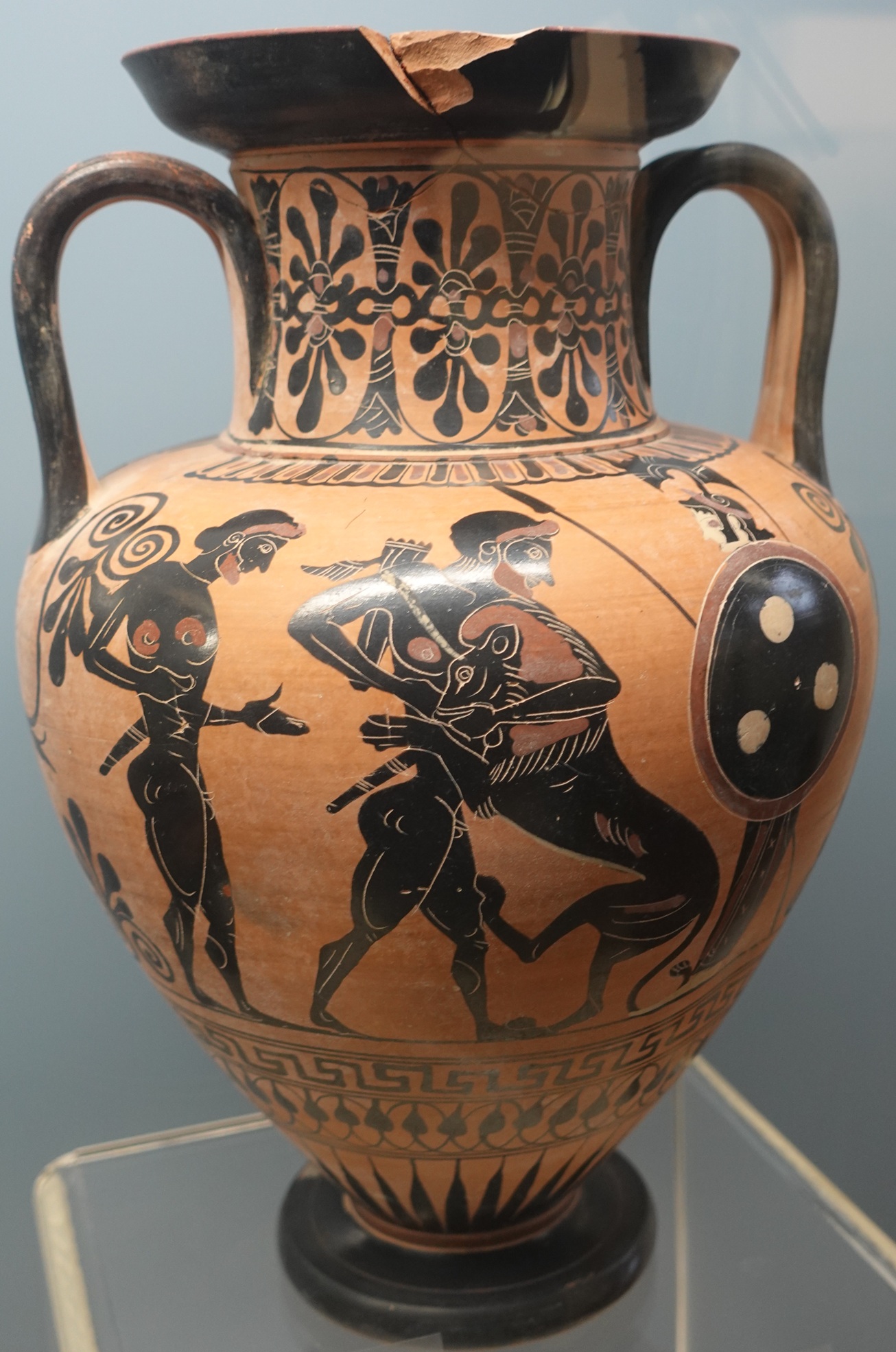
The legend of Heracles (Ercolano, or Hercules, to the Romans) involves twelve labours. Here he is killing the Nemean lion, whose skin becomes one of his symbols, the other being the club.
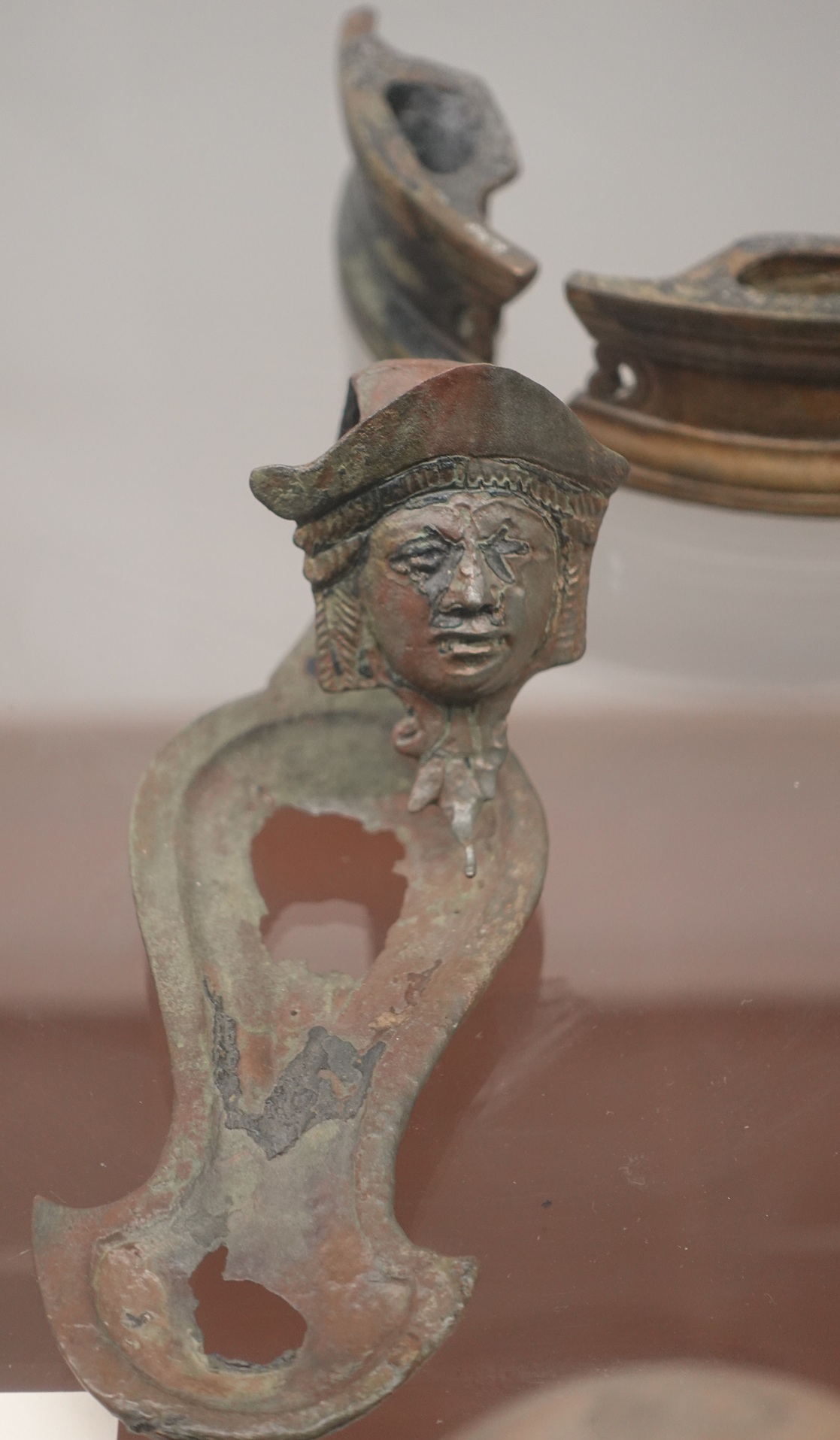
Bronze lamp, finely sculpted.
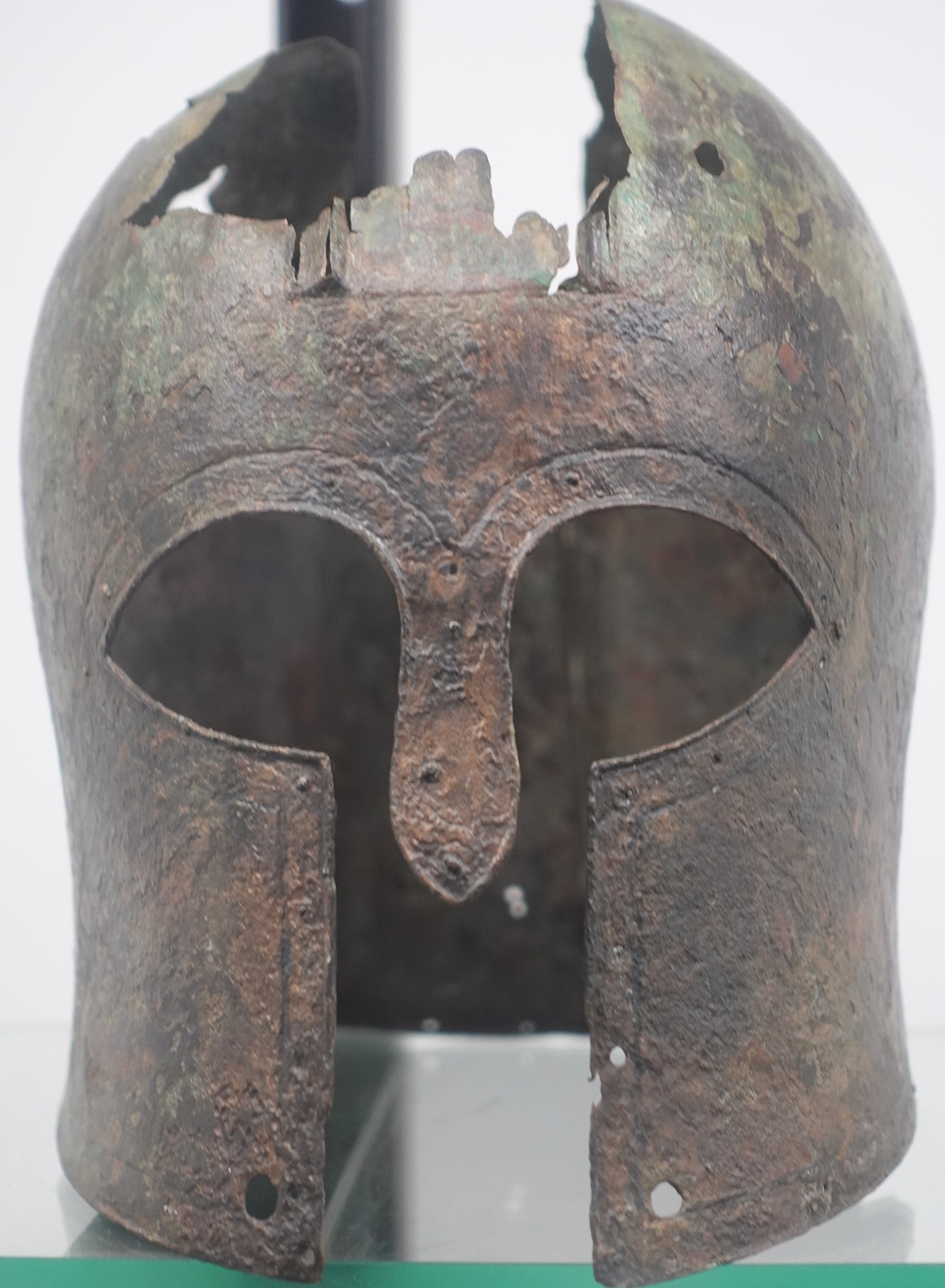
A beautifully preserved Greek helmet, c. 500 BCE.
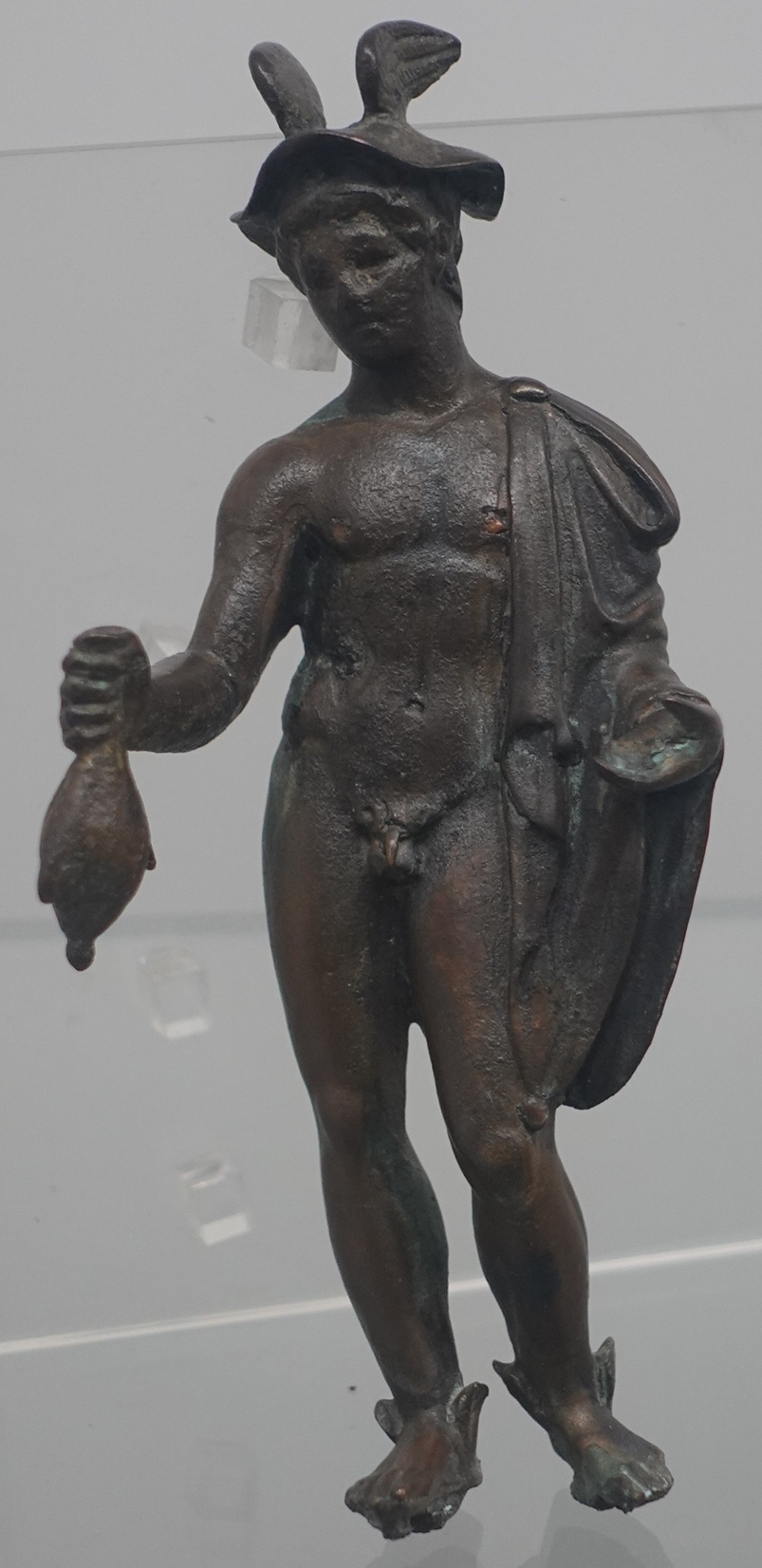
Archeological Museum, Ragusa.
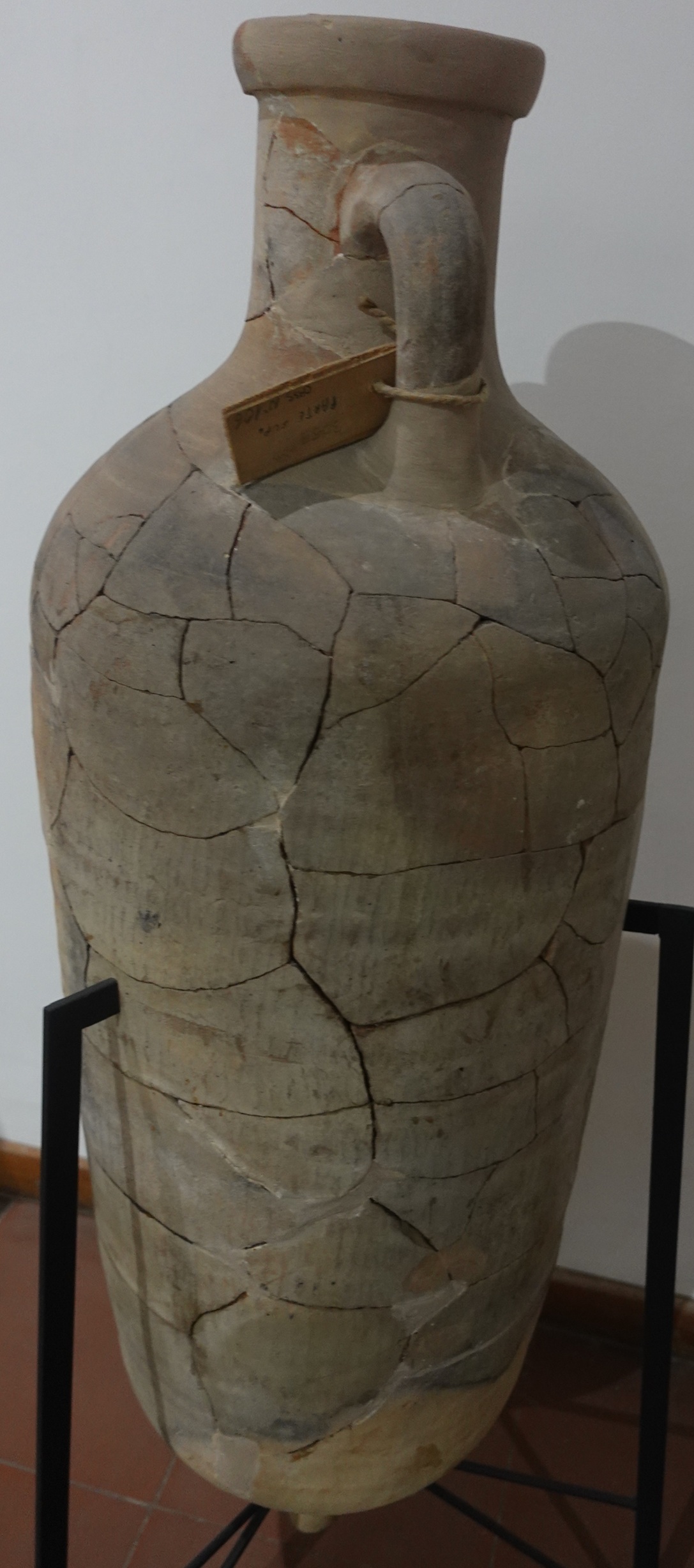
Ship’s amphora, for transporting oil, wine or drinking water.
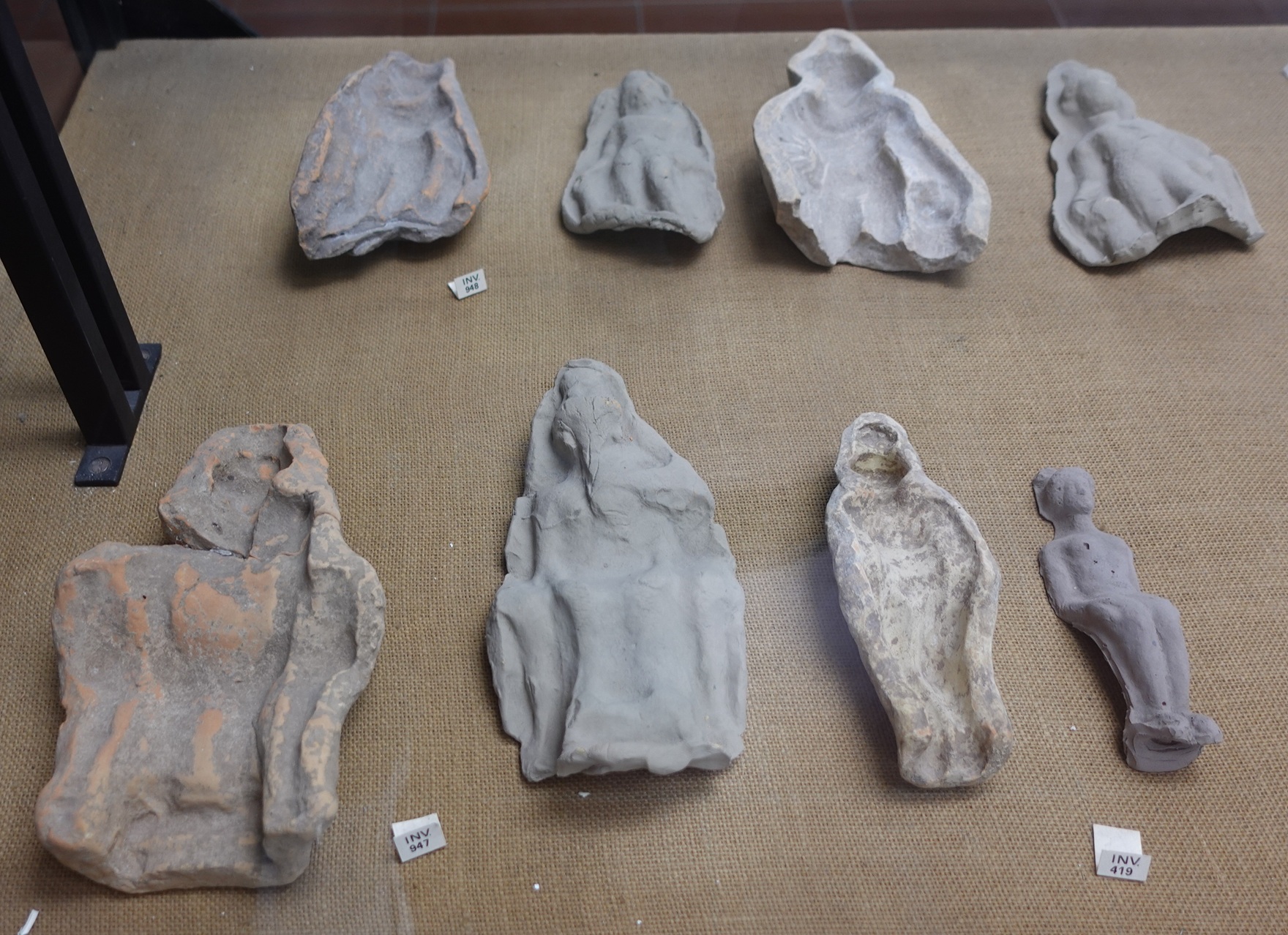
Clay moulds, used for series production of figurines.
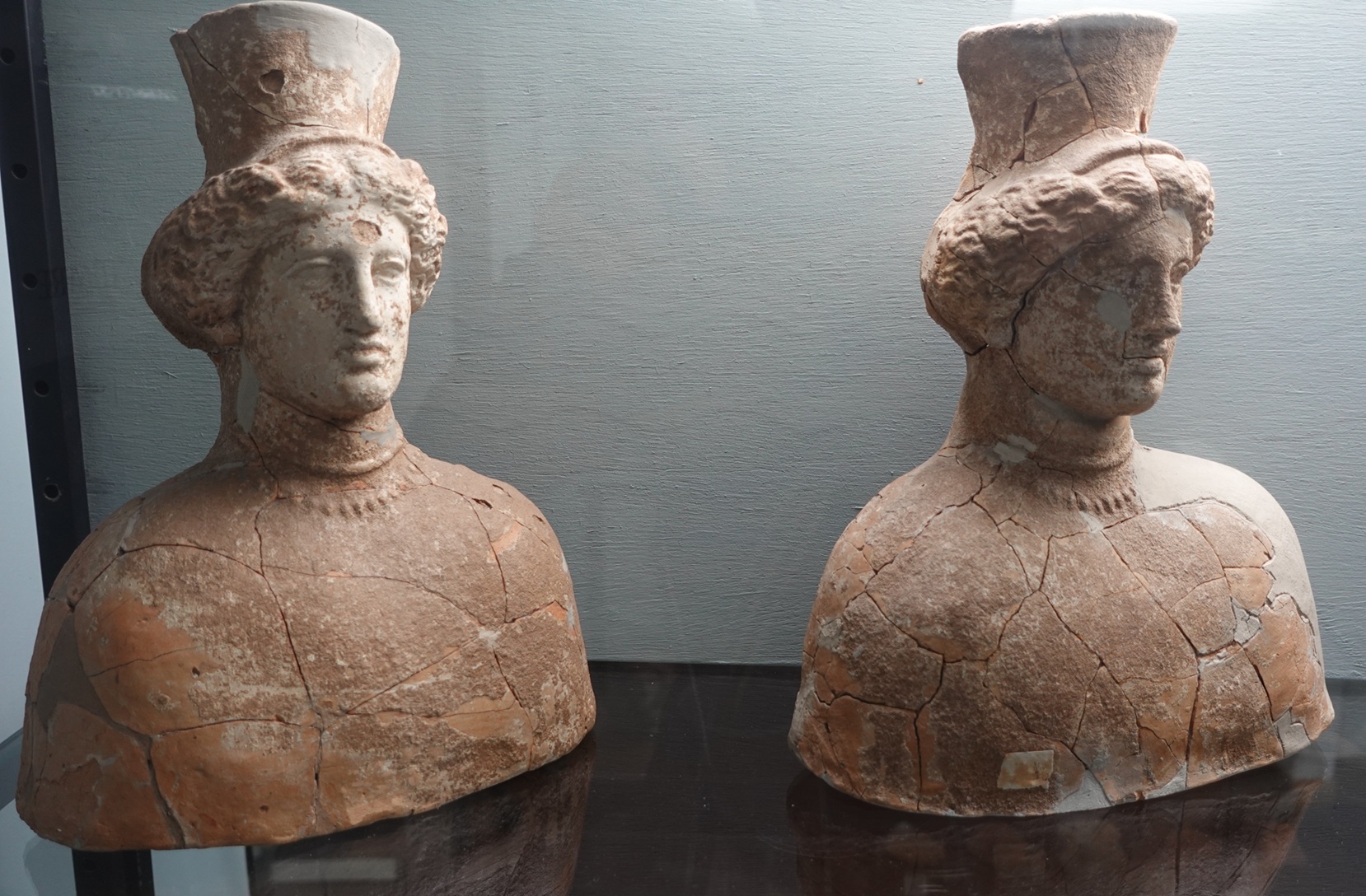
Busts made in series.
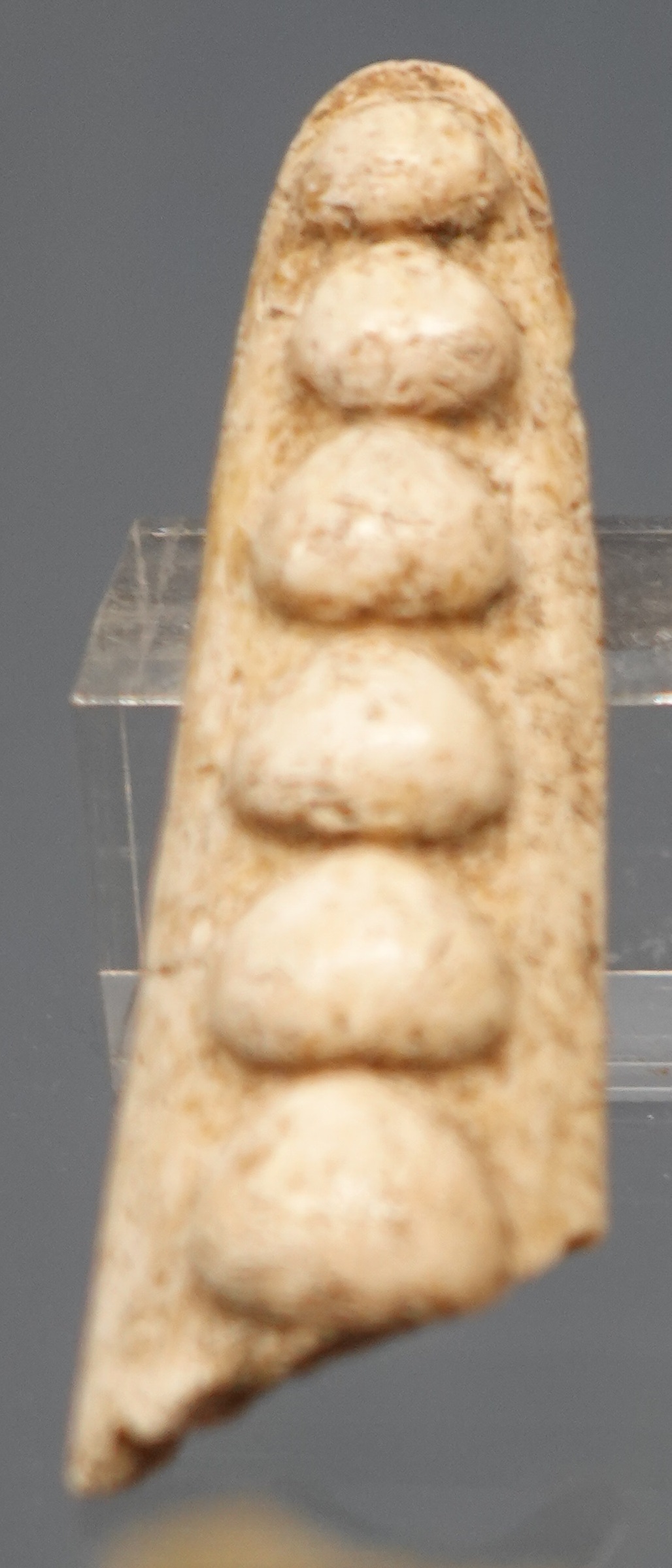
Osso a globuli. A rare counting stick, made from bone. This museum boasts two of these, and there have been only 35 ever found.
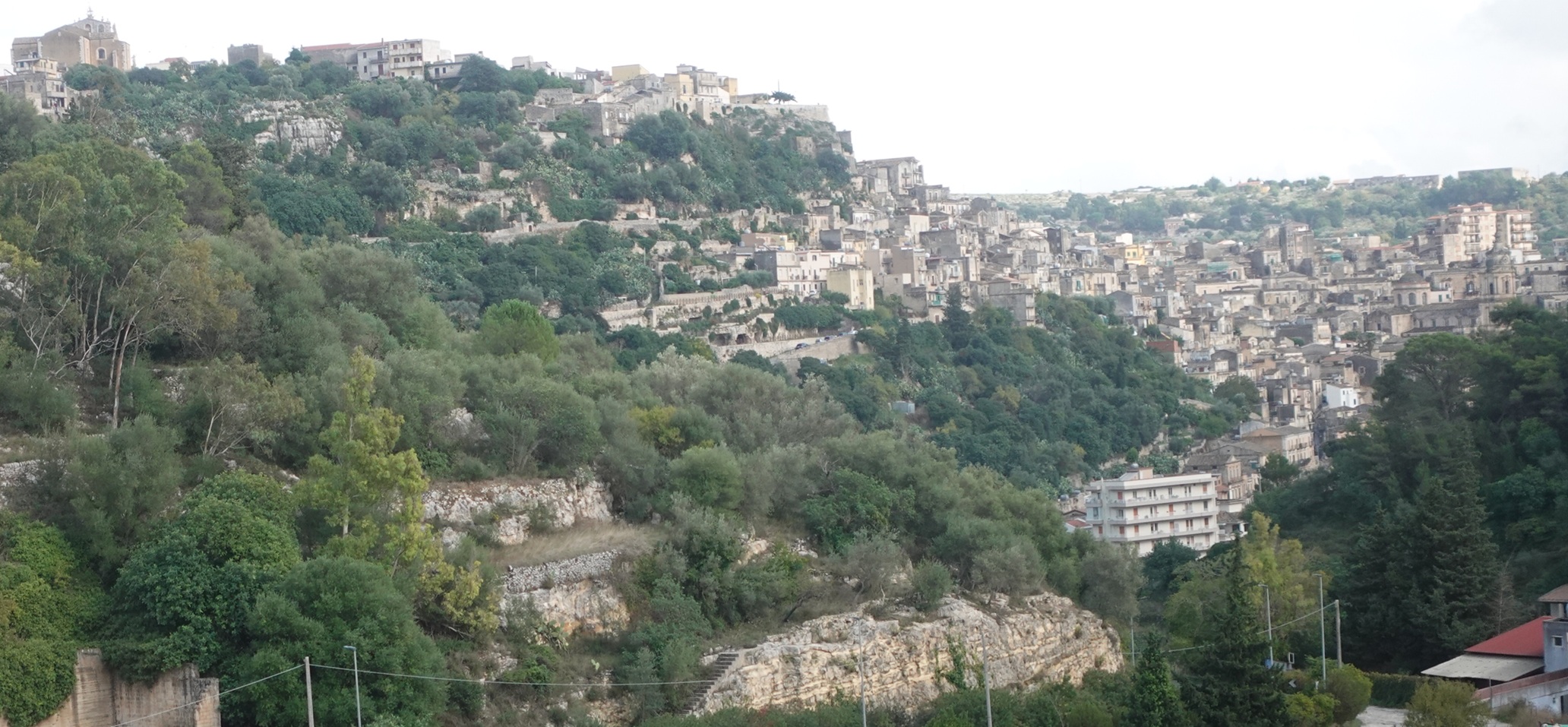
View from the bus as we leave Ragusa.
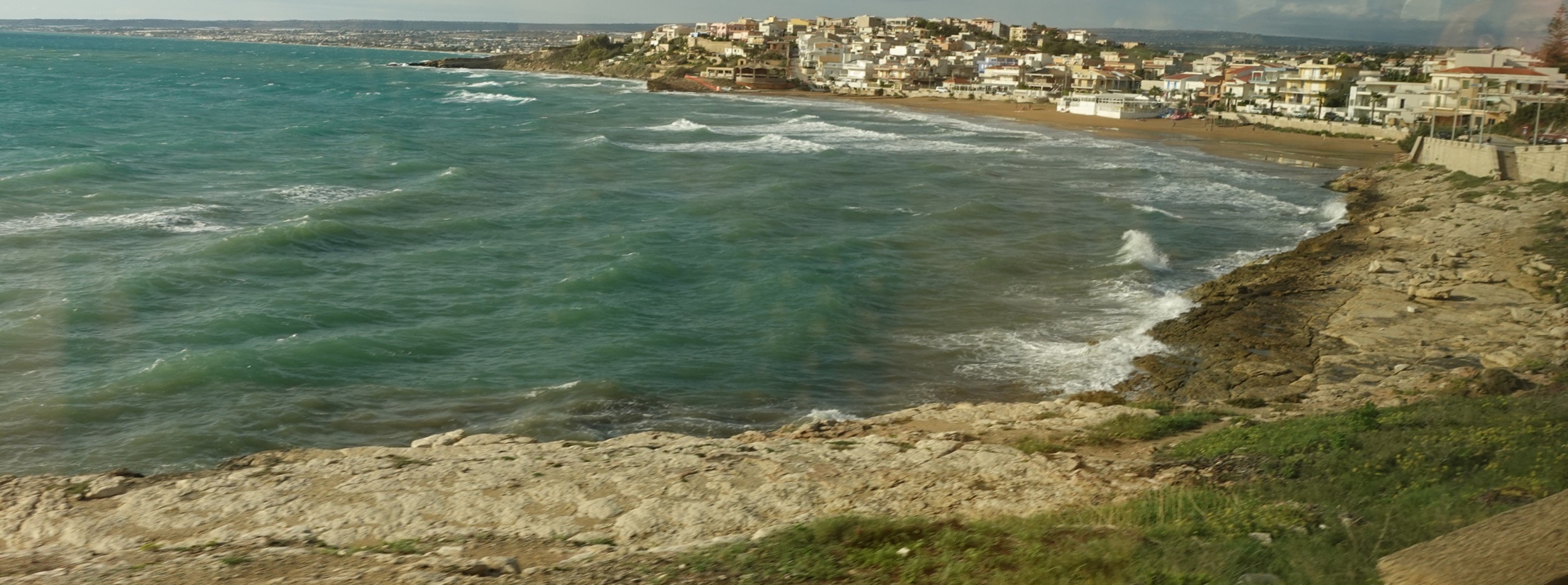
First view of the sea, en route to Siracusa.
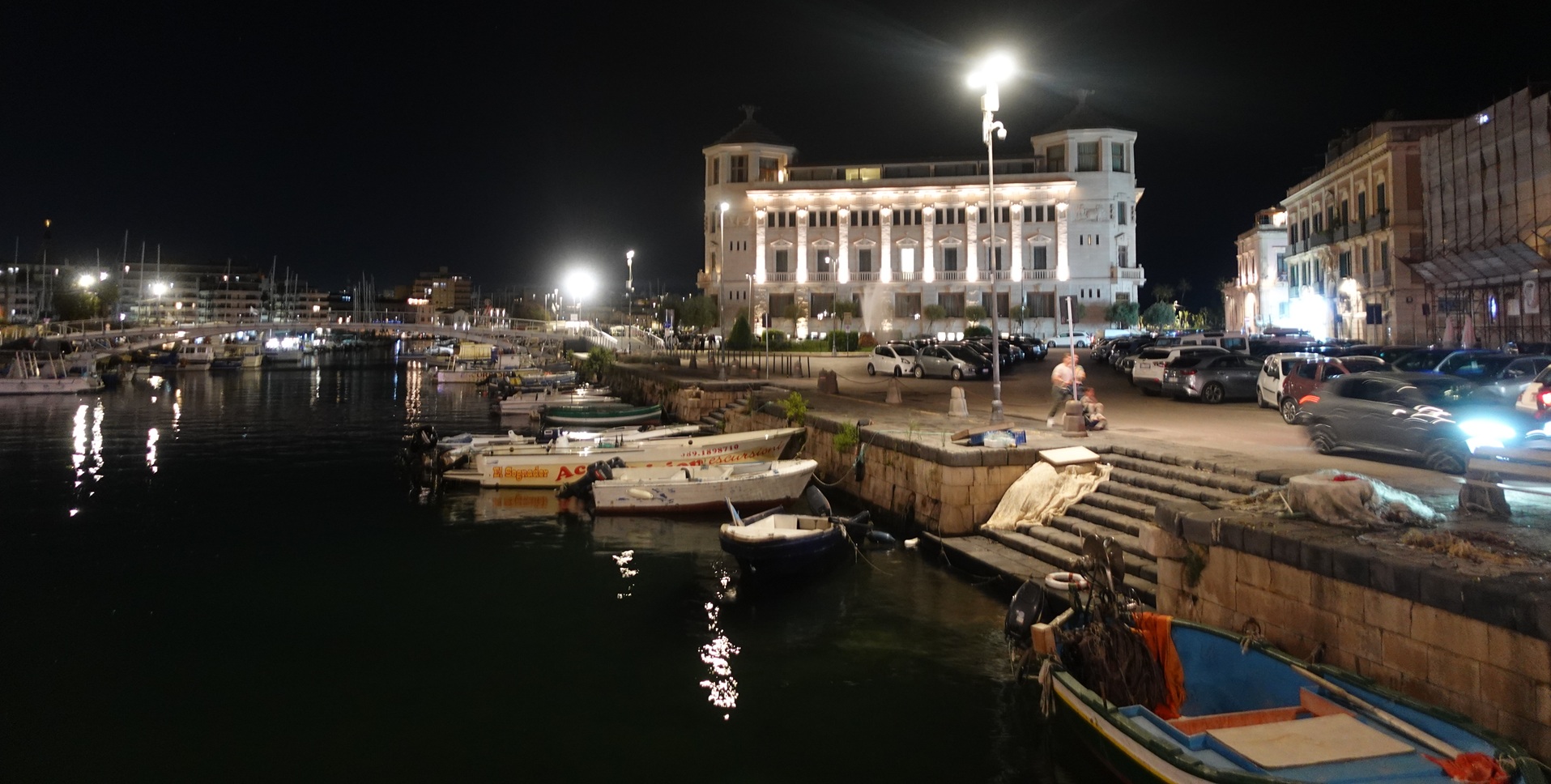
Syracuse harbour. Legend has it that Archimedes (c. 285 – 212 BCE) invented super weapons, such as a grappling claw and death ray, to defend Syracuse against the besieging Romans. Archimedes was killed in the downfall of the city, which was a bloodbath. Typical Romans!
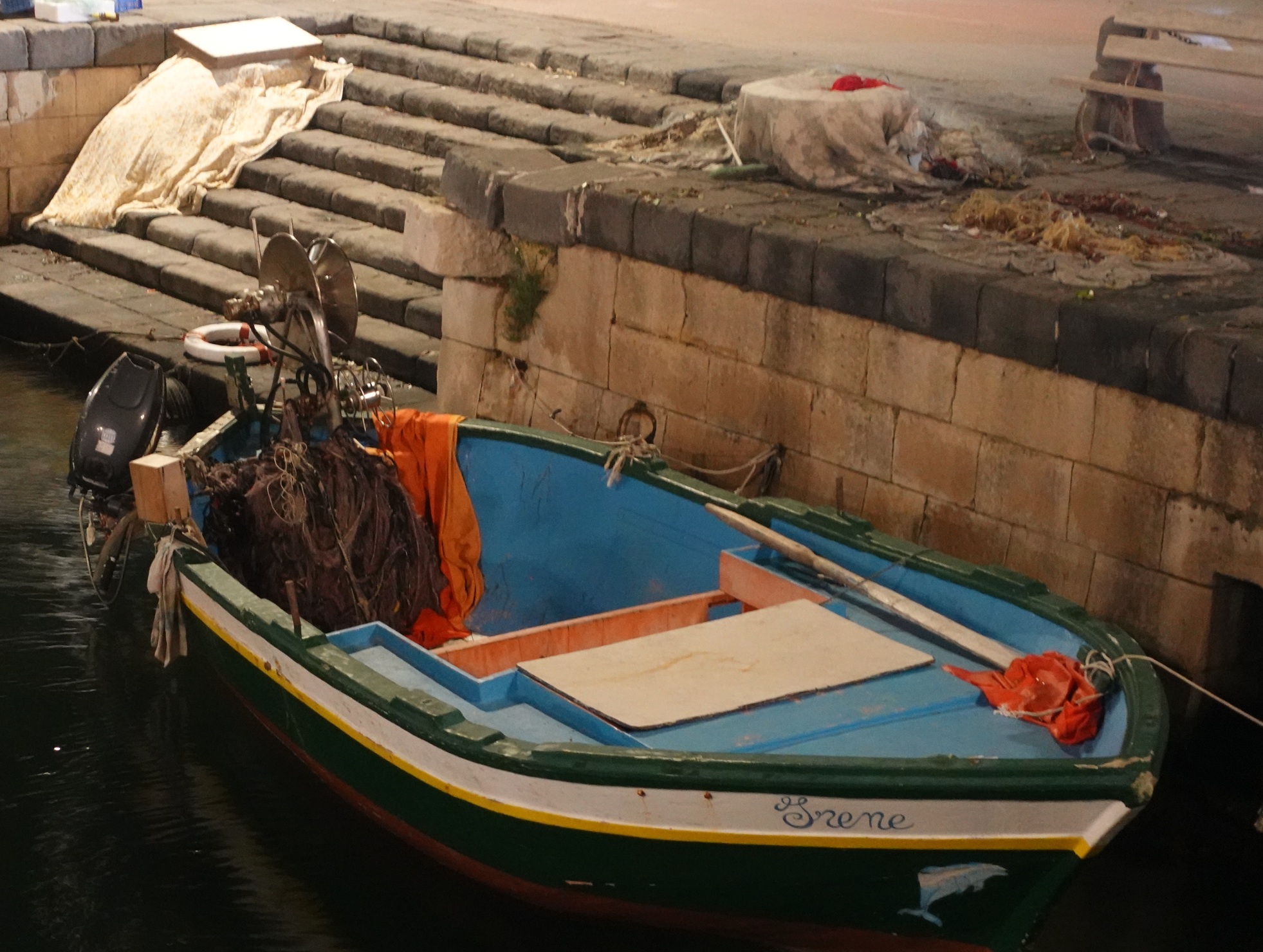
Syracuse harbour